



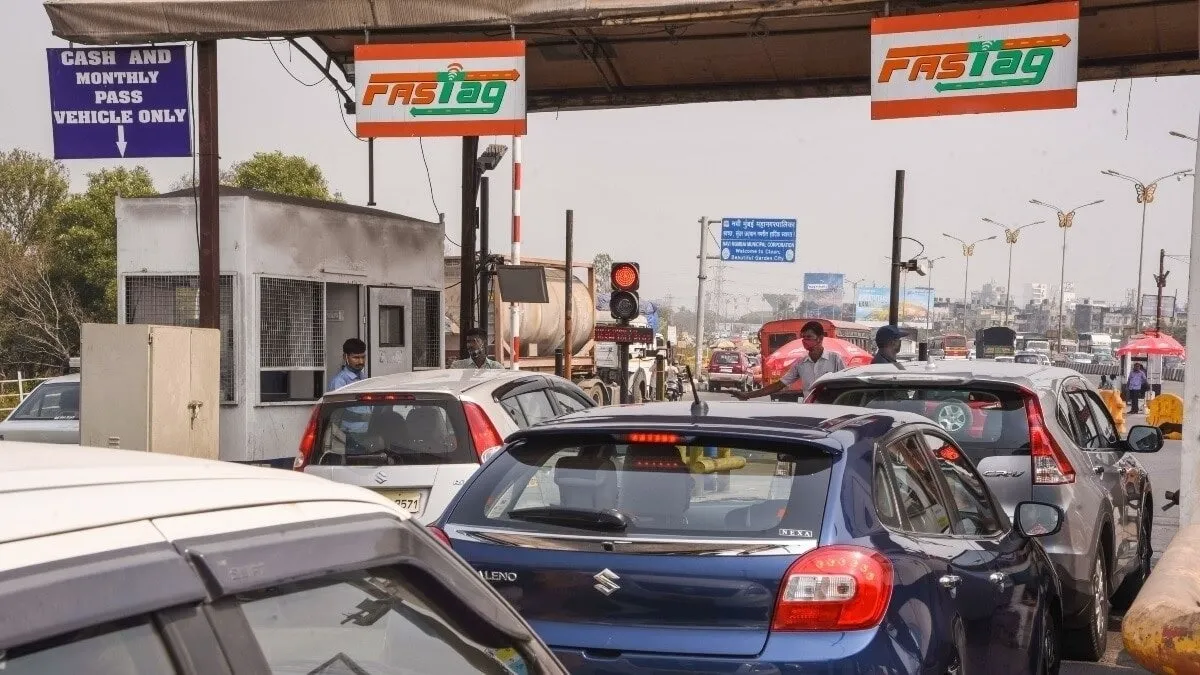
The introduction of a barrier-less tolling system in India marks a significant shift towards automated and seamless travel on national highways. Starting from December 1, 2026, vehicles will pass through toll plazas without stopping, a game-changer for commuters.
Nitin Gadkari, the Minister for Road Transport and Highways, emphasized the aim to eliminate long queues at toll booths. This system will utilize AI cameras and sensors to scan vehicle number plates and FASTags. The result? Faster travel times and reduced congestion.
Key features of the new system:
- Vehicles can pass through without stopping at toll plazas.
- Toll payments will be automatically deducted from linked bank accounts or digital wallets.
- Cash payments will gradually be phased out, making FASTag or UPI mandatory.
This transition to cashless highways isn’t just about convenience; it’s part of a broader vision to reduce human intervention in toll collection. Drivers will need to ensure their FASTag is active and linked to their bank accounts to avoid penalties for insufficient balance or lack of valid FASTags.
In case of technical failures, QR codes will be available for UPI payments. However, it’s important to note that entry to toll plazas may be restricted for repeated violations of these new rules.
The government aims for a completely cashless highway network, which could dramatically change how people perceive road travel in India. Yet, as with any technological shift, challenges are likely to arise during implementation. Will all drivers adapt smoothly?