



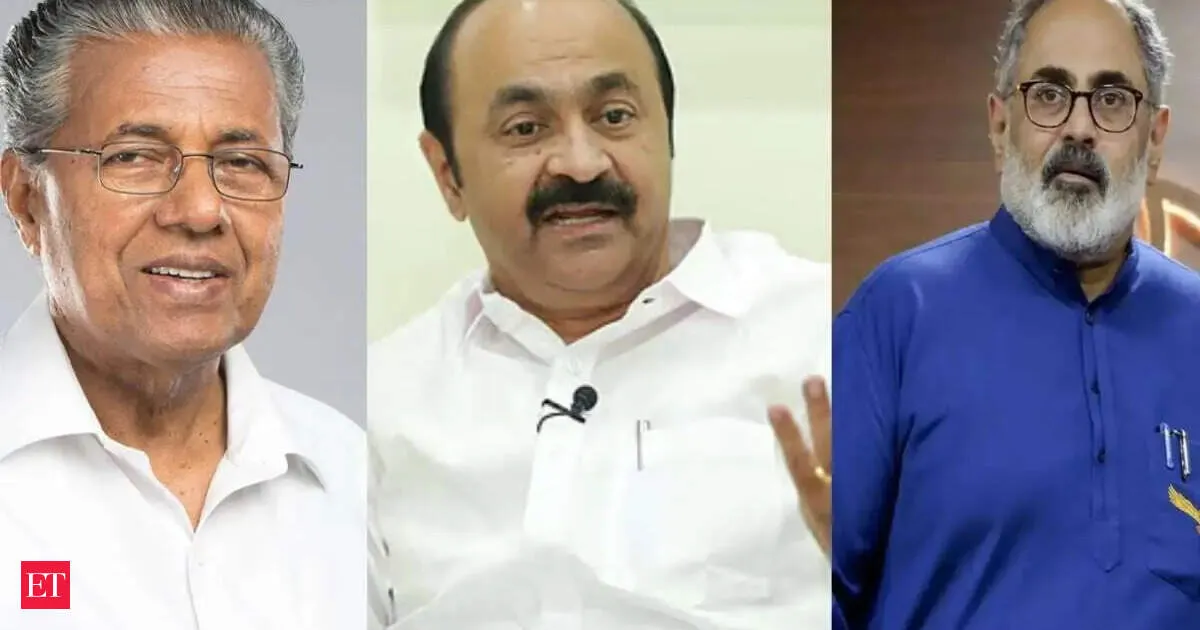
The UDF’s overwhelming victory in the Kerala Assembly elections marks a historic shift, ending a decade of LDF dominance. The United Democratic Front (UDF) clinched an impressive 102 out of 140 seats, while the Left Democratic Front (LDF) saw its seat count plummet to just 35.
This result is striking, particularly when we consider the context. Just two years ago, in the 2021 elections, the LDF retained power with 99 seats—an impressive feat that seemed to solidify their stronghold on Kerala politics. Now, however, the narrative has changed dramatically.
Key statistics from the election:
- The UDF secured 102 seats, a significant gain for the Congress-led coalition.
- The LDF suffered a major loss, dropping from 62 seats to only 26 for the Communist Party of India (Marxist).
- The Indian National Congress improved its standing by winning 63 seats.
- The Indian Union Muslim League contributed significantly with an additional 22 seats.
- The Bharatiya Janata Party also saw improvement, winning 3 seats.
Pinarayi Vijayan, who served as Chief Minister during this tumultuous period, did win his constituency. But his cabinet was not as fortunate; a staggering 13 ministers lost their seats. This raises questions about the effectiveness of their governance and how it resonated with voters. Was it dissatisfaction with policies? Or perhaps a broader shift in voter sentiment?
One quote stands out: “Pinarayi’s progress card, it turns out, was not signed by the electorate.” It encapsulates the disconnect that may have developed between the ruling party and its constituents. The LDF’s past successes now seem like distant memories as they grapple with this unexpected defeat.
Implications for the future:
- This election marks the first time in fifty years that no state in India will have a Left government.
- The UDF’s strategy appears to have effectively capitalized on voter discontent.
- The political landscape in Kerala may be shifting towards more competitive dynamics among parties.
As we look ahead, what does this mean for both coalitions? Will the UDF maintain its momentum while addressing voter concerns? And how will the LDF respond to reclaim its influence? The answers remain uncertain but are crucial for shaping Kerala’s political future.