




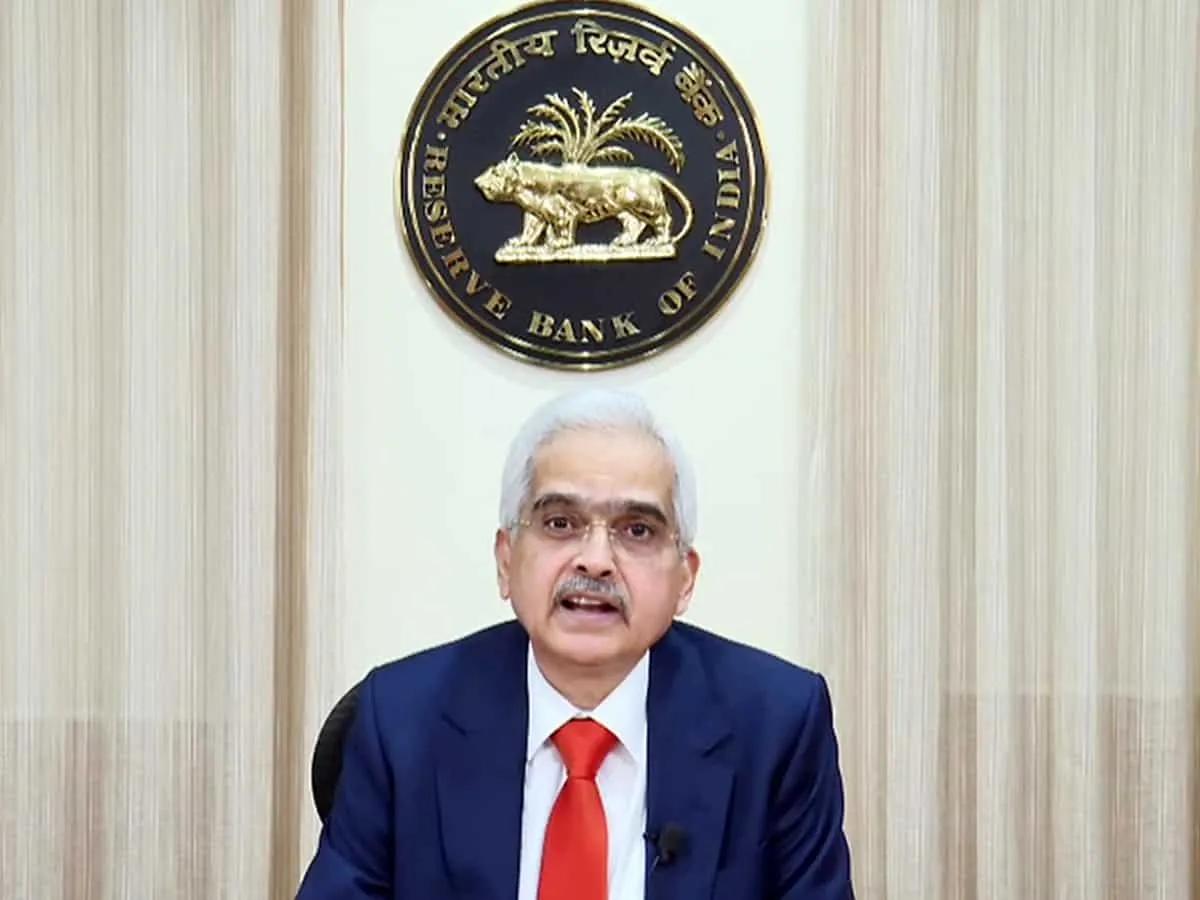
On May 3, 2026, Rohit Jain was appointed as the new Deputy Governor of the Reserve Bank of India (RBI), marking a pivotal shift towards internal continuity and experienced leadership. This appointment comes at a time when the RBI faces evolving economic challenges.
Jain, who has nearly 30 years of service within the central bank, will oversee critical functions including financial markets regulation and foreign exchange. His extensive background positions him well to tackle the complexities of today’s financial environment.
This decision to promote from within reflects RBI’s strategy to balance internal talent with external perspectives in its leadership team. The RBI aims for stability and experienced governance, especially as it navigates uncertain economic waters.
Rohit Jain takes over responsibilities from T Rabi Sankar, who previously held this position. The transition underscores a commitment to continuity in leadership—an essential factor for maintaining economic stability.
The appointment is for a term of three years, indicating a long-term vision for RBI’s policies moving forward. Officials believe that Jain’s experience will strengthen the bank’s capacity to manage complex financial operations effectively.
As the RBI continues to adapt its policies in response to market dynamics, the implications of this leadership change may resonate throughout India’s financial landscape. Stakeholders are watching closely, curious about how this internal shift will influence regulatory approaches and economic strategies.
RBI’s focus on nurturing internal talent is not merely about preserving institutional knowledge; it also signals confidence in its existing workforce’s ability to lead during turbulent times. This approach could potentially reshape how central banks operate in emerging economies.
The next few months will be crucial as Jain settles into his new role and begins implementing strategies that reflect both his vision and the institution’s goals. The financial markets are likely eager for insights into how his leadership will affect foreign exchange dynamics and regulatory frameworks.