



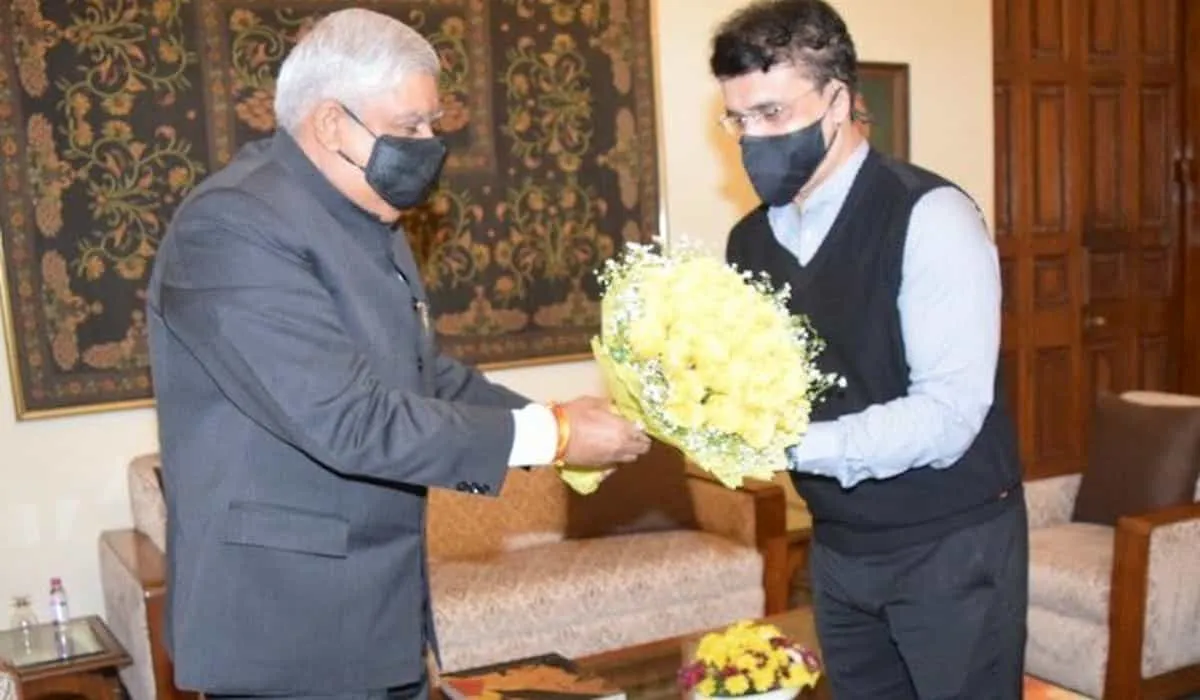
As West Bengal approaches its crucial Assembly elections on April 29, 2026, Sourav Ganguly has made a striking observation: even revered figures cannot predict the election’s outcome. This sentiment resonates deeply in a state where political tides shift rapidly.
Polling for the 294-member Assembly took place in two phases, with the first phase on April 23 and the second on April 29. By 11 AM on April 29, voter turnout stood at a notable 39.97%. Such figures often hint at potential outcomes but remain ambiguous.
The main contest is between the ruling Trinamool Congress (TMC) and the Bharatiya Janata Party (BJP). According to major exit polls, there’s an indication that the BJP could be gaining ground. Today’s Chanakya predicted that BJP might secure around 192 seats, while TMC could land about 100 seats. But these predictions are just numbers—far from certainties.
Ganguly remarked on this unpredictability, stating, “How can I answer such a question? Only on Monday, when the ballot box opens, will we all know the answer.” His words reflect a broader truth: elections can be swayed by countless factors, from last-minute voter decisions to unexpected events.
This election cycle has been marked by intense campaigning and heightened emotions. The stakes are high. With an electorate of approximately 3.21 crore voters, every vote counts. The atmosphere is charged with anticipation.
As we await the counting of votes scheduled for May 4, uncertainties linger. Will exit polls hold true? Or will they crumble under real-world dynamics? The political landscape in West Bengal remains as unpredictable as ever.
In this context, Ganguly’s insights serve as a reminder: no matter how much data or analysis we possess, some outcomes lie beyond our grasp. The unfolding drama of these elections is not just about numbers; it’s about people’s choices and voices.