




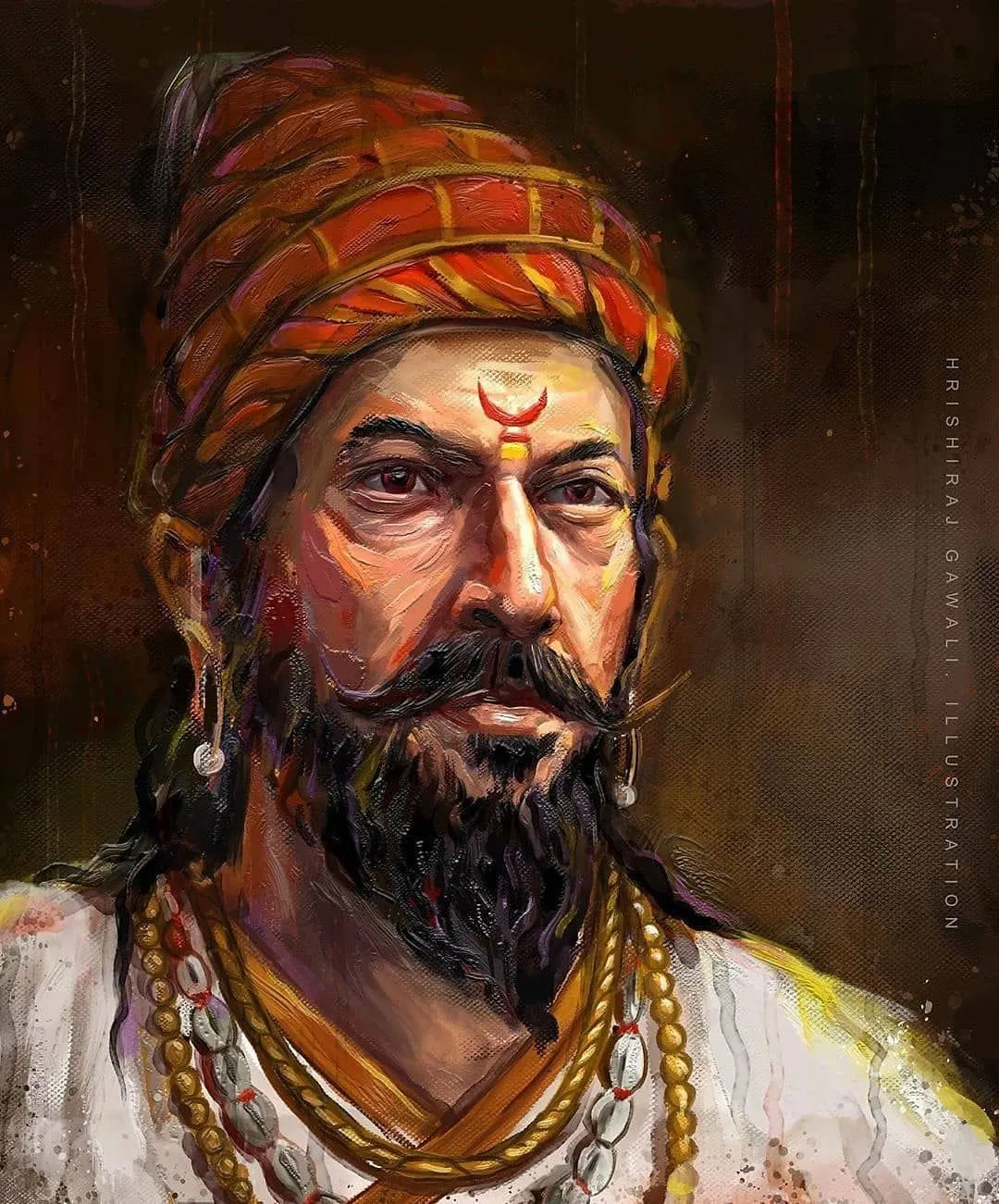
The film Raja Shivaji has ignited legal controversy just before its release in Maharashtra, raising questions about how historical figures are portrayed on screen. Directed by Riteish Deshmukh, this historical drama chronicles the journey of Shivaji Shahaji Bhonsle into Chhatrapati Shivaji Maharaj.
One of the key issues surrounding the film is its title. The Bombay High Court recently dismissed a petition claiming that the title was derogatory. This decision highlights the sensitivities involved in representing a figure as significant as Shivaji, who is revered for establishing Hindavi Swaraj against the Mughal Empire and Deccan Sultanate.
Key facts about the film:
- The film features a runtime of 195 minutes, which allows for an expansive portrayal of its themes.
- Shivaji’s main adversary in the narrative is Afzal Khan, representing the brutal opposition he faced.
- Vidya Balan plays the role of an Adlishahi queen, adding depth to the narrative.
- The screenplay is co-written by Riteish Deshmukh alongside Jaideep Yadav and Prajakt Deshmukh.
- The film emphasizes Shivaji’s religious bent and showcases saffron flags over his capital.
Critics have described Raja Shivaji as a “studious, plodding affair”—a reflection of its ambitious attempt to delve into complex historical narratives. Yet, it also portrays the harsh realities of power struggles during a time when legitimized anarchy prevailed in Maharashtra.
As audiences prepare for its release, they must grapple with how this film aligns with contemporary interpretations of history. Does it serve to glorify a past that some may prefer to forget? Or does it offer a necessary exploration of identity and sovereignty?