




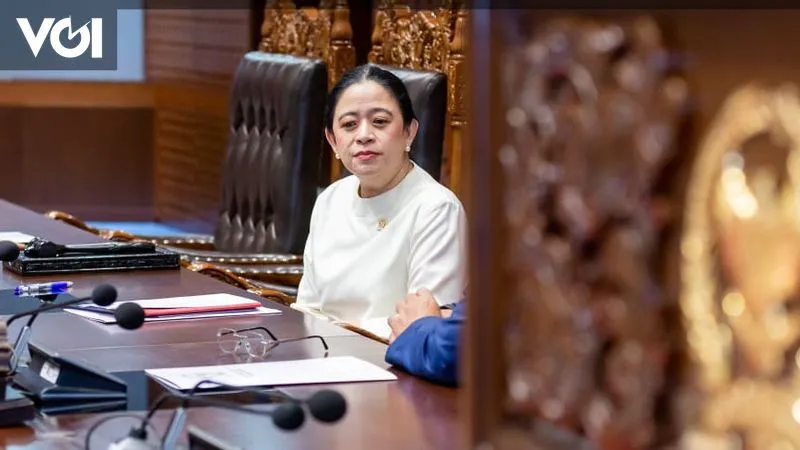
Puan Maharani’s strong emphasis on worker protections during May Day 2026 in Jakarta signals a critical moment for labor rights in Indonesia. She raised alarms about potential layoffs affecting 9,000 workers, urging the government to act swiftly.
On this significant day, workers presented 11 demands, one of which was the outright elimination of outsourcing. This call reflects growing frustration among employees who feel increasingly vulnerable in an unstable job market.
Puan highlighted that achieving the ambitious target of creating 19 million jobs over five years hinges on strengthening the industrial foundation. Without robust employment policies, the future looks bleak for many.
She also expressed support for a dedicated workforce to tackle layoffs, but with a caveat: work should not cease until employees are officially let go. This perspective underscores the urgency of proactive measures rather than reactive ones.
The recent implementation of the seventh version of Permenaker regarding outsourcing has sparked discussions. While Puan welcomes these regulations, she insists on establishing clear limits on what types of outsourcing should be permitted.
Puan didn’t shy away from addressing the plight of digital transport workers either. Their income and job security are far from marginal issues; they are central to discussions about equitable treatment across all labor sectors.
A tragic incident—a train accident in East Bekasi—resulted in several workers’ deaths as they returned home. Puan stressed that ensuring safe transportation and quality facilities for workers’ families is a state responsibility that cannot be overlooked.
Her statements resonate deeply, especially as she affirmed that every worker, including domestic staff and online drivers, deserves equal protection under the law. This inclusive approach is critical in an era where job roles are diversifying rapidly.
The backdrop of these events is a growing recognition of worker rights in Indonesia. As discussions evolve around outsourcing regulations and worker protections, one must wonder: will these reforms materialize before more lives are affected?