




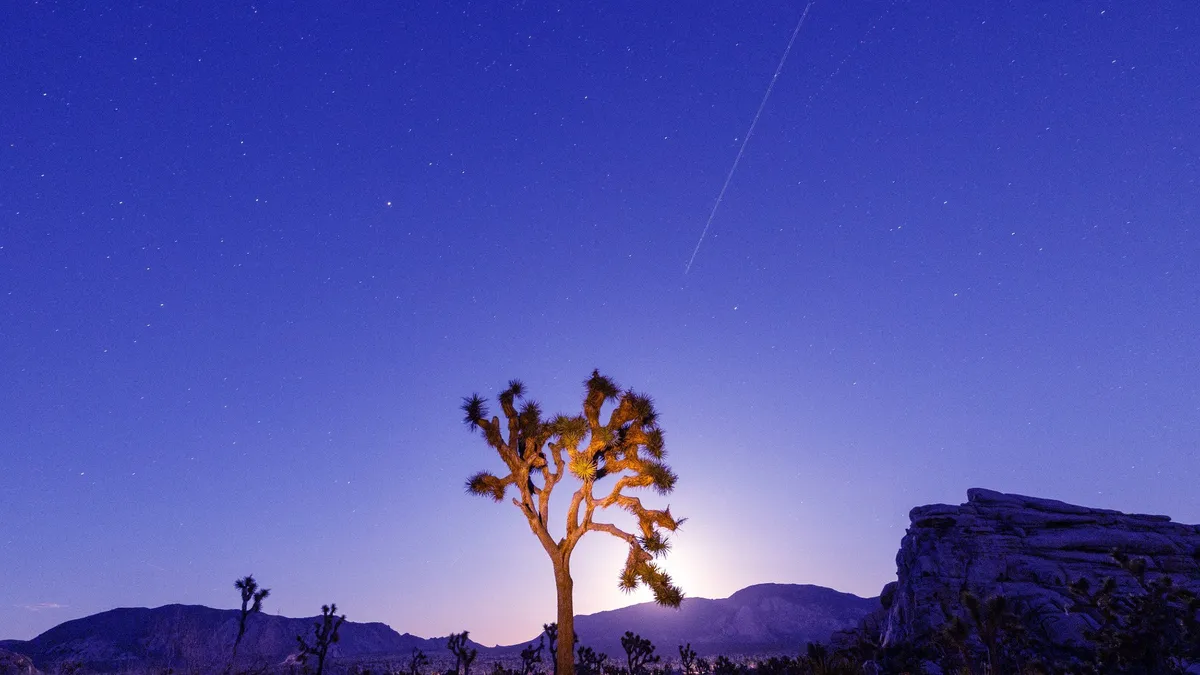
The Lyrid meteor shower is not just another celestial event; it’s a connection to our past—an ancient spectacle that has been observed for over 2,700 years. As it peaks from April 21 to April 22, stargazers in the Northern Hemisphere are treated to a dazzling display of fast and bright meteors.
These meteors originate from Comet C/1861 G1 Thatcher. Yes, that’s right—a comet! The particles shed by this comet enter Earth’s atmosphere at high speeds, creating those glowing trails we love to see. When conditions are right, observers might catch up to 15–20 meteors per hour in the UK alone. But during peak activity, some reports suggest that as many as 100 meteors could be visible per hour.
Interestingly, the Lyrids have been documented since 687 BC—making them among the oldest recorded meteor showers. Can you imagine? People thousands of years ago looked up at the same night sky and marveled at these streaks of light. They appear to radiate from the constellation Lyra, particularly near its brightest star, Vega.
For those eager to catch a glimpse of this cosmic event, timing is essential. The best viewing occurs after midnight when the radiant point rises higher in the sky. It takes about 30 minutes for your eyes to adjust to darkness; so plan accordingly if you want the full experience.
But there’s more than just aesthetics here. The Lyrids are known for their speed—often traveling at about 110,000 miles per hour. This rapid movement contributes to their brightness and the stunning trails they leave behind.
As we approach the peak viewing dates, anticipation builds. Will this year’s display be particularly spectacular? While we can look back on centuries of observations, each year brings its own unique conditions and surprises.
Details remain unconfirmed as we await reports from enthusiastic stargazers across the globe. What will they see? How many meteors will grace our skies this time? The uncertainty adds an intriguing layer to this celestial event.
So as we look up at the night sky during this brief window of opportunity, let’s remember that we’re part of something much larger than ourselves—a dance of cosmic debris that has captivated humanity for millennia.