



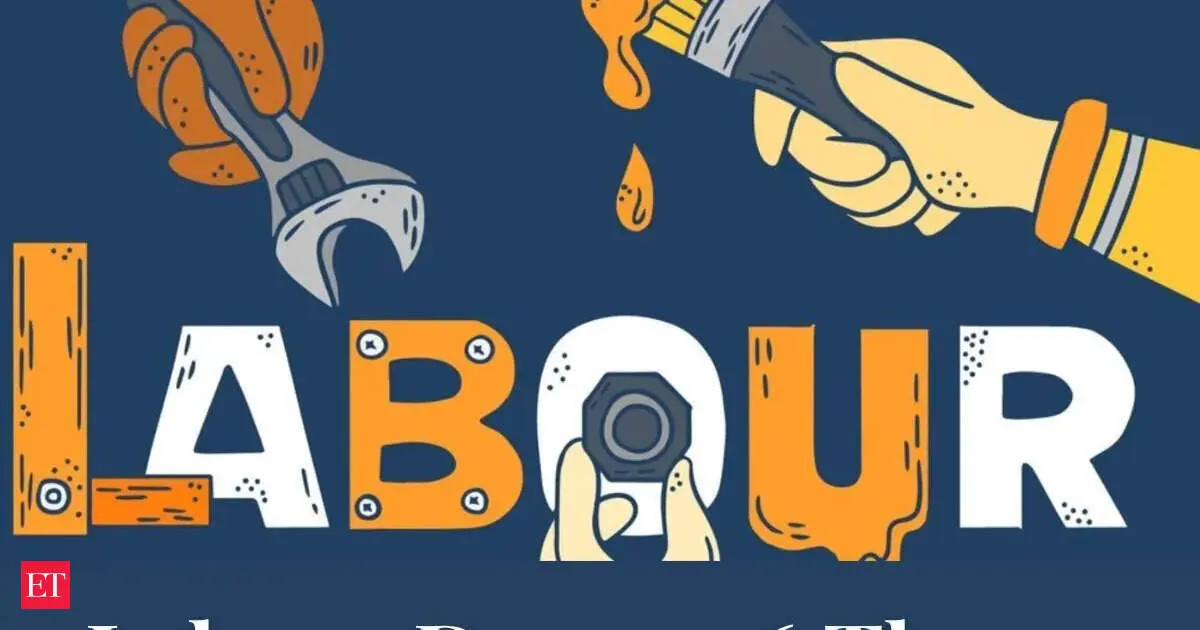
“Labour Day serves as a celebration of progress and a reminder of ongoing efforts for fairness and respect for all workers across India and globally.” This statement encapsulates the essence of Labour Day, especially as it approaches on May 1, 2026, when India will honor its workforce while highlighting modern challenges.
Labour Day, also known as International Workers’ Day, has deep roots in India’s labor history. The first celebration took place in Chennai back in 1923. It commemorates the global movement for the 8-hour workday and fair labor practices.
The upcoming Labour Day will not only celebrate achievements but also confront pressing issues like mental health in the workplace and social justice. These themes reflect a growing recognition of the complexities faced by today’s workforce, particularly in an era where burnout and inequality are rampant.
Key facts about Labour Day:
- Labour Day is celebrated every year on May 1 to honor workers’ contributions.
- This year, it falls on a Friday, providing an extended weekend for many.
- May 1 is also recognized as both Maharashtra Day and Gujarat Day.
The theme for Labour Day 2026 emphasizes not just the rights of workers but also their well-being. The International Labour Organization (ILO) has set this year’s focus on mental health, social justice, climate action, and addressing the digital divide. This is crucial as about 15% of working-age adults globally face psychosocial risks that can severely impact their productivity and quality of life.
Interestingly, while most banks will close for the holiday, many private businesses may remain operational. This reflects a nuanced reality—despite its significance, Labour Day does not enforce a complete shutdown across all sectors.
The first Labour Day celebration saw the red flag raised—a symbol of worker solidarity that still resonates today. Yet, as we look forward to May 1, one has to wonder: will this year’s observance lead to meaningful changes or remain merely symbolic?