



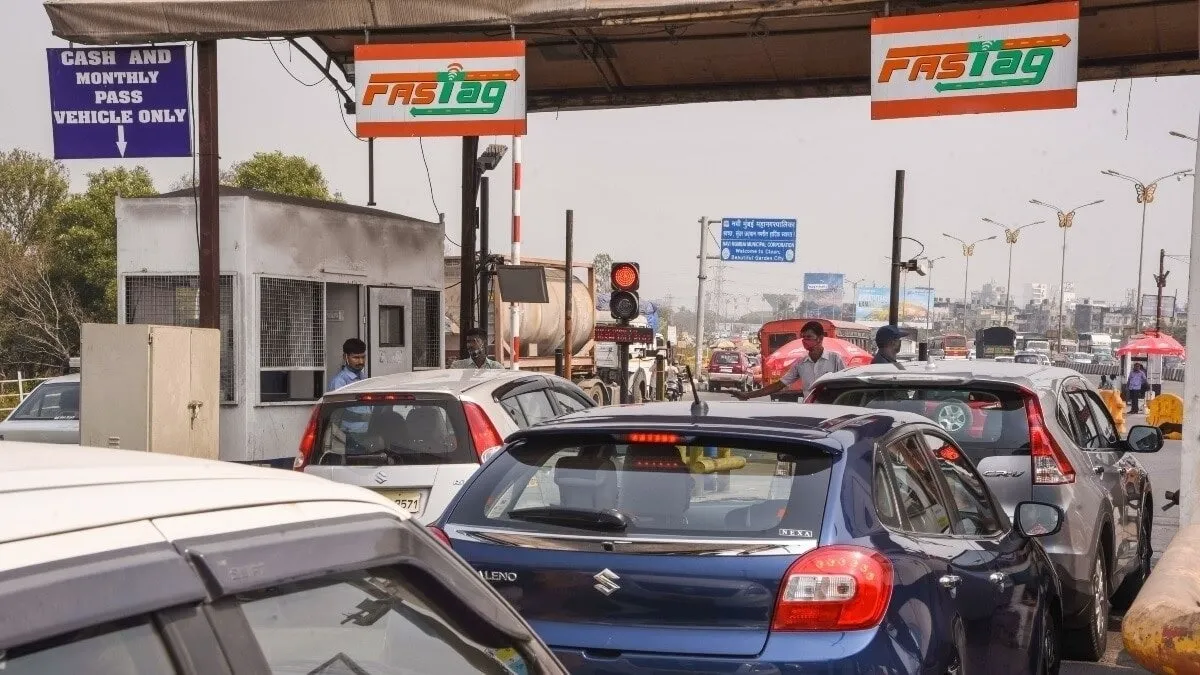
The introduction of a barrier-less tolling system in India marks a significant shift towards automated and seamless travel on national highways. Starting December 1, 2026, vehicles will no longer need to stop at toll plazas.
This change stems from the government’s push to modernize infrastructure and enhance travel efficiency. The new Multi-Lane Free Flow (MLFF) system will utilize AI cameras and sensors to scan vehicle number plates and FASTags, allowing for automatic toll payments directly from linked bank accounts or digital wallets.
Key features of the new system:
- Vehicles can pass through without stopping, eliminating long queues.
- Cash payments will be phased out, making FASTag or UPI mandatory for all users.
- Penalties will apply for vehicles lacking valid FASTags or sufficient balance.
Nitin Gadkari emphasized that now drivers can enjoy smooth travel without interruptions. He stated, “Now you will not have to stand in long queues at toll plazas or stop your vehicle.” This transition aims not only to improve convenience but also to minimize human intervention at toll points.
The government’s goal is ambitious: creating a cashless highway network across India. Yet, as this new system rolls out, some uncertainties linger. Will all drivers adapt quickly? What happens to those who do not comply with the new rules?
Entry restrictions may apply at toll plazas for repeated violations of the new regulations. As we approach the launch date, it remains crucial for drivers to prepare for these changes—especially those unfamiliar with digital payment methods.