



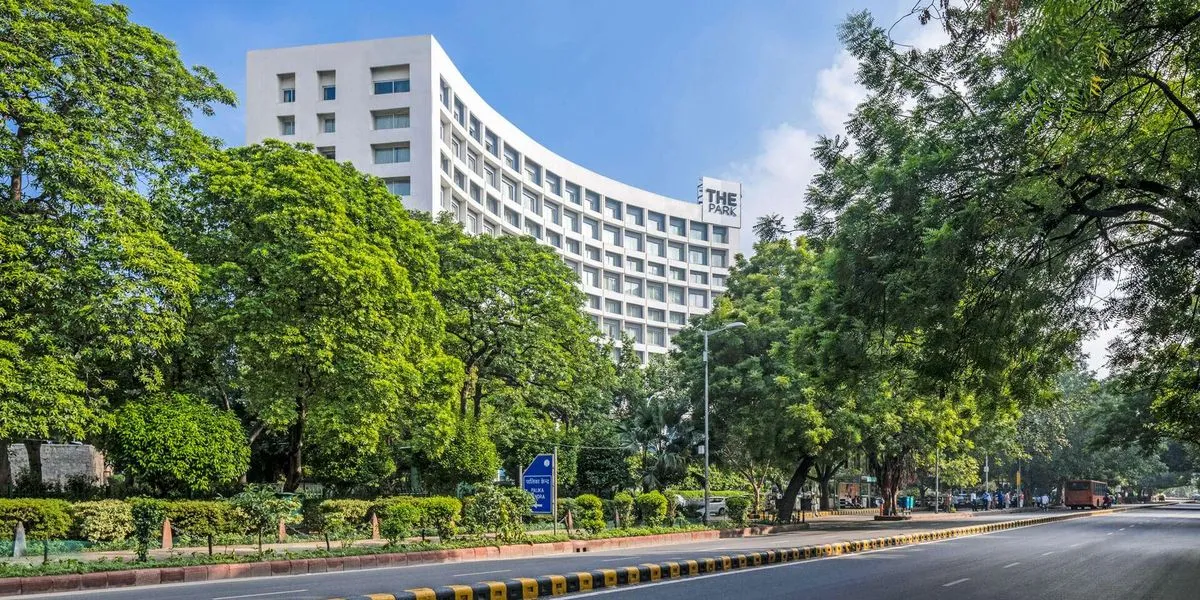
As the sun rises over the picturesque hills of Darjeeling, a new chapter begins for this iconic destination. On March 31, 2026, ASPHL, part of the Apeejay Surrendra Group, launched three hotels in India’s leisure destinations, including the much-anticipated Zone by The Park Darjeeling. This marks ASPHL’s entry into a hill destination, a significant move that reflects both the growing tourism potential of the region and the company’s commitment to expanding its portfolio.
The launch of Zone by The Park Darjeeling, along with Zone Connect by The Park Gangtok and Zone Connect by The Park Katra, is not just about hospitality; it symbolizes a broader vision for development in the area. Vikas Ahluwalia, a representative of ASPHL, stated, “The simultaneous launch of these three hotels underscores our commitment to growth and the diversification of our portfolio.” This sentiment resonates deeply in a region that has long been a favorite among tourists for its natural beauty and cultural heritage.
However, the backdrop of this development is a politically charged atmosphere. The ruling Trinamool Congress (TMC) has earmarked three seats in the region for its ally, the Bharatiya Gorkha Prajatantrik Morcha (BGPM). This strategic alliance comes as the political landscape in Darjeeling and its neighboring areas, Kurseong and Kalimpong, is shifting. The combined population of these towns is approximately 0.875 million, making them a significant electoral base.
In recent years, the Bharatiya Janata Party (BJP) has maintained a stronghold in the Darjeeling Lok Sabha seat, winning it four consecutive times since 2009. This has led to a competitive political environment, with various parties vying for the support of the local populace. Anit Thapa, the leader of BGPM, has been vocal about the need for development, stating, “We are asking people to vote for development. The BJP has been fooling the Gorkhas since 2009 by claiming it wants to protect the region’s identity.” This highlights the growing discontent among voters who feel that promises have not translated into tangible benefits.
Ruden Sada Lepcha, the incumbent MLA defending his Kalimpong seat as a BGPM candidate, echoed similar sentiments, emphasizing that the people of Kalimpong are tired of unfulfilled promises. “People of Kalimpong will vote for development as they are tired of the promises BJP has been making since 2009,” he remarked. The political discourse is increasingly centered around governance and accountability, with issues like corruption in the Gorkhaland Territorial Administration (GTA) coming to the forefront.
As the political parties gear up for the upcoming elections, the TMC has announced 291 candidates for Bengal’s 294 constituencies, indicating a robust strategy to retain power in the state. The stakes are high, and the outcome of the elections could significantly impact the region’s future, especially in terms of development and infrastructure.
In this context, the launch of new hotels in Darjeeling is more than just an economic opportunity; it represents a potential shift in how the region can leverage its tourism sector to foster growth and stability. The interplay between hospitality and politics will be crucial in determining the future trajectory of Darjeeling, a place that has always been at the crossroads of culture, nature, and now, political ambition.
As the dust settles on the recent developments, the residents of Darjeeling and its neighboring towns will be watching closely. The decisions made in the coming months will not only shape the political landscape but also influence the economic prospects of this enchanting hill station. The hope is that with new investments and a responsive political framework, Darjeeling can thrive once more, welcoming visitors and fostering a sense of community among its residents.