



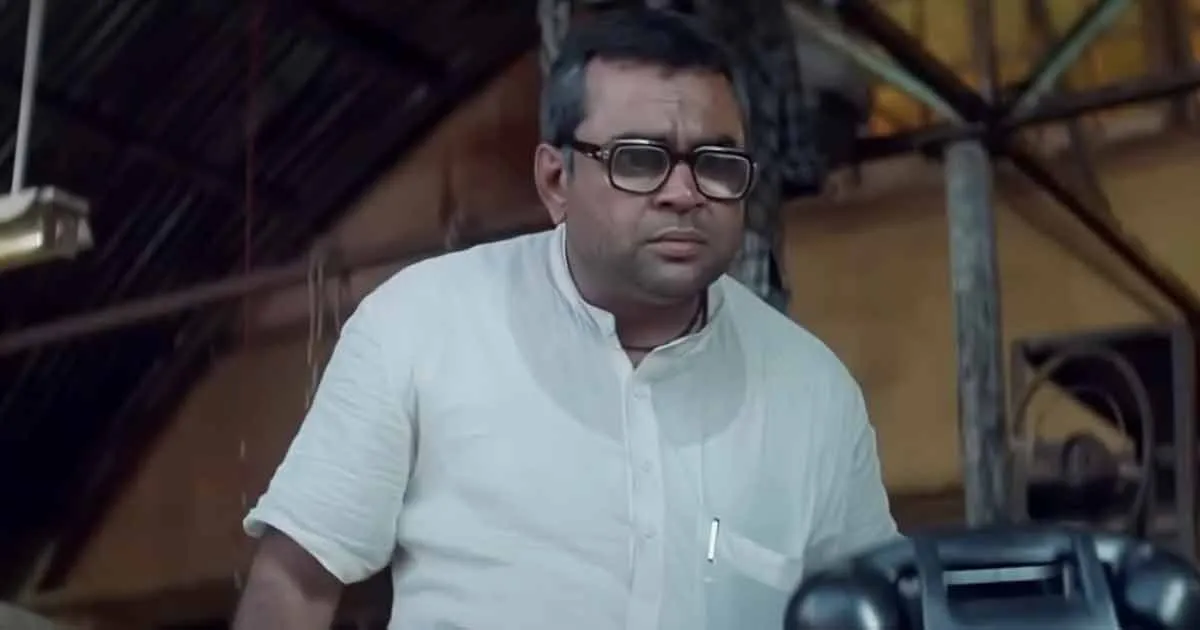
As the film industry gears up for new releases, Paresh Rawal is making headlines with his latest collaboration. The veteran actor is set to reunite with acclaimed director Priyadarshan for the upcoming horror comedy, Bhooth Bangla, which is scheduled to hit cinemas on April 17, 2026.
Rawal, who has been a prominent figure in Indian cinema for over forty years, has a rich history of working with Priyadarshan and actor Akshay Kumar. Their past collaborations, including iconic films like Hera Pheri and Andaz Apna Apna, have left a lasting impact on audiences, particularly among Gen-Z fans who continue to celebrate these classics.
In recent interviews, Rawal has emphasized the importance of a director’s clear vision in filmmaking. He stated, “I like working with filmmakers who are well informed and have a clear vision.” This sentiment reflects his dedication to the craft and the evolving landscape of cinema.
Rawal also shared insights into the changing demands of the audience, noting that they now seek unique stories rather than just star power. He remarked, “If you only bring star power to screen, you will have a balance sheet, not a legacy.” This perspective highlights the shift in viewer expectations, especially after the lockdown period, which has influenced how films are perceived.
As he prepares for the release of Bhooth Bangla, Rawal is keenly aware of the industry’s evolution. He mentioned, “Observing and learning is now part of my default mode as an actor,” indicating his commitment to growth and adaptation in his craft.
With Bhooth Bangla on the horizon, fans are eager to see how Rawal’s collaboration with Priyadarshan will unfold. The film promises to blend humor with horror, a genre that has gained popularity in recent years.
As the release date approaches, anticipation builds not just for the film itself but for what this reunion signifies in the context of Rawal’s illustrious career. His ability to resonate with audiences across generations speaks volumes about his talent and the timeless nature of his performances.
In a landscape where storytelling continues to evolve, Paresh Rawal’s insights and experiences will undoubtedly contribute to the ongoing dialogue about the future of Indian cinema.