

The political landscape in Assam has become increasingly contentious as the Assam government has filed a petition in the Supreme Court challenging the Telangana High Court’s recent decision to grant anticipatory bail to Pawan Khera. This case has sparked significant debate and criticism, particularly from opposition leaders.
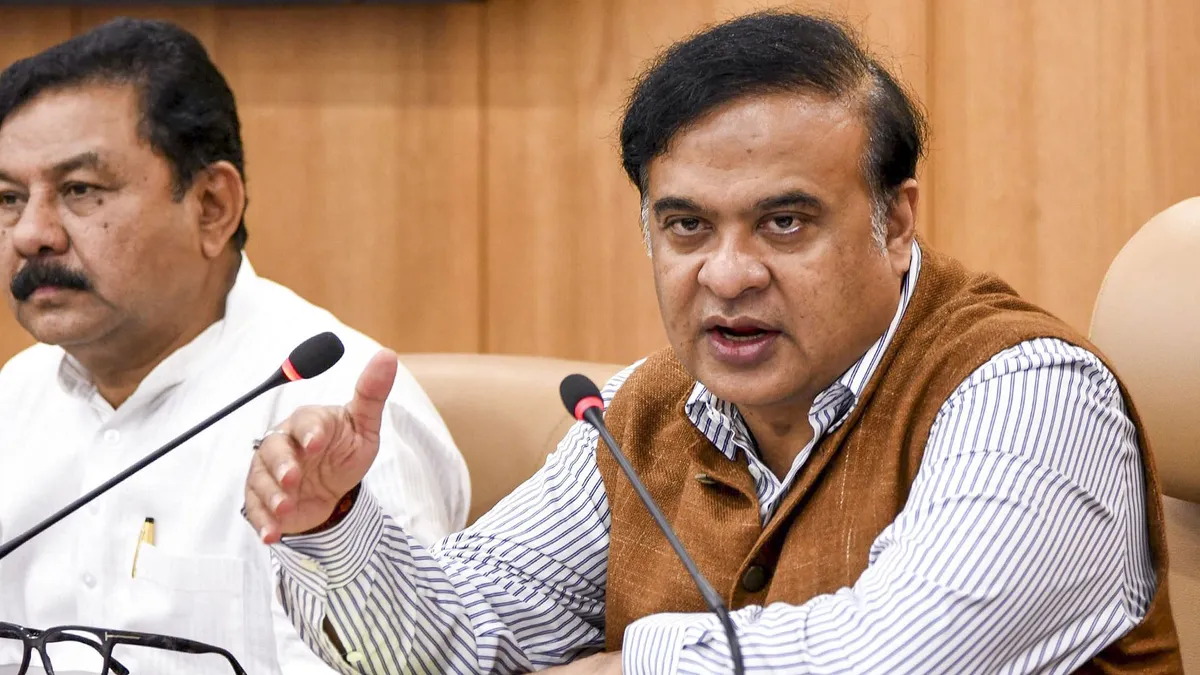
Pawan Khera, a prominent figure in the Congress party, was granted a one-week transit anticipatory bail by the Telangana High Court in response to a case filed against him in Assam. The allegations stem from a complaint involving Himanta Biswa Sarma’s wife, Riniki Sharma, which has added a layer of complexity to the situation.
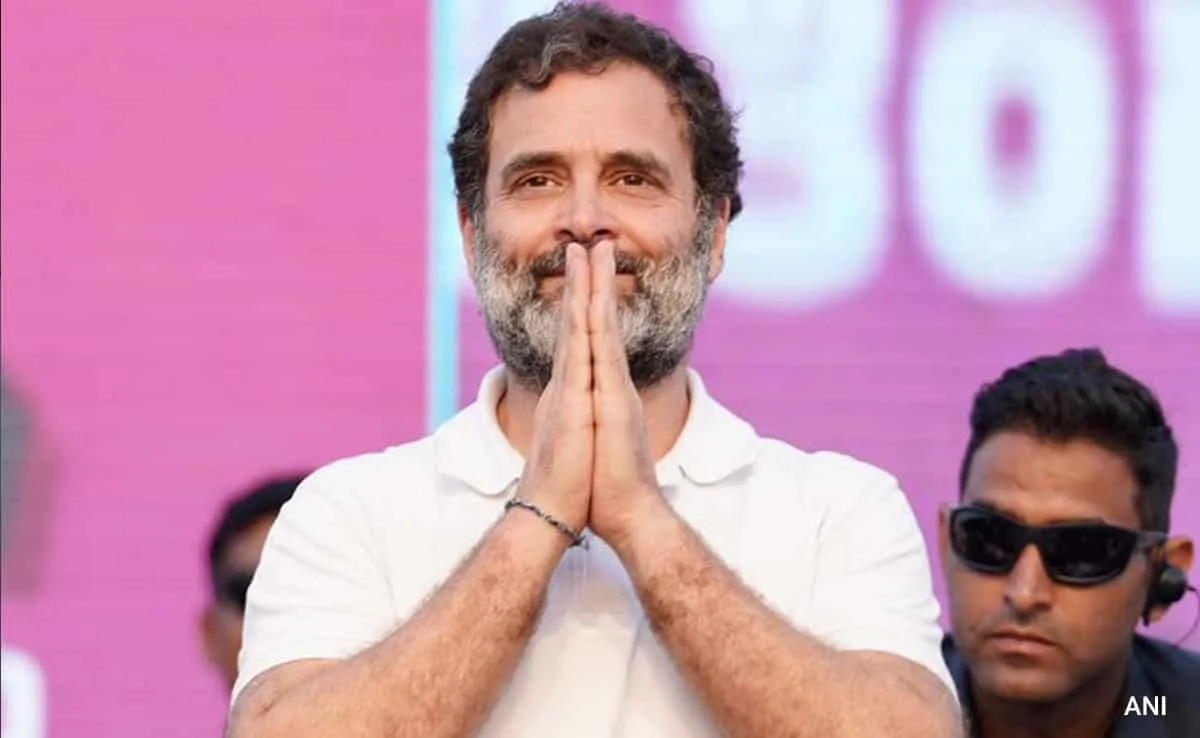
Rahul Gandhi, a key leader of the Congress party, has publicly criticized Assam Chief Minister Himanta Biswa Sarma, labeling him as “the most corrupt CM in the country.” Gandhi’s remarks highlight the ongoing political rivalry and the use of legal avenues as tools for political maneuvering.
In his statements, Gandhi emphasized that the abuse of state power to target political opponents is not only unethical but also a violation of constitutional principles. He expressed solidarity with Khera, stating, “The present CM of Assam is the most corrupt in the country. He will not escape the law. His abuse of state power to harass his political opponents and critics is against the Constitution.”
Gandhi further called for greater transparency and accountability within governance, asserting that these principles are fundamental to the rule of law. He remarked, “The questions that are being raised have to be probed. Transparency, accountability of the law are the basis of our constitutional values.”
This legal battle is expected to unfold in the coming days as the Supreme Court prepares to hear the Assam government’s petition. Observers are keenly watching how this situation will evolve, particularly regarding the implications for political dynamics in Assam.
As the case progresses, it remains to be seen how the judiciary will navigate the complex interplay of politics and law in this instance. The outcome could have significant ramifications for both the Congress party and the ruling government in Assam.
Details remain unconfirmed regarding the specific arguments that the Assam government will present in the Supreme Court. However, the tension between the state and opposition parties is likely to intensify as this legal saga continues.