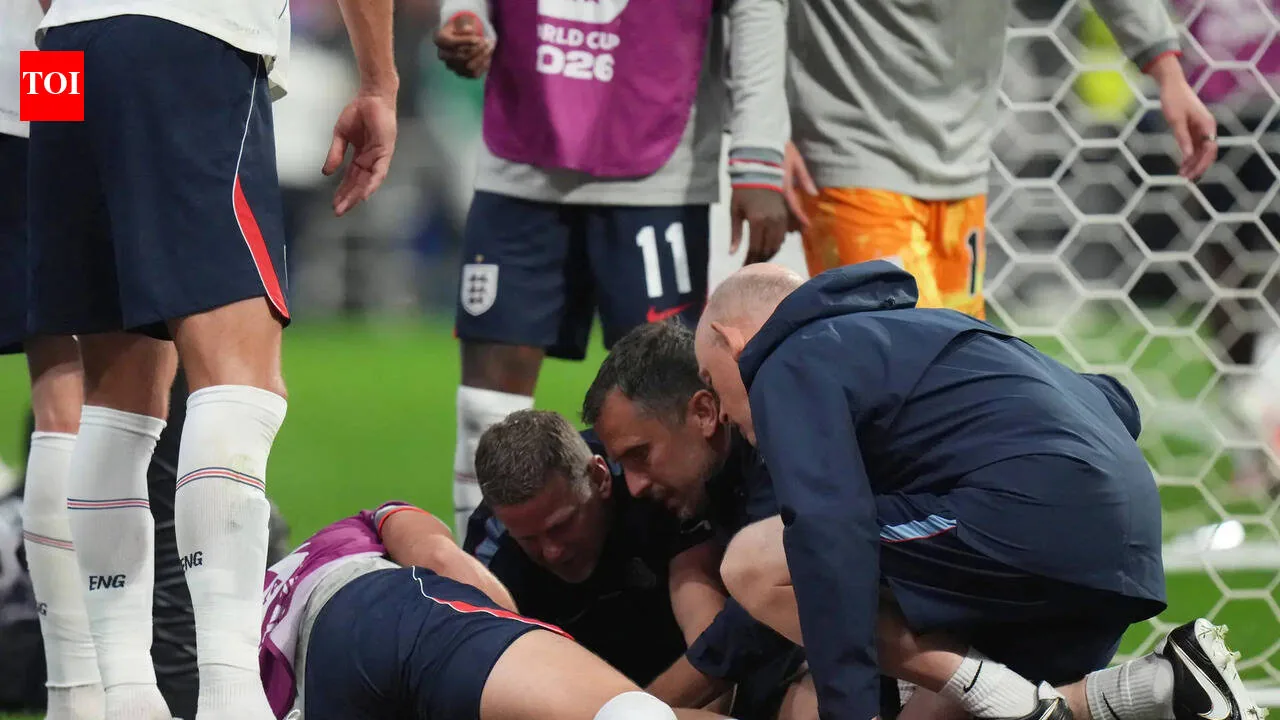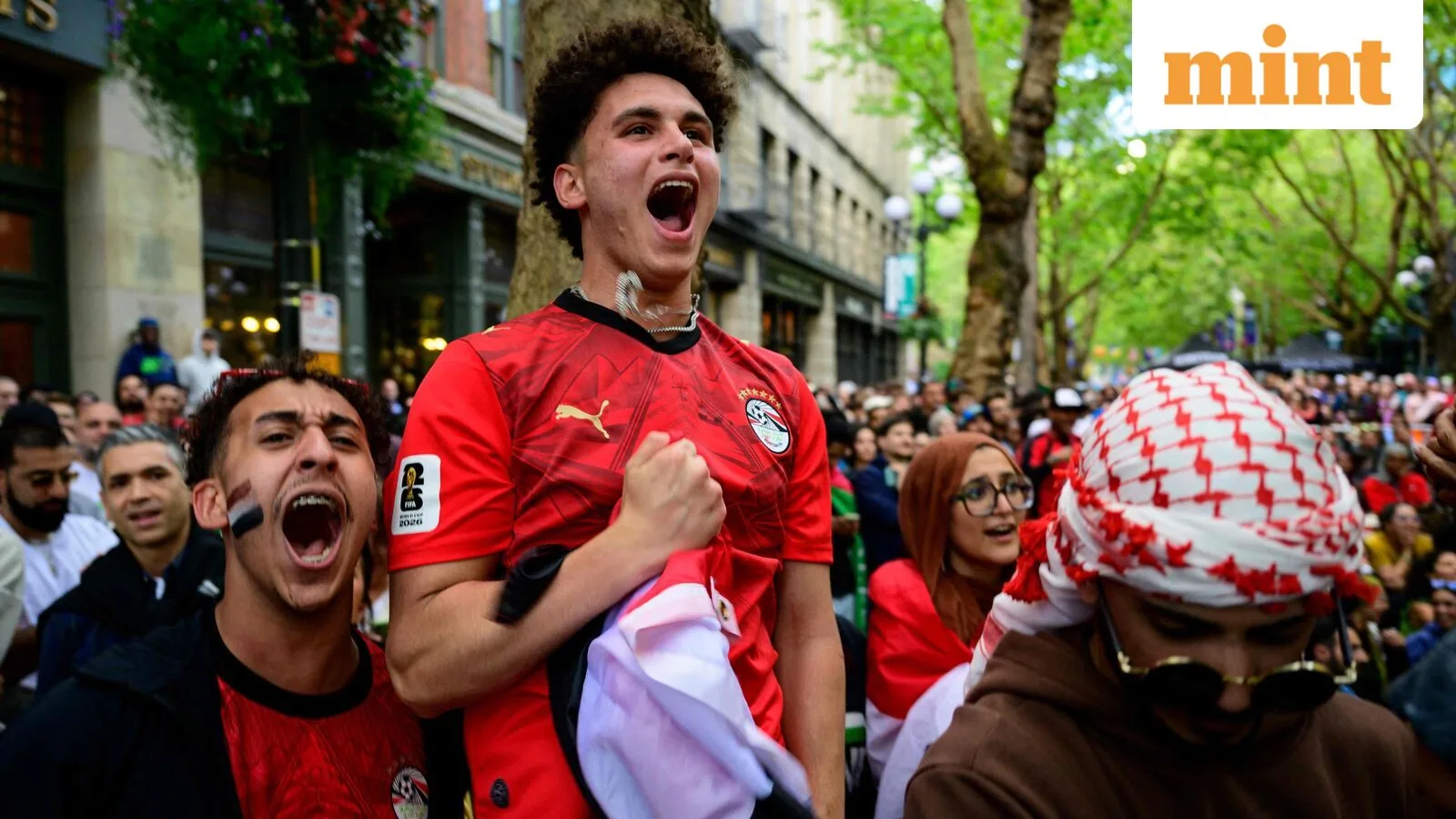




Argentina secured a 2-1 victory over England in a dramatic comeback, earning a spot in the World Cup final. The match, held at Mercedes-Benz Stadium in Atlanta, saw Argentina score two goals in seven minutes to overturn a deficit.
Enzo Fernandez equalised for the defending champions in the 85th minute with a long-range strike, assisted by Lionel Messi. Just seven minutes later, in the 92nd minute, Messi delivered a cross that substitute Lautaro Martinez headed home, putting Argentina ahead.
Match Overview and Key Moments
The game was marked by intense physicality from the start, with six fouls recorded in the opening ten minutes. Early in the match, there was a scuffle involving England’s Elliot Anderson and Argentina’s Enzo Martinez, though no card was issued at that time. The first half was described as testy, with 19 fouls and no shots on goal.
England took the lead in the 54th minute when Anthony Gordon scored from a cross by Morgan Rogers. Argentina, however, began to threaten more after conceding, with several substitutions made by both teams after a hydration break. Rodrigo De Paul, Nicolas Otamendi, and Gonzalo Montiel entered for Argentina, while England brought on Ezri Konsa for Gordon.
Argentina’s coach, Lionel Scaloni, expressed his pride in the team’s performance, stating, “We are truly unique, and that’s not arrogance. From the bottom of my heart, these players led us to victory. I’m lost for words. A joy for our country, for our people.”
Pre-Match Dynamics and Rivalry
The semifinal match carried significant historical weight due to the long-standing rivalry between the two nations, both on and off the pitch. Argentina’s vice president, Vicky Villarruel, posted messages on social media referencing the 1982 Falklands War, stating, “This isn’t just another match. I’m not going to be politically correct or cold-hearted; against the English, it’s always something more.” She further added that her father fought in the conflict and that England is “always an enemy.”
Despite the political undertones, players and coaches, including Argentina’s security minister, urged a focus on sports. Messi, who had not previously faced England in his career, remarked on the prospect of playing them, saying, “It’s special because they’re a great team, a powerhouse, and it’s always nice to play a team like that, a match of this kind.”
England’s manager, Thomas Tuchel, acknowledged Messi’s impact, describing him as a “silent killer” who “can explode in every minute.” Tuchel emphasised the need for his team to find a way to stop Messi and overcome Argentina.
Path to the Final and What’s Next
Argentina’s journey to the final has been characterised by dramatic comebacks. They were taken to extra-time by Cape Verde and launched a comeback from a two-goal deficit against Egypt. Their quarterfinal against Switzerland also saw a controversial decision that left their opponent with ten men.
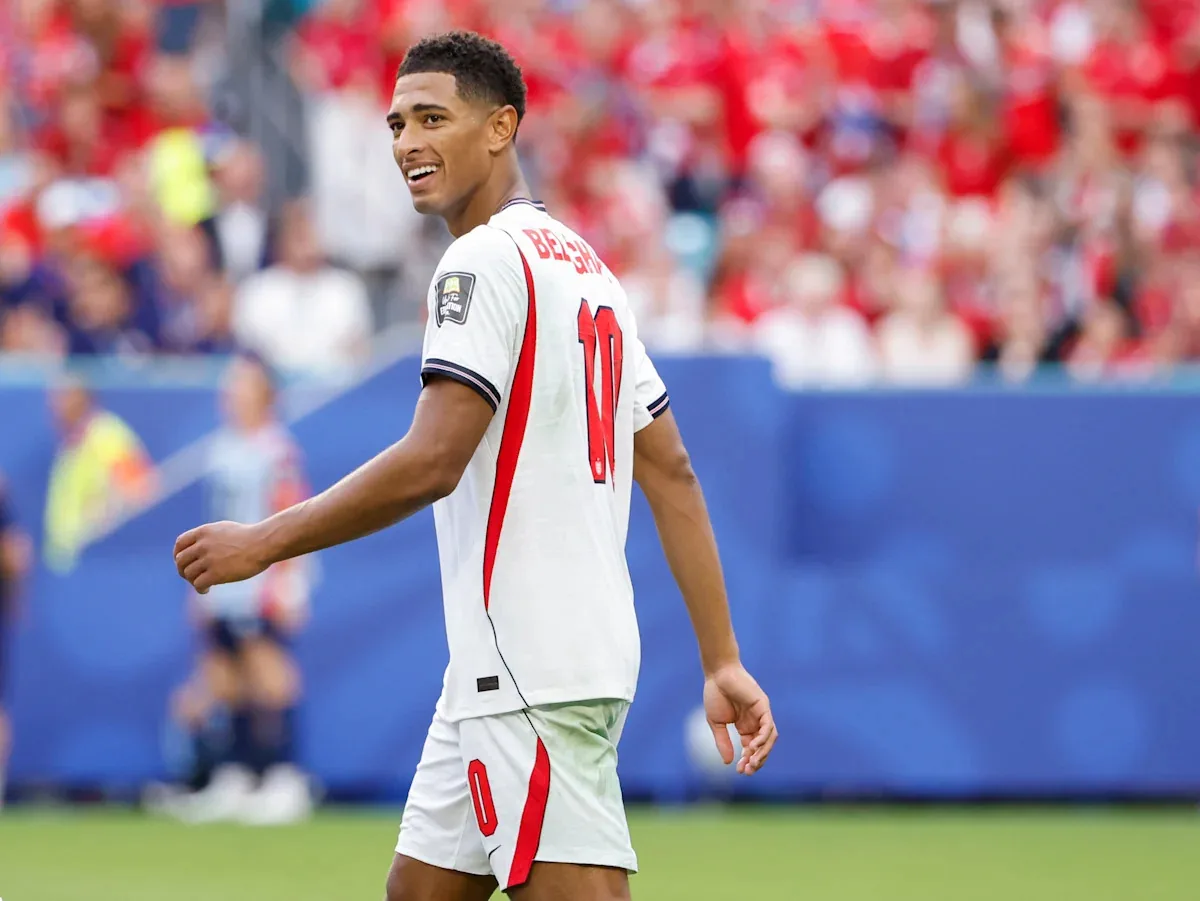
Messi has been a pivotal figure for Argentina, scoring eight goals in the tournament. He is currently tied for the lead in goals with Kylian Mbappe of France, who is now out of the tournament. England’s Harry Kane and Jude Bellingham both have six goals each.
Argentina will now face Spain in the World Cup final on Sunday, July 19, at MetLife Stadium in East Rutherford, New Jersey. No team has won back-to-back World Cups since Brazil in 1958 and 1962.
Read Also
Source: eu.usatoday.com