



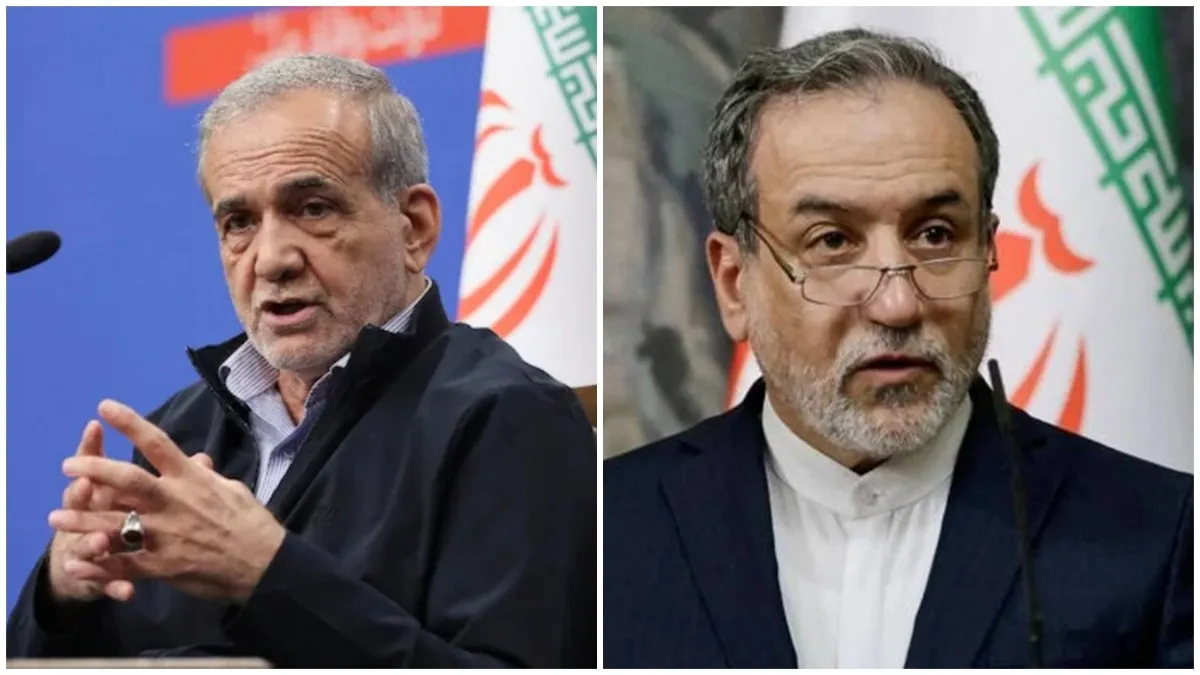
“Pezeshkian has told close associates that he will dismiss Araghchi if such conduct continues,” said President Masoud Pezeshkian, signaling a significant shift within Iran’s leadership. Tensions rise as efforts to oust Foreign Minister Abbas Araghchi gain momentum amidst accusations of his alignment with the Revolutionary Guard.
The backdrop is a complex web of internal rifts. President Pezeshkian and Parliament Speaker Mohammad Bagher Ghalibaf are leading the charge against Araghchi, who they accuse of acting more like an aide to Revolutionary Guard Commander Ahmad Vahidi than a cabinet minister. This accusation stirs the pot in an already volatile political environment.
Araghchi’s approach to Iran-US negotiations has drawn scrutiny. He coordinated directly with Vahidi without informing Pezeshkian, which has fueled frustration among the leadership. Ghalibaf even resigned from his role as head of the negotiating team after being reprimanded for including nuclear discussions in talks, further highlighting divisions.
The Revolutionary Guards appear to be tightening their grip on key positions within Iran’s government as the situation grows critical. Observers note that these divisions reflect deeper issues regarding how Iran manages its nuclear program and engages with international partners.
On April 24, Araghchi traveled alone to Islamabad to deliver Tehran’s proposal to Pakistani officials, only for it to be rejected by the United States president shortly thereafter. This incident underscores the challenges facing Iranian diplomacy and exacerbates existing tensions between various factions within the government.
Moreover, a group of lawmakers aligned with hardline politician Saeed Jalili have openly refused to support the negotiating team, emphasizing the fractured state of Iranian politics. The stakes are high; regional stability hangs in the balance as these internal conflicts unfold.
In a recent meeting characterized by its constructive nature, Russian Foreign Minister Sergey Lavrov remarked on ongoing cooperation between Iran and Russia amidst regional uncertainty. This partnership may provide some solace for Araghchi as he navigates this tumultuous landscape.
Araghchi himself has asserted that “the United States failed to achieve its objectives in the recent conflict with Iran,” reflecting a staunch defense of his position amidst growing dissent.