White House defends free speech
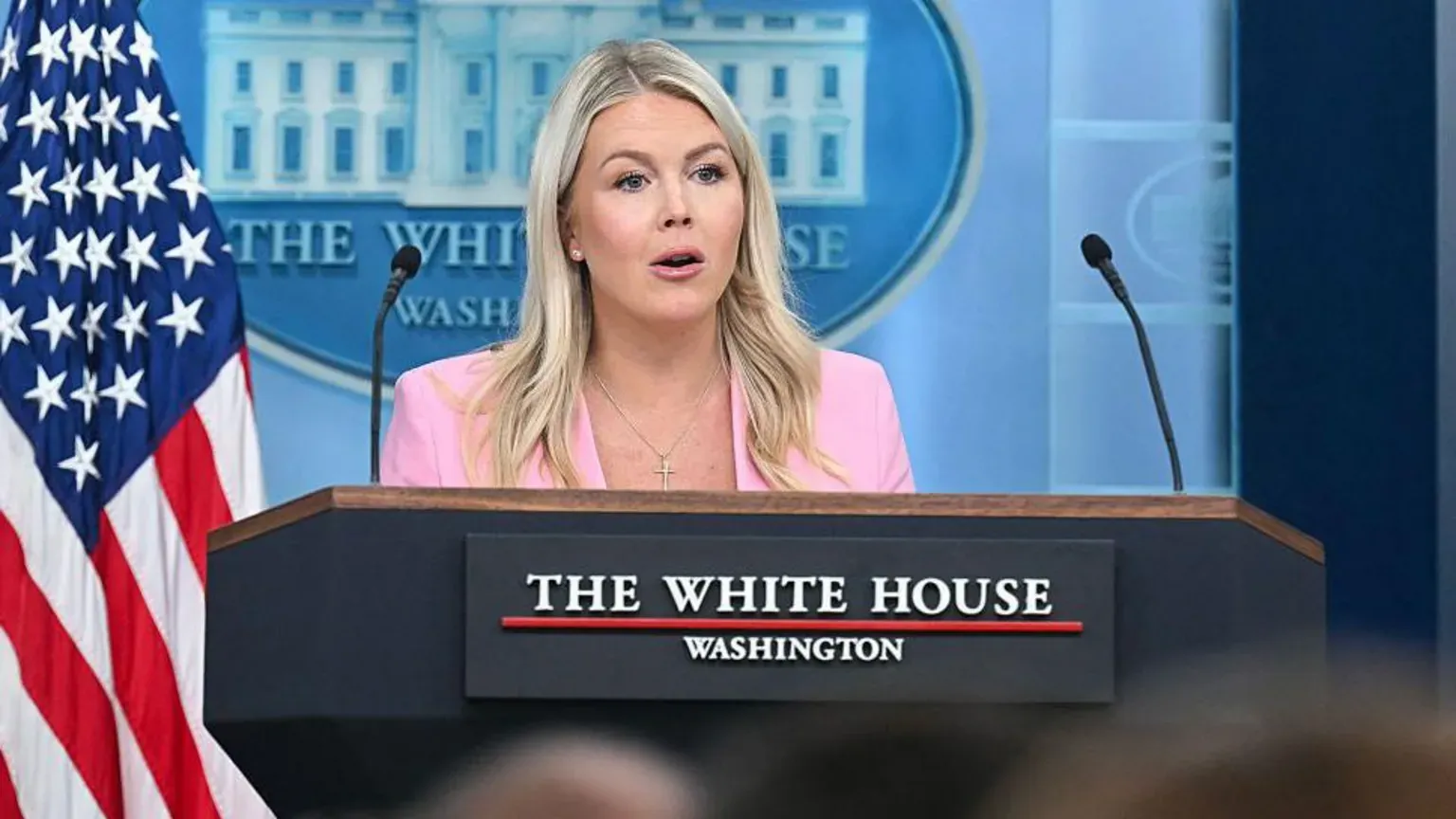
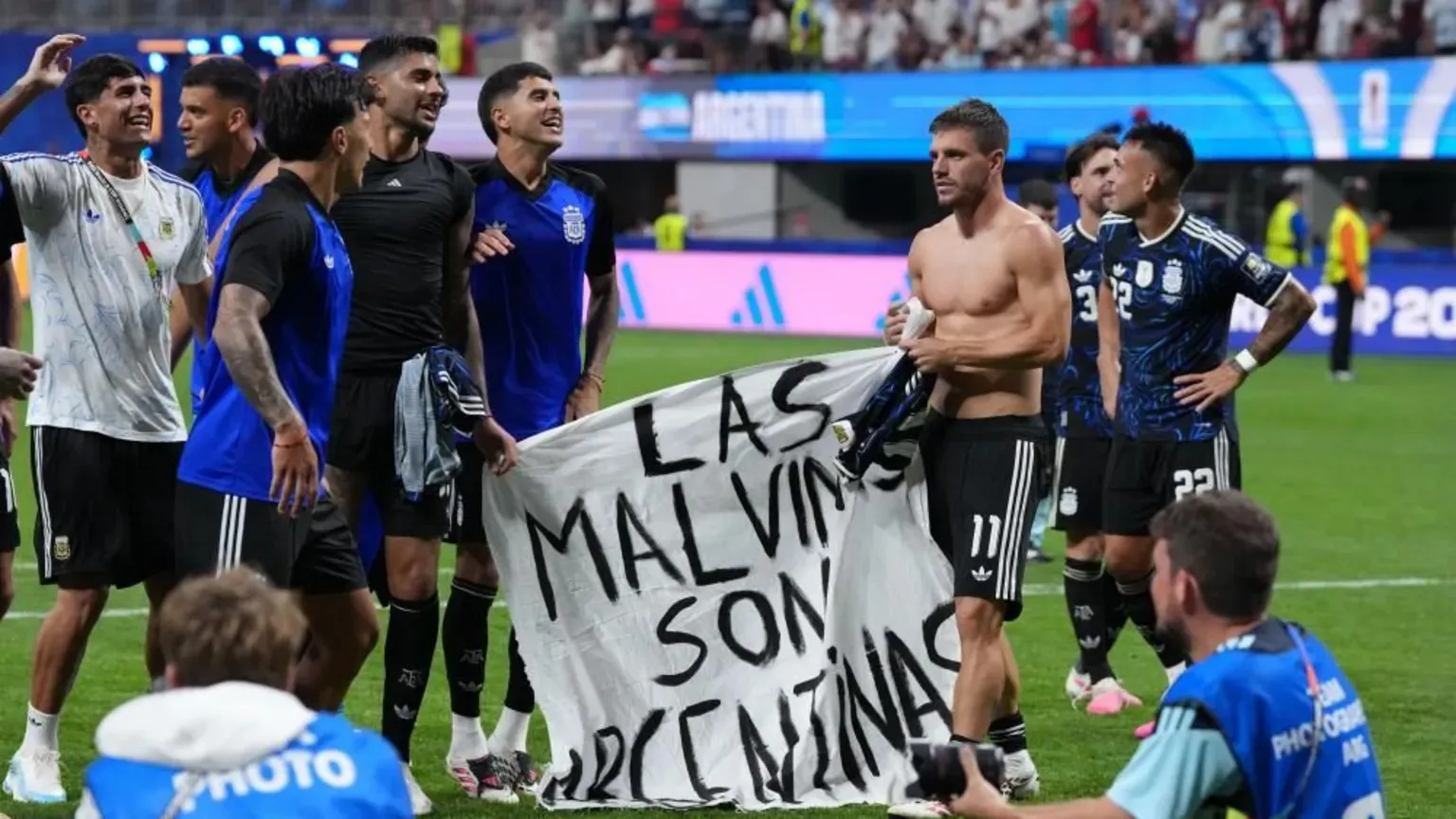
The White House has defended the Argentinian football team’s right to free speech following a controversial incident where players displayed a banner supporting their country’s territorial claim to the Falkland Islands. The banner, which read “Las Malvinas son Argentinas” (“The Falklands are Argentine”), was unfurled during celebrations after their World Cup semi-final victory against England.
Andrew Giuliani, head of the White House Fifa task force, stated on Friday that the team had the opportunity to “make those statements” in the US. He referenced free speech protections in the US Constitution, noting, “We believe in our First Amendment rights here in the United States of America.”
This defence from the White House comes as the incident continues to draw strong reactions. Downing Street has supported calls for FIFA to investigate the matter, while the government of the Falkland Islands expressed disappointment.
Controversy and calls for investigation
The display of the banner has intensified the ongoing dispute over the sovereignty of the Falkland Islands, a British overseas territory in the south-west Atlantic Ocean. The territory remains a subject of contention between the United Kingdom and Argentina.
Players Lisandro Martinez and Giovani Lo Celso were seen holding the banner after Wednesday’s semi-final match. Midfielder Leandro Paredes commented on the banner, stating, “And they will always be Argentine.” He added that the team was aware of the match’s significance for the country and aimed to represent their nation and those who experienced a “sad moment in our history.”
The incident appears to violate FIFA’s Stadium Code of Conduct, which prohibits “banners, flags, flyers, apparel and paraphernalia that are of a political, offensive, and/or discriminatory nature.” FIFA has confirmed that its independent disciplinary committee is assessing match reports and considering relevant circumstances to determine potential further steps based on the FIFA disciplinary code.
Downing Street reiterated its stance on the Falkland Islands, with the prime minister’s official spokesperson stating, “The World Cup might not be ours, but the Falkland Islands definitely are. Our commitment to the Falklands will never waver.” They also indicated that any potential action against the Argentina players is “a matter for Fifa,” echoing Business Secretary Peter Kyle’s view that the governing body should investigate.
The government of the Falkland Islands issued a statement expressing disappointment but not surprise. They hope FIFA will “sanction all behaviour of this nature in line with its own rules,” adding, “We do not wish to see politics being brought into sport” and “Nor do we wish the Islands and their people to be used as a political football in every conversation about England and Argentina.”
Historical context and past incidents
The sovereignty of the Falkland Islands, referred to as “Las Malvinas” by Argentina, has been a long-standing source of tension. A brief but intense conflict occurred between Britain and Argentina over the territory in 1982. A British military task force successfully repelled Argentine forces who had landed on the islands to assert a territorial claim.
This 74-day conflict resulted in the deaths of 255 British military personnel, three islanders, and 649 Argentine soldiers. In 2013, the residents of the Falkland Islands voted overwhelmingly in a referendum to remain a UK overseas territory, with 1,513 votes in favour and only three against, out of 1,517 votes cast.
This is not the first time the Falklands issue has surfaced in connection with the Argentinian team. Following their 3-2 win over Egypt in the last 16, Argentina players sang chants referencing the Falklands, along with football greats Maradona and Lionel Messi. Argentina vice-president Victoria Villarruel also posted on X after Wednesday’s victory, stating, “The Falklands are Argentine,” and sharing a video that appeared to show Argentine soldiers.
The match itself saw England take the lead in the 55th minute, but Argentina secured a 2-1 victory with two late goals, both assisted by Lionel Messi.
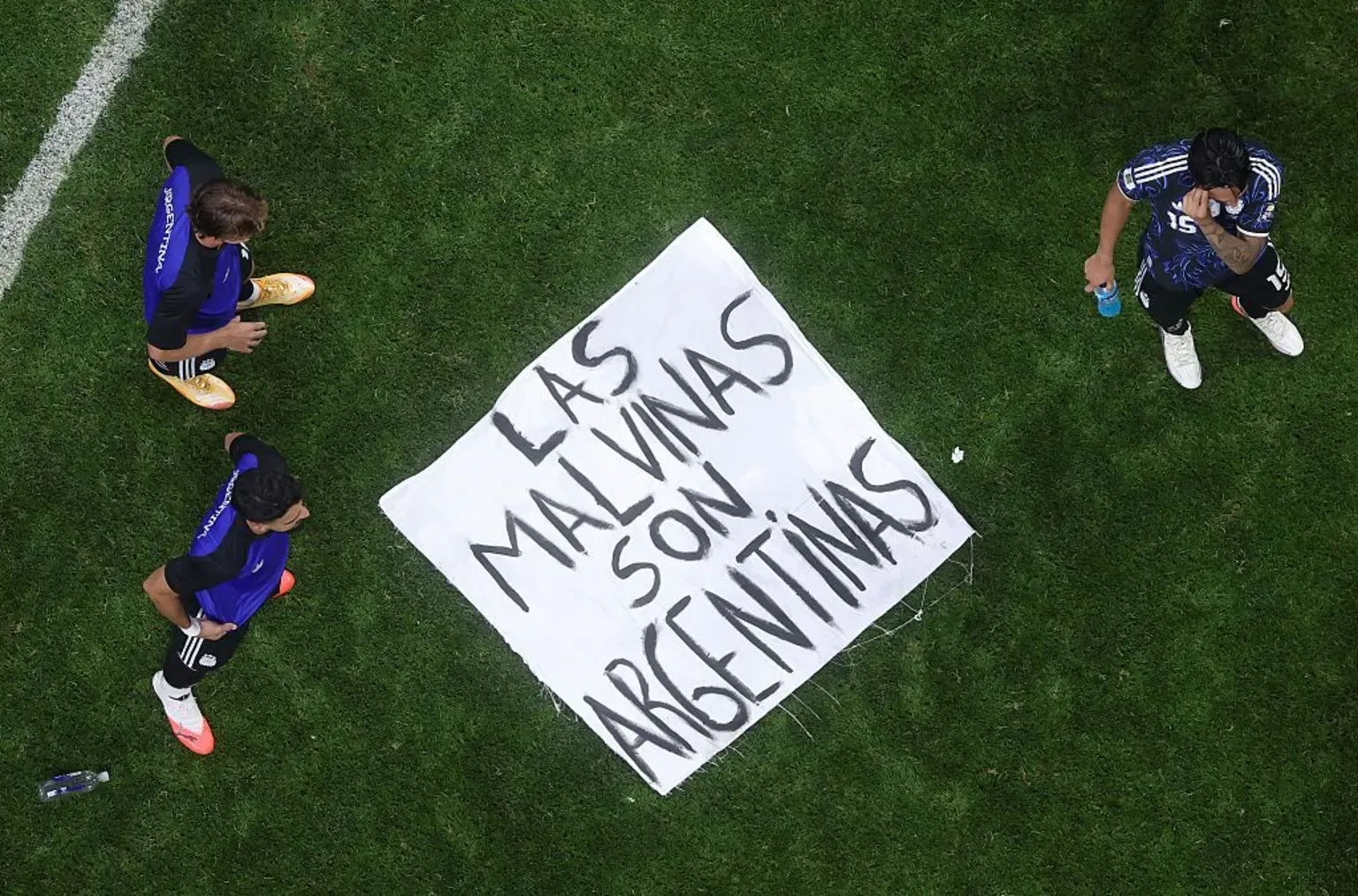
FIFA’s independent disciplinary committee is currently assessing the incident.
Read Also
- Cardiff: Joe Root discusses young batters learning on the job in ODI cricket
- Rohit Sharma's international future uncertain after Lord's ODI
- BCCI dismisses Rohit Sharma retirement rumours, confirms continued India representation
- Messi and Yamal set for World Cup final showdown after viral photo resurfaces
Source: bbc.com