



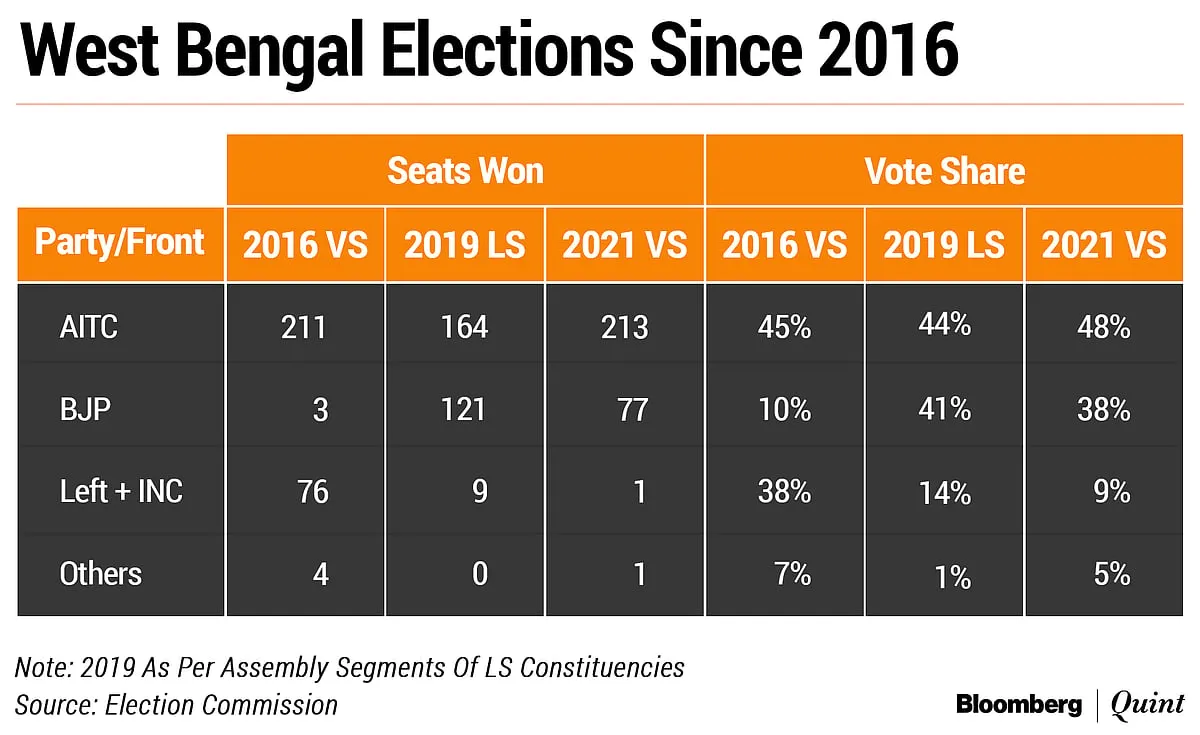
The voter turnout in West Bengal’s 2026 elections reached an impressive 89.99%, surpassing the previous record of 80.4% from 2021 for the same seats. This surge was unexpected, especially given the tumultuous political climate leading up to the polls.
Before this, many analysts anticipated a decline in participation, influenced by ongoing tensions between the ruling Trinamool Congress (TMC) and the Bharatiya Janata Party (BJP). The narrative was one of disillusionment—voters seemed fatigued by constant political strife and allegations of electoral malfeasance.
However, something shifted. The decisive moment came during the campaigning phase when both Mamata Banerjee and Narendra Modi intensified their outreach efforts. This led to a record voter turnout of 92.25% in Phase 1, setting an optimistic tone for the subsequent phases.
Key statistics from the election:
- The voter turnout reached 89.99% by 5 PM on April 29, 2026.
- Purba Bardhaman recorded the highest turnout at 94.06% in the second phase.
- Bhabanipur constituency saw a turnout of 85.51% by the same time.
- District-wise, Hooghly recorded a turnout of 90.34%, while Nadia had 90.28%.
This remarkable increase has significant implications for both parties involved. For TMC, led by Mamata Banerjee, it reinforces their hold on power and counters accusations of waning support. Conversely, for BJP, it raises questions about their strategies and whether they can effectively challenge TMC’s dominance moving forward.
Mamata Banerjee voiced concerns during her campaign: “The BJP wants to rig this election… Is there a goonda raj here?” Such sentiments reflect deeper anxieties about electoral integrity amidst rising tensions.
Experts suggest that this high turnout could signal a renewed engagement among voters—perhaps driven by issues that resonate more deeply than party affiliations alone. Yet, it also raises questions about what this means for future elections and how both parties will adapt to this evolving landscape.