



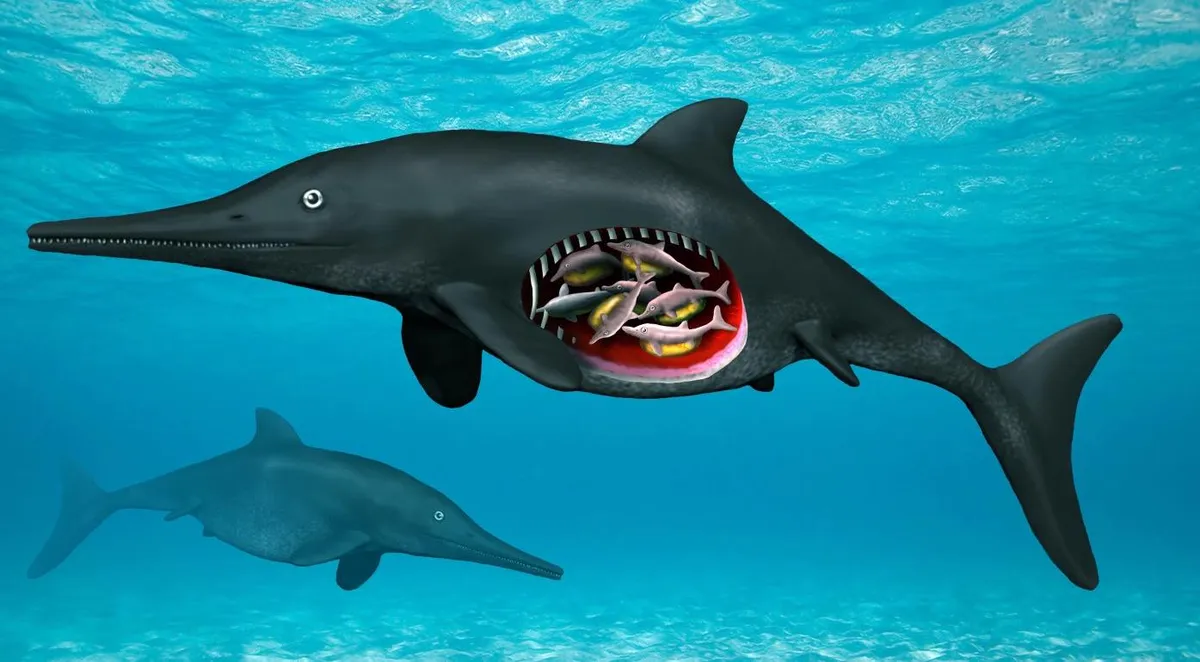
The recent discovery of a 180-million-year-old ichthyosaur fossil in Mistelgau, Germany, is turning heads in the paleontological community. This specimen, belonging to the genus Temnodontosaurus, measures an impressive 21 feet in length. But what truly stands out are the severe injuries it sustained during its life—injuries that challenge our understanding of prehistoric survival and feeding adaptations.
Since excavations began at the Mistelgau site in 1998, it has yielded numerous marine fossils. However, this find is particularly significant due to its nearly complete skull, lower jaw, shoulder girdle, spine, and over 100 teeth. It paints a vivid picture of the ecological dynamics that existed in Jurassic seas.
Interestingly, the fossil shows signs of severe jaw injuries. According to Stefan Eggmaier, one of the researchers involved, “The injuries likely significantly limited the animal’s ability to catch prey.” This raises questions about how this ichthyosaur managed to survive despite such debilitating conditions.
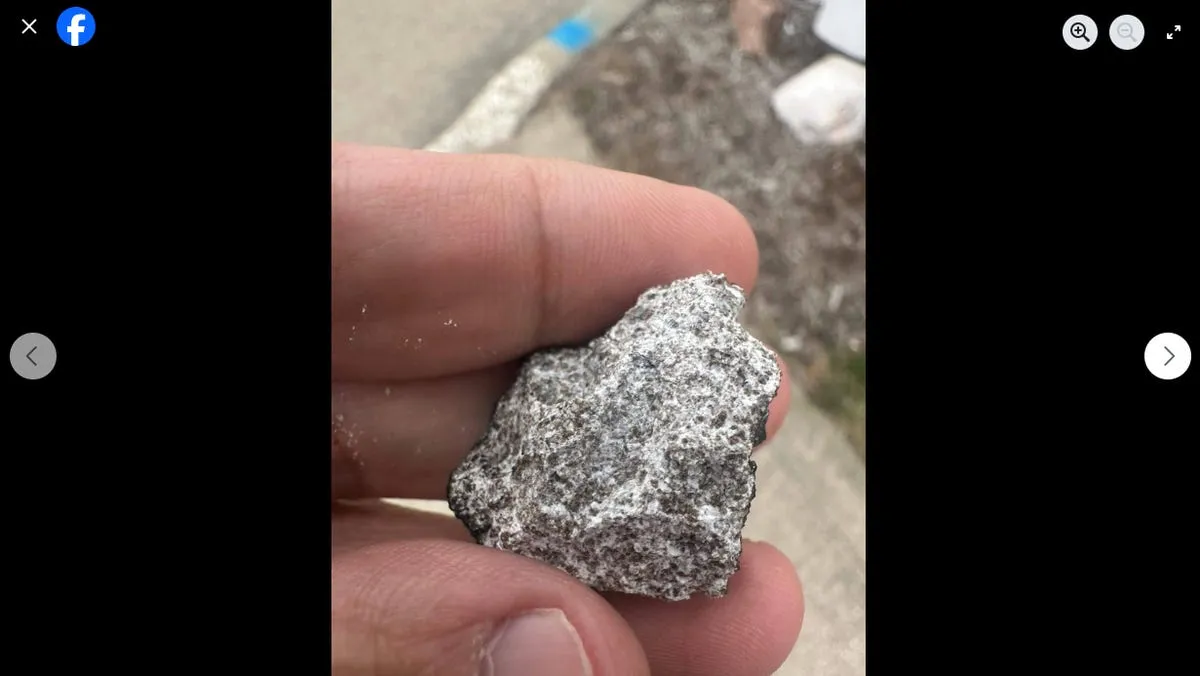
Moreover, the presence of gastroliths—stones found in the abdominal cavity—suggests a possible shift in feeding behavior. This adaptation may have been crucial for its survival in a competitive marine ecosystem. As Eggmaier noted, “The fact that it nevertheless survived is evidenced… by its heavily worn teeth and gastroliths.” Such findings highlight the complexities of convergent evolution among marine reptiles.
This ichthyosaur is one of the youngest finds within its genus to date. Ulrike Albert from the research team stated that this discovery challenges previous assumptions regarding the survival timeline of ichthyosaurs in this region. Observers are left pondering how these ancient creatures navigated their environments amid such adversity.
As we reflect on this remarkable find, it prompts us to consider broader implications for our understanding of prehistoric life. How did these majestic creatures adapt to their surroundings? What can we learn about their interactions within marine ecosystems? The answers may lie buried within more fossils waiting to be uncovered.