

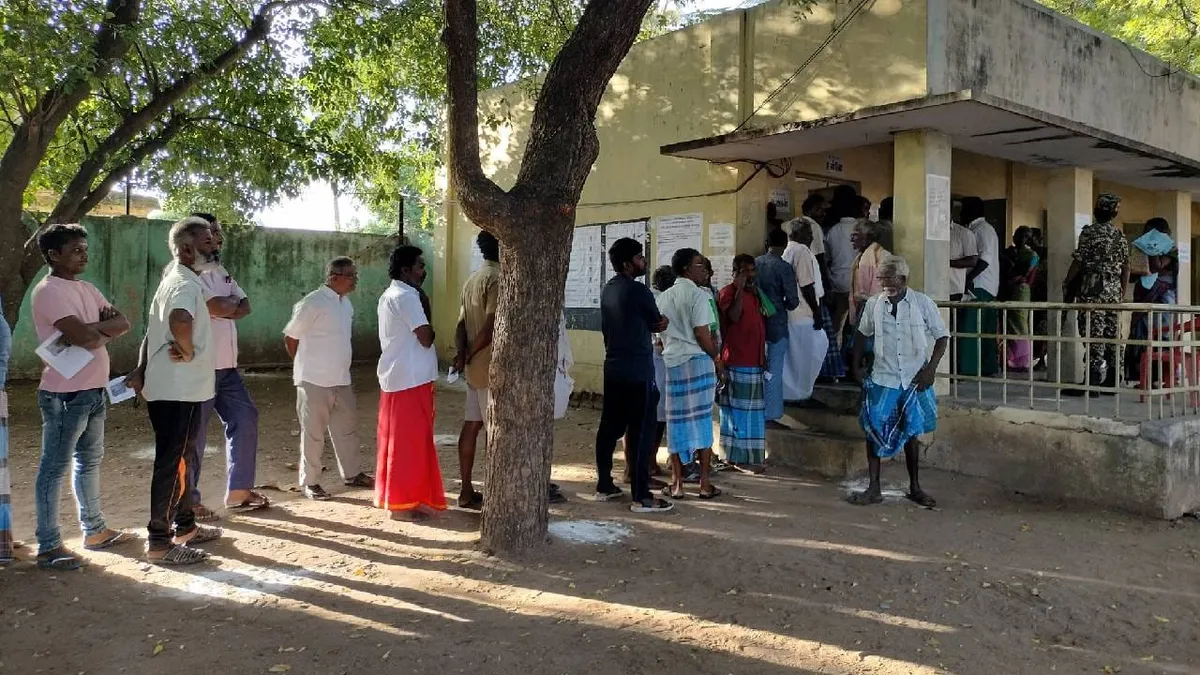
Tamil Nadu’s voter turnout has soared to an astonishing 82.24%, setting a new record that eclipses the previous high of 78% achieved in 2011. This remarkable figure speaks volumes about the state’s electoral engagement.
In this latest election cycle, 30 out of 38 districts reported over 80% voter turnout. Notably, Karur district topped the charts with an impressive 89%. Meanwhile, Chennai also performed well, recording a turnout of 83.44%.
To put this into perspective, in the last elections held in 2021, Tamil Nadu saw a significantly lower turnout of 73.63%. Back then, there were around 6.28 crore registered voters. However, after revisions for the current election, the total number dropped to 5.73 crore, with approximately 70 lakh names removed from the electoral rolls.
This shift raises intriguing questions about voter rights and accessibility—especially considering reports that many potential voters faced challenges reaching their polling stations. As one frustrated citizen noted, “Thousands of citizens who have travelled from all over… have been left helpless due to heavy requisitioning of buses for poll duty without parallel arrangements for ordinary voters.”
The western districts of Tamil Nadu appear to be leading in terms of participation—could this be indicative of changing political sentiments? Or perhaps it reflects a more engaged electorate eager to exercise their voting rights?
This surge in participation is not just numbers on a page; it suggests a deeper connection between citizens and their democratic responsibilities. Yet, what will this mean for future elections? Will this trend continue or will we see fluctuations as we have in past cycles?
The implications are vast and complex, and observers are keenly watching how these dynamics play out across Tamil Nadu’s diverse polling districts.
The excitement around this record turnout is palpable, but it also leaves us pondering: how can electoral authorities ensure that such high levels of engagement persist? And will they address the logistical hurdles that still hinder some voters?