



Before the Declaration of Independence was approved by the Continental Congress on July 4, 1776, the sentiment for independence was brewing among the American colonies. The vote for independence had taken place just two days earlier, on July 2, when 12 colonies expressed their desire to break free from British rule. At that time, the idea of a national holiday to commemorate this pivotal moment was not yet conceived. Instead, the focus was on the immediate political ramifications of declaring independence, with leaders like John Adams and Thomas Jefferson advocating fervently for the cause.
The decisive moment came on July 4, 1776, when the final version of the Declaration of Independence was formally approved. This document, primarily drafted by Thomas Jefferson, articulated the colonies’ grievances against King George III and asserted their right to self-governance. The immediate effect was monumental; it not only united the colonies in their struggle for freedom but also set the stage for the emergence of a new nation. The first organized celebration of Independence Day occurred in 1777, just a year later, featuring fireworks, parades, and oratory that would become hallmarks of the holiday.
As the years passed, the observance of Independence Day transformed significantly. Initially modeled on British king’s birthday celebrations, the Fourth of July evolved into a distinctly American holiday. Early celebrations included toasting and speeches, reflecting the values of liberty and democracy that the new nation held dear. By the time John Adams and Thomas Jefferson both passed away on July 4, 1826, marking the 50th anniversary of the Declaration, the day had become a symbol of national pride and unity.
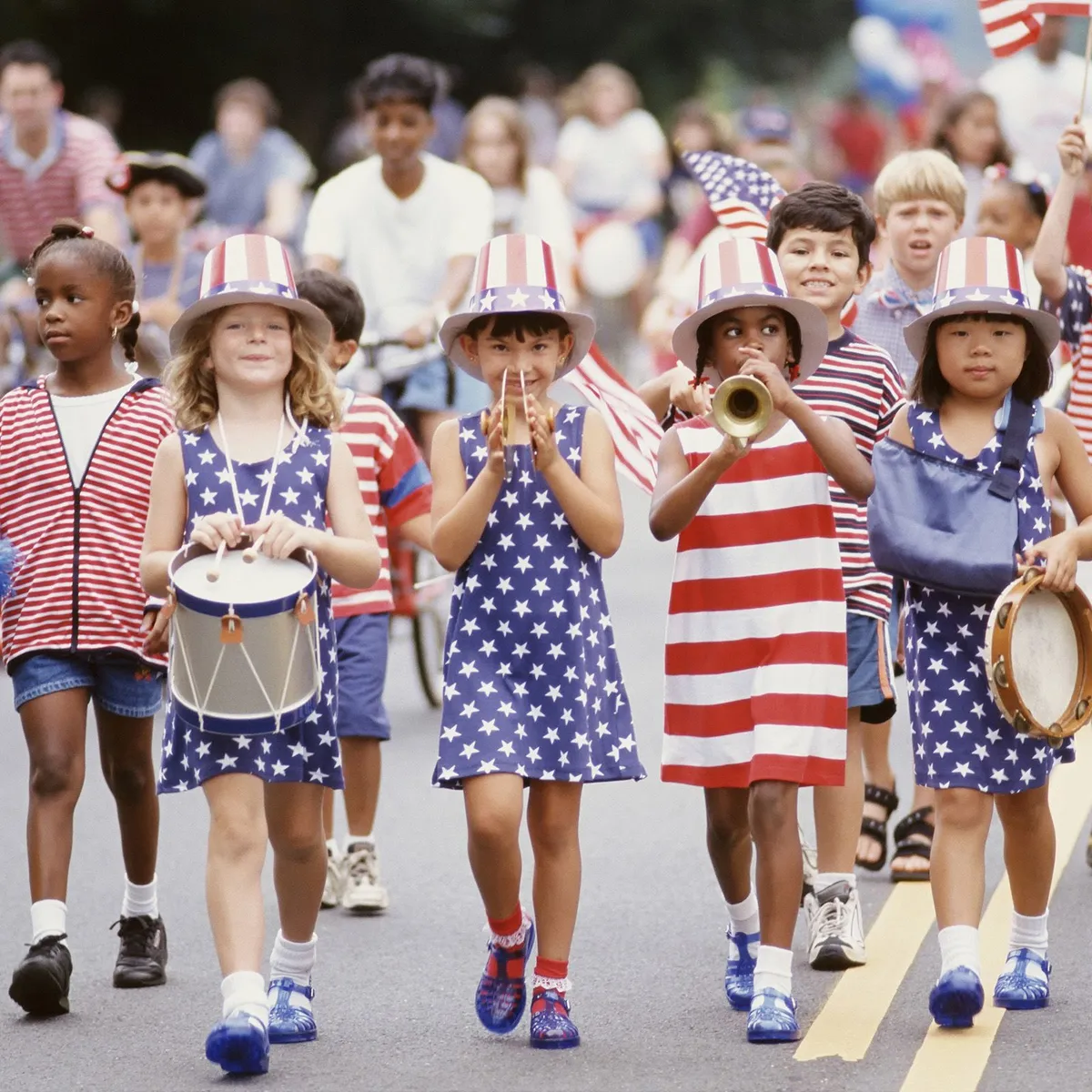
Today, Independence Day is celebrated across the United States with grand fireworks displays, barbecues, and family gatherings. The tradition of fireworks, which began in 1777, has become synonymous with the holiday, lighting up the skies in cities and towns nationwide. This evolution from a political statement to a festive occasion illustrates how the values and traditions of the United States have been woven into the fabric of the holiday.
Experts note that the significance of Independence Day extends beyond mere celebration; it serves as a reminder of the sacrifices made by the founding fathers and the ongoing struggle for freedom and equality. As Victoria Nibarger aptly stated, “ICSANT is essential to our ability to enjoy peaceful nuclear technology and applications while keeping radioactive and nuclear materials out of the hands of terrorists.” This perspective highlights the importance of vigilance and responsibility that accompanies freedom.
Furthermore, the Fourth of July has become a time for reflection on the nation’s progress and the ideals it strives to uphold. As Americans gather to celebrate, they also engage in discussions about the nation’s history, its challenges, and its future. The holiday serves as a platform for both celebration and contemplation, allowing citizens to honor the past while looking forward to what lies ahead.
In conclusion, the journey of Independence Day from its origins in 1776 to its current status as a national holiday illustrates the dynamic nature of American identity. As the United States continues to evolve, so too will the ways in which its citizens commemorate this significant day. The ongoing dialogue about freedom, democracy, and national unity remains as relevant today as it was over two centuries ago, ensuring that Independence Day will continue to hold a special place in the hearts of Americans.