



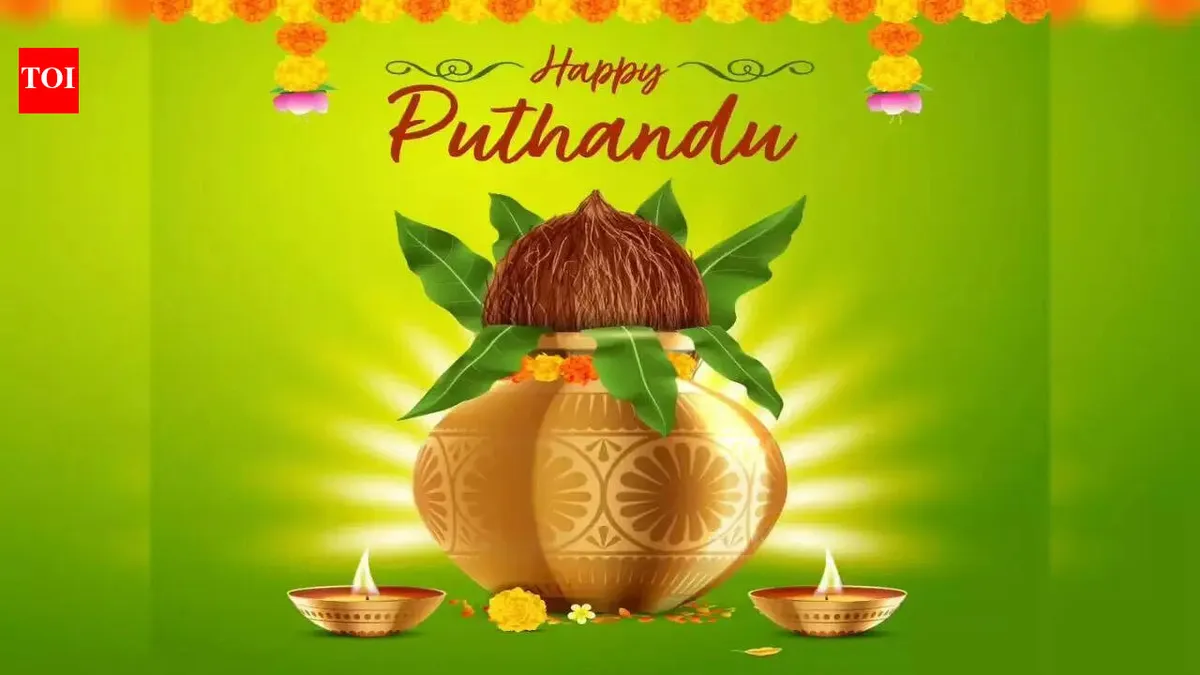
Puthandu, or Tamil New Year, is a cherished festival that has been celebrated for centuries, deeply rooted in the ancient Tamil culture and astronomy. Traditionally, this day marks the first day of the Tamil month Chitterai, and it is a time when families come together to celebrate new beginnings, prosperity, and hope for the year ahead. The festival is not just a date on the calendar; it symbolizes a fresh start, aligning with the agricultural cycles and the arrival of spring.
Before the celebrations of Puthandu, there was a general expectation of renewal and reflection among the Tamil community. Families would prepare for the day by cleaning their homes and planning special meals, but the festivities were often subdued, focusing more on personal reflection rather than communal celebration. The anticipation built around the rituals and the unique sweet meal called ‘Mango Pachadi’ was a significant part of the experience, yet the overall atmosphere lacked the vibrancy that many hoped for.
However, everything changed with the decisive moment of the Sankranti, which occurs at 09:39 AM on Puthandu. This moment marks the Sun’s entry into the zodiac sign of Aries (Mesha), and it is believed to bring auspicious energy for the year ahead. In 2026, Puthandu will be celebrated on April 14, and as the moment approaches, families will gather to perform rituals, view auspicious items like fruits and flowers, and partake in the joyous meal that follows.
The direct effects of this celebration are profound. Families not only reconnect with their roots but also strengthen their bonds with one another. The act of performing puja rituals together fosters a sense of unity and shared purpose. As the eldest member of the family reads the Panchangam, the traditional almanac, it serves as a reminder of the rich history and cultural significance of the Tamil calendar, dating back to 1948 when the Tamil Shaka Samvata began.
Experts in cultural studies emphasize the importance of such festivals in maintaining community ties and cultural identity. They note that Puthandu is more than just a celebration; it is a vital part of Tamil heritage that reinforces values of togetherness and gratitude. The rituals associated with Puthandu, including cleaning the house and preparing special meals, are seen as a way to welcome prosperity and abundance into the home.
As the festival approaches, the excitement builds within the Tamil community, both in India and among the diaspora worldwide. The anticipation of Puthandu serves as a reminder of the resilience of cultural traditions, even in the face of modern challenges. Families are eager to share their customs and stories, ensuring that the essence of Puthandu continues to thrive across generations.
In summary, Tamil New Year, or Puthandu, is a festival that encapsulates the spirit of renewal and hope. As families prepare to celebrate on April 14, 2026, they not only honor their past but also look forward to the future with optimism. The rituals and traditions associated with this day serve as a powerful reminder of the importance of cultural heritage and the bonds that unite us all.