



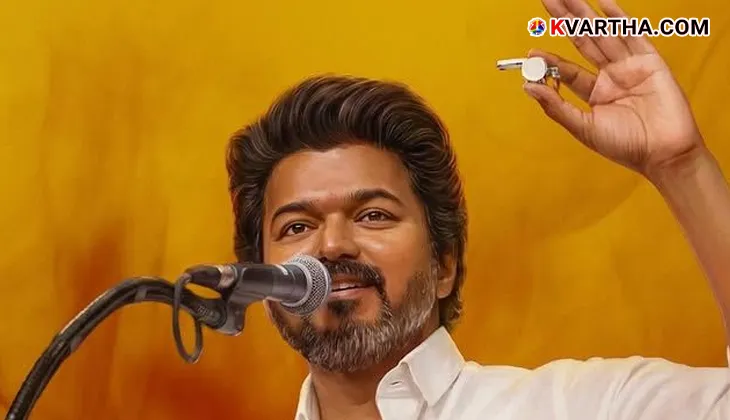
In a surprising twist of Tamil Nadu politics, Thalapathy Vijay’s party (TVK) leads as the single largest party in the 2026 Assembly Elections. This marks a significant shift from expectations where established parties like DMK and AIADMK were anticipated to dominate once again.
Before this election, many analysts speculated that the political landscape would remain unchanged. The DMK and AIADMK had long been entrenched in power, with a history of alternating governance. Yet, the emergence of TVK has disrupted this cycle.
On May 4, 2026, the results revealed that TVK secured an impressive 105 seats out of 234 total seats in the Assembly. In contrast, AIADMK trailed behind with 72 seats, while DMK found itself pushed to third place with only 57 seats.
This decisive moment not only showcases Vijay’s popularity but also indicates a shifting sentiment among voters who seem eager for new leadership. The victory is particularly striking given that this was TVK’s debut attempt in elections—a feat rarely seen in Indian politics.
Key statistics from the election:
- TVK: 105 seats won
- AIADMK: 72 seats won
- DMK: 57 seats won
- Total Assembly seats: 234
- Simple majority required: 118 seats
The implications for Tamil Nadu’s political future are profound. Analysts suggest that Vijay’s rise could signal a broader trend toward independent candidates gaining traction over traditional party affiliations. It raises questions about voter priorities—are they seeking change or simply disillusioned with established parties?
As experts weigh in on this unexpected turn of events, they note that Vijay’s ability to connect with younger voters likely played a crucial role. His celebrity status may have transformed him into a relatable figure for those who feel overlooked by conventional politicians.
This disruption highlights an evolving political landscape in Tamil Nadu—one where established parties must reassess their strategies to remain relevant amidst changing voter dynamics.
The next steps for TVK and its leaders will be closely scrutinized as they navigate governance and expectations from their supporters. Meanwhile, DMK and AIADMK will need to rethink their approaches if they hope to reclaim their former strongholds.