



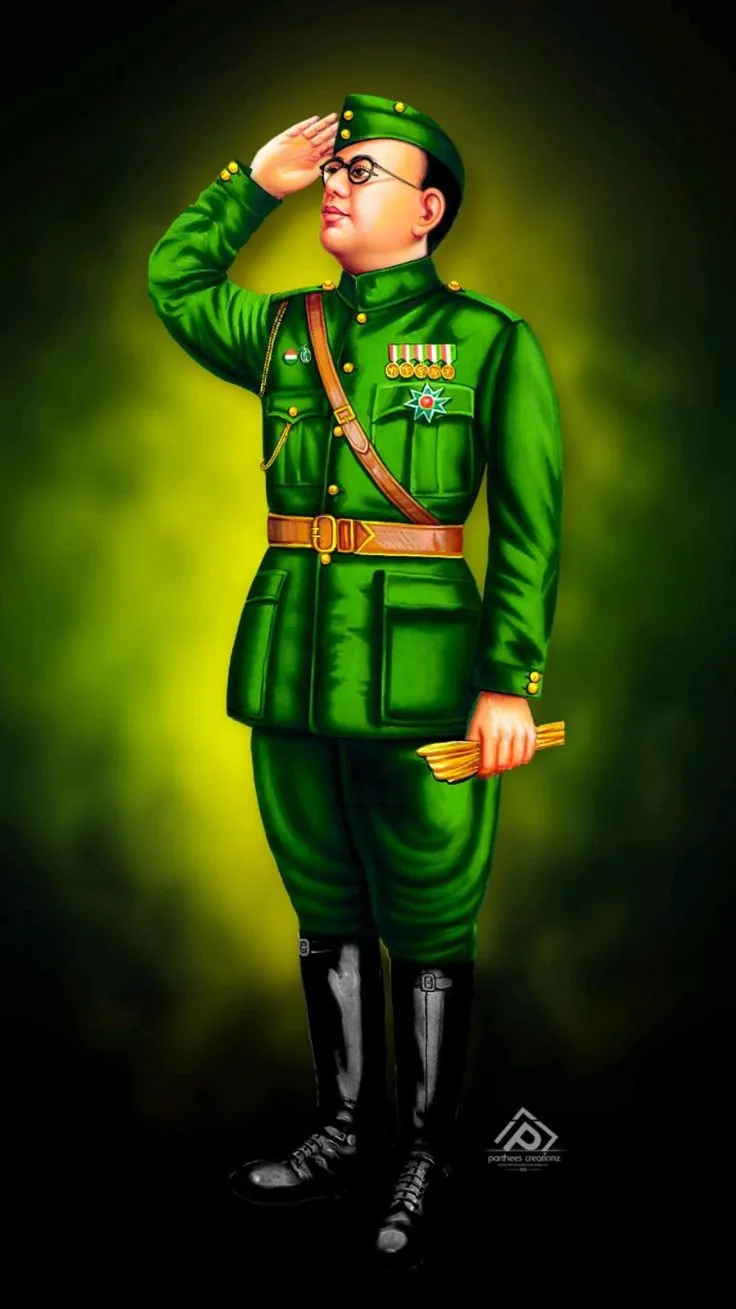
In a surprising twist during an election rally in Jaipur, Yogi Adityanath attributed a powerful quote by Subhash Chandra Bose to Swami Vivekananda. The quote, “Give me blood and I will give you freedom,” is etched in the annals of India’s independence struggle. Yet, the misattribution has sparked significant backlash.
The incident drew immediate criticism from the Trinamool Congress, with Mahua Maitra leading the charge. She pointed out that Swami Vivekananda did NOT say those words. This misstep raises questions about historical knowledge among political leaders.
Adityanath’s attempt to invoke Bose’s passionate call for sacrifice—historically resonant—seems to have backfired. The fervor behind Bose’s original statement was meant to inspire revolution against colonial rule. Misplacing such a quote undermines its power.
But why does this matter? Beyond the immediate political implications, it reflects a broader issue: how history is remembered and utilized in political discourse. Misattributions can distort public understanding and reverence for historical figures.
Furthermore, this isn’t an isolated incident. Political figures often wield historical quotes as weapons in their rhetoric. Each time they err, they risk rewriting narratives that should be preserved accurately.
The Trinamool Congress’s response highlights an ongoing tension in Indian politics regarding historical interpretation—a battleground where facts often become casualties. Observers are left wondering how this will affect public perception of both Adityanath and the BJP.
Details remain unconfirmed about whether this incident will have lasting repercussions for Adityanath’s campaign or for his party’s image. Historical accuracy—or the lack thereof—could become a pivotal theme as elections draw closer.
In a country rich with diverse histories and narratives, should we not expect our leaders to represent these stories faithfully? Or do we accept that political expediency sometimes trumps truth? The debate continues.