
The Karnataka SSLC Result 2026 is just around the corner. Set to be declared on April 23, 2026, at precisely noon, this announcement is significant for students across the state.
This year, an impressive total of 902,889 students registered for the exams. Among them, 812,855 were fresh candidates eager to prove themselves. The stakes are high—students need to score at least 35% in each subject to pass.
The SSLC exams took place from March 18 to April 2, conducted across 2,871 centers statewide. Such a massive undertaking reflects both the challenges and the opportunities inherent in education today.
Interestingly, three students achieved a perfect score of 100%. Their remarkable achievement stands out amid an overall pass percentage of 57.61% last year. It raises questions about what factors lead to such success and how we can replicate it.
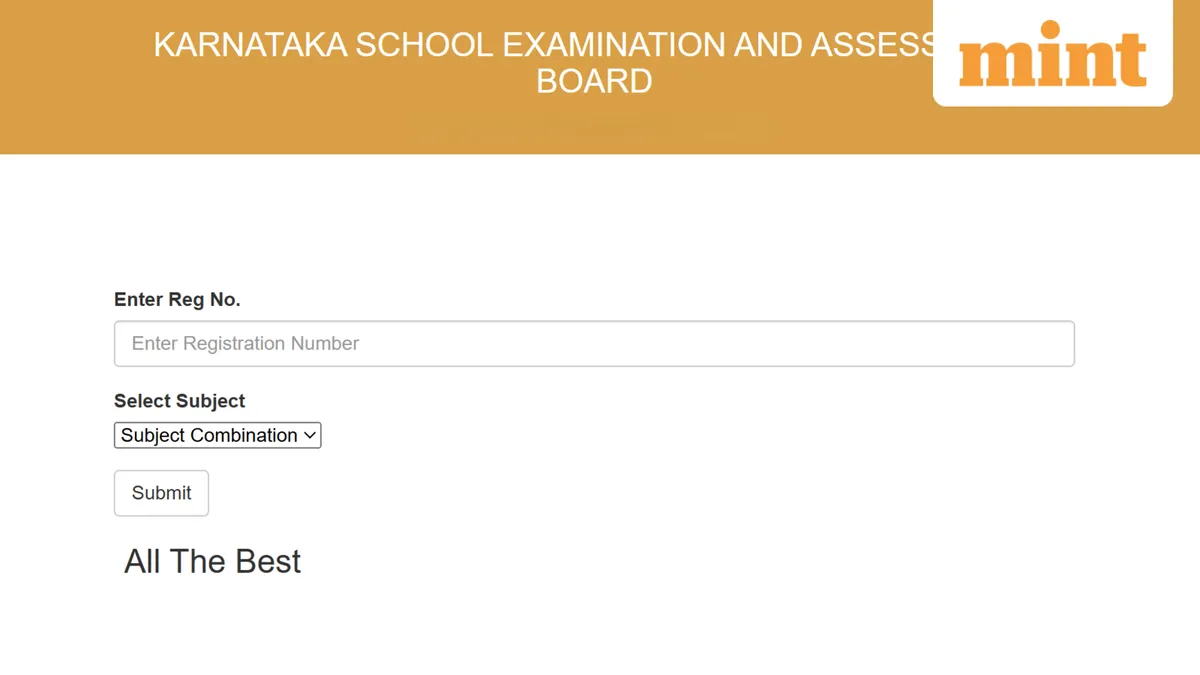
The results will be available through multiple platforms: students can check via SMS, DigiLocker, or the KarnatakaOne app. This multifaceted approach makes access easier for everyone involved.
The Karnataka School Examination & Assessment Board (KSEAB) oversees this process. Their commitment to transparency and accessibility is commendable—yet it also highlights the pressure on students as they await their results.
What do these numbers mean in a broader context? Education in India is evolving rapidly, and with it comes an increasing expectation for accountability from both institutions and students.
As we approach the result date, reactions are already brewing among students and parents alike. Some are anxious; others more optimistic. But one thing is clear: this moment is pivotal.
The anticipation builds as we count down to April 23rd—what will the results reveal about our educational system? Details remain unconfirmed about any last-minute changes or announcements from KSEAB.
This isn’t just about passing or failing; it’s about futures and dreams being shaped in real-time. How will these results influence educational pathways for nearly a million students? Only time will tell.