

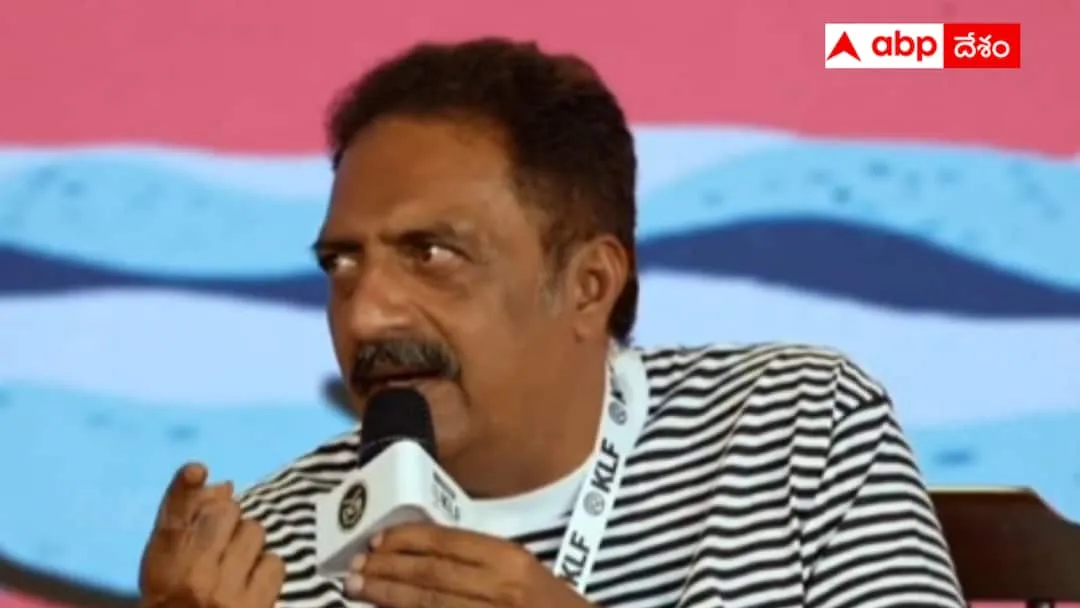
On April 17, 2026, at a literary festival in Kerala, actor Prakash Raj stirred controversy with his comments about the revered figure of Lord Rama. He described Rama and his brother Lakshmana as migrant workers from North India, a perspective that many found provocative.
Raj’s remarks didn’t stop there. He claimed that these characters—central to the epic Ramayana—stole fruits from Ravana’s orchard, which he framed as the catalyst for their conflict. This narrative twist angered many, as it seemed to trivialize a sacred story.
Almost immediately, Hindu organizations and netizens took to social media to express their outrage. Critics accused Raj of distorting the Ramayana for political gain, suggesting that his comments were an attempt to incite regional differences between North and South India.
But why would he choose such a contentious angle? Some argue that it reflects a broader trend of using religious narratives for contemporary political purposes. The Ramayana is not just a story; it’s a cornerstone of cultural identity for many Hindus.
Social media users condemned his remarks as “unforgivable,” asserting that they undermine the very fabric of Hindu beliefs. One user remarked, “Prakash Raj narrates a made-up version of Ramayana to mock Hindus.” This sentiment captures the frustration felt by many who see his comments as an affront.
Furthermore, accusations arose that Raj was promoting beef eating through his interpretation—an incendiary topic in Indian society where dietary practices are often linked to religious identity.
The controversy raises important questions about the intersection of culture and politics in India. Is it acceptable to reinterpret sacred texts for modern narratives? Or does this lead to a dangerous distortion of traditional values?
As the backlash continues, it’s clear that these events matter deeply for those involved. For Prakash Raj, this could mean facing significant repercussions in both his career and public perception.
Currently, details remain unconfirmed regarding any formal responses from Raj or further actions by Hindu organizations. The tension lingers—what will be the long-term impact of this incident on cultural discourse in India?