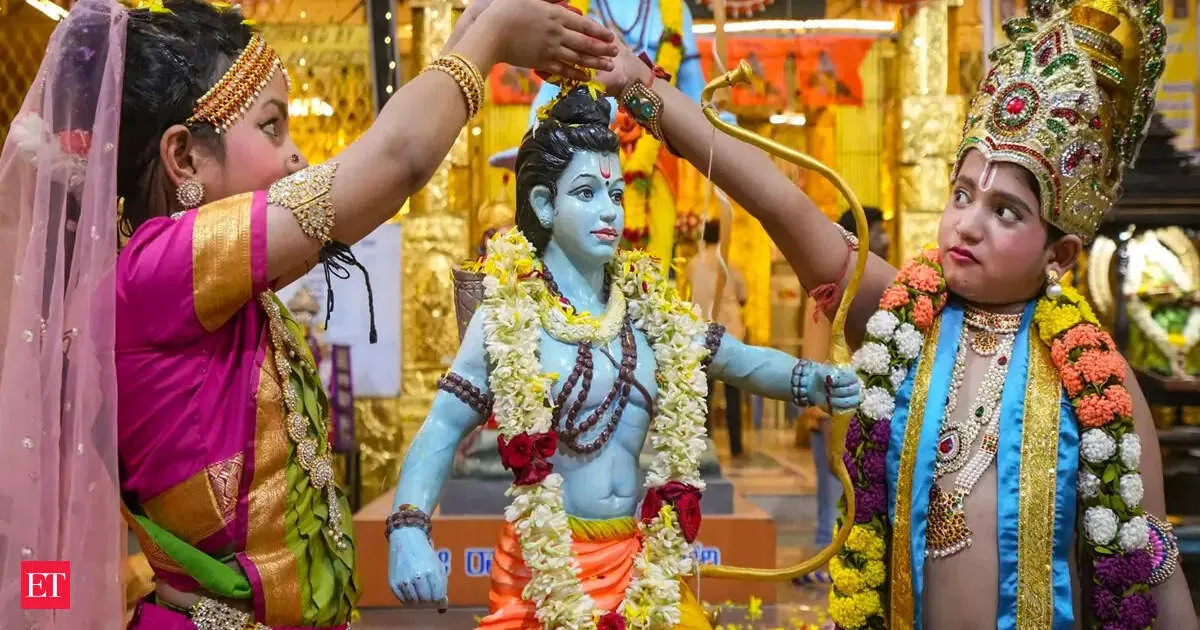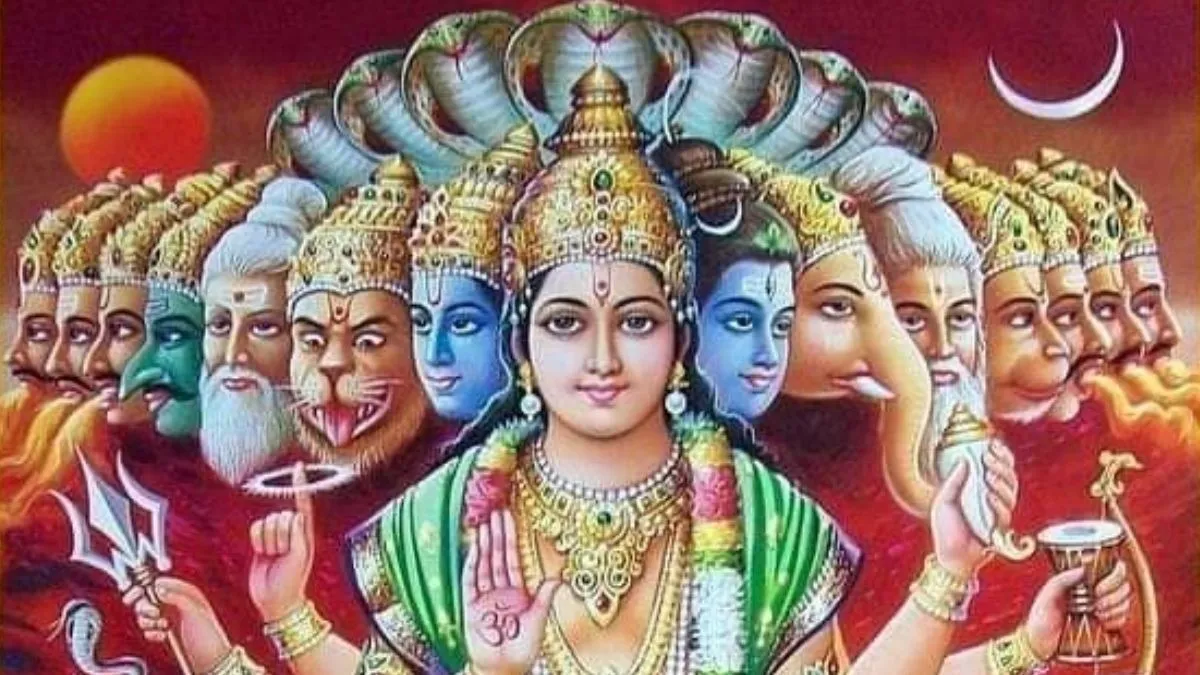




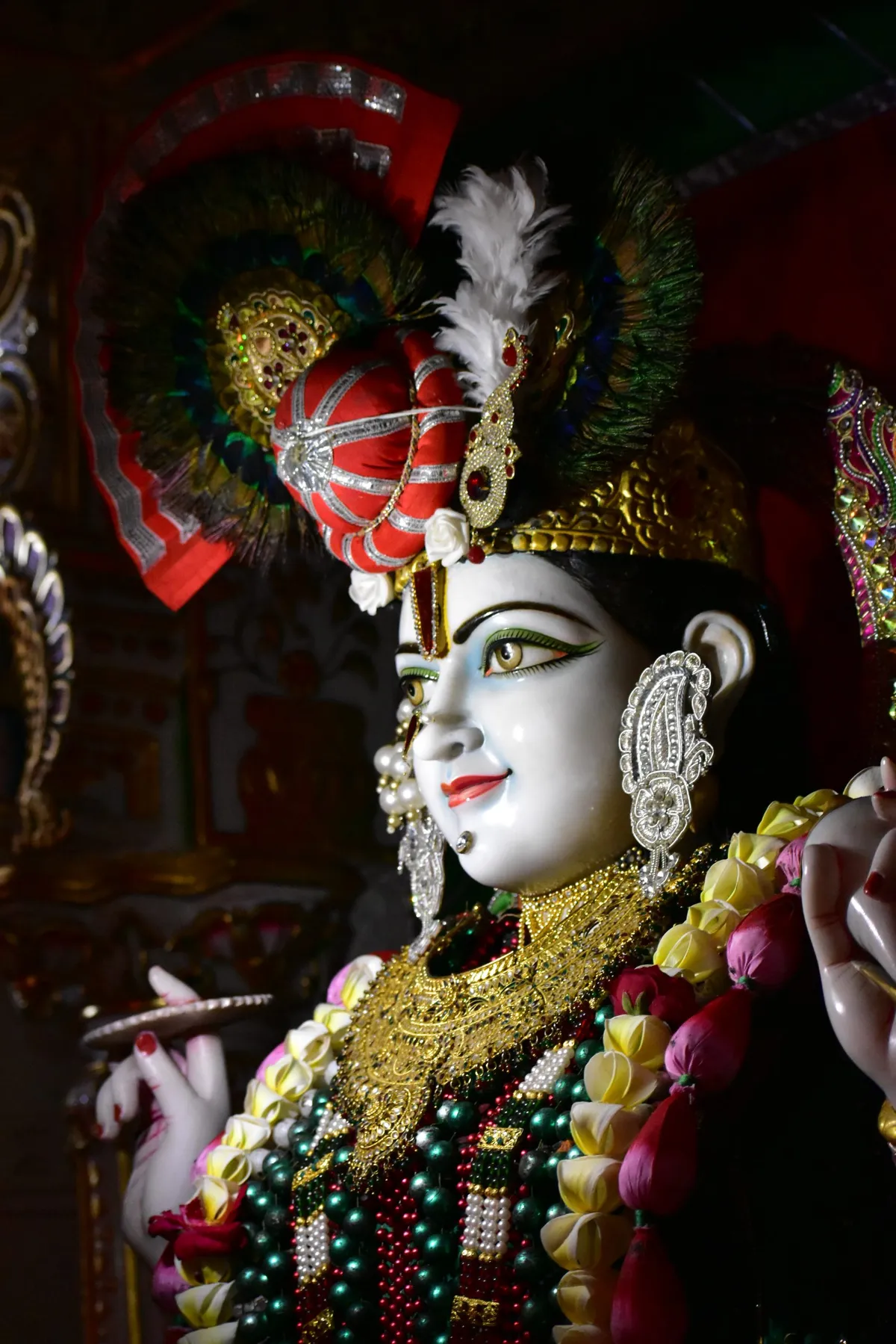
Mohini Ekadashi 2026 falls on April 27, a day steeped in rituals and spiritual significance. Devotees will observe fasting and read the vrat katha, all aimed at cleansing sins.
This particular Ekadashi occurs during the Shukla Paksha of the Vaishakha month. The next day, April 28, marks the Parana, when devotees break their fast.
On this day, special worship is dedicated to Lord Vishnu in his enchanting Mohini form. It’s fascinating how this festival intertwines fasting with deep devotion—one could argue that such practices strengthen community bonds.
Historically, the vrat katha tells of Dharmapal’s son Drishtabuddhi. He sought atonement for his sins under the guidance of Rishi Kaundinya. This narrative serves as a moral compass for many devotees.
Reading the vrat katha isn’t just a ritual; it’s an invitation to reflect on one’s actions. It encourages individuals to seek forgiveness while reinforcing their commitment to Vishnu worship.
Interestingly, many devotees also engage in acts of charity on Mohini Ekadashi. Donations to the poor are common—a beautiful blend of spirituality and social responsibility.
But why do these rituals matter so much? They offer a sense of renewal and hope. In a world filled with chaos, such observances provide clarity.
As we approach this sacred day in 2026, one wonders how many will participate in these time-honored traditions. Will the essence of devotion continue to resonate with younger generations?
The energy surrounding Mohini Ekadashi is palpable—it’s not just about personal atonement but collective spiritual growth. Observers anticipate a vibrant celebration this year.