



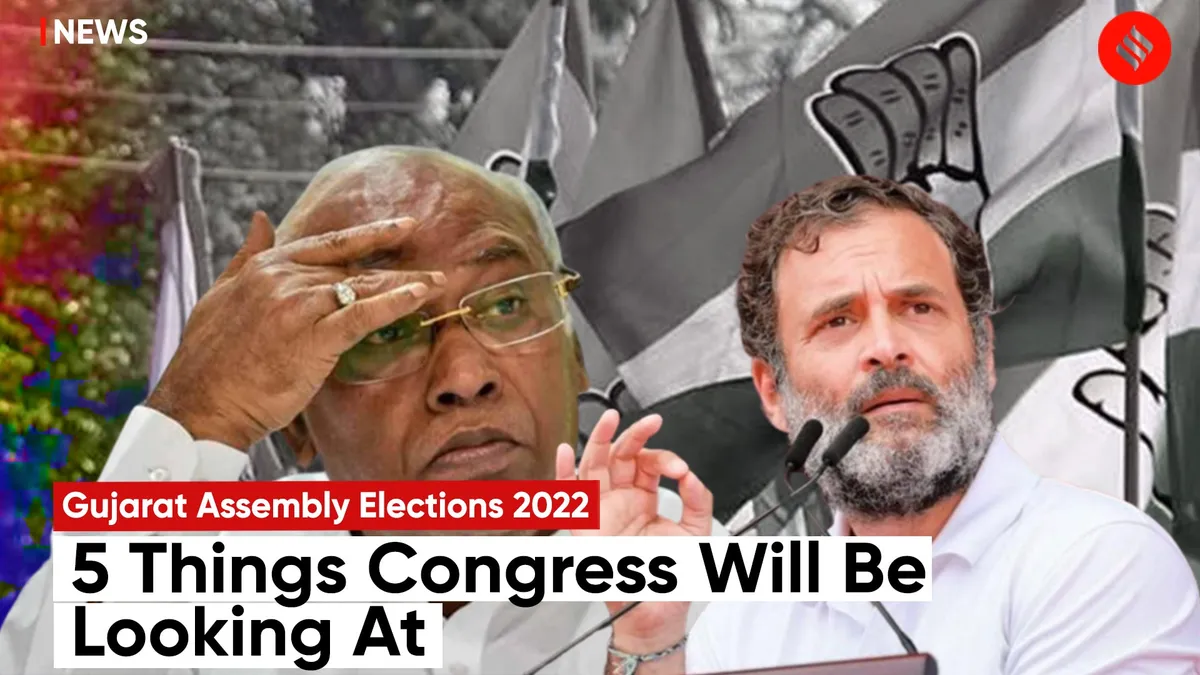
The recent Gujarat local body elections have solidified the Bharatiya Janata Party’s (BJP) grip on power, with the party winning a staggering 3,750 seats out of over 9,200 available. This outcome underscores the BJP’s dominance across both urban and rural areas of Gujarat.
Before this election, many analysts speculated whether the BJP could maintain its stronghold amidst growing discontent. The Congress party had hoped to capitalize on any dissatisfaction among voters. However, what transpired was a decisive moment that showcased the BJP’s unwavering support.
The immediate numbers are striking:
- BJP won all 15 municipal corporations in Gujarat.
- BJP secured 33 out of 34 district panchayats.
- BJP claimed 467 out of 493 declared seats in municipal corporations.
- BJP took 568 out of 1,090 seats in district panchayats.
- BJP won 2,397 seats out of 5,234 in taluka panchayats.
On the flip side, Congress managed to secure only 20 seats in municipal corporations and a mere 192 seats across municipalities. Their performance indicates a significant gap between them and the ruling party. Even in Surat Municipal Corporation, where they won just one seat, their struggle became evident.
The Aam Aadmi Party (AAP) also faced challenges, registering limited success with only a handful of seats. This raises questions about their strategy moving forward in Gujarat politics.
Experts suggest that these election results reflect not just party popularity but also voter sentiment at the grassroots level. The elections encompassed various local bodies—15 municipal corporations, 84 municipalities, 34 district panchayats, and 260 taluka panchayats—each serving as a critical indicator of political strength.
The implications for Gujarat politics are profound. With such overwhelming victories, the BJP is likely to strengthen its policies and initiatives further. Meanwhile, Congress and AAP must reevaluate their approaches if they hope to regain ground in future elections.
This electoral landscape poses an intriguing question: Can opposition parties adapt swiftly enough to challenge the entrenched power of the BJP?