



A magnitude 7.7 earthquake struck off Japan’s northern coast, sending ripples of alarm through coastal communities. The Japan Meteorological Agency quickly issued a tsunami alert, warning of waves potentially reaching up to three meters high.
At 4:53 PM local time, the earthquake rattled the region, leading to evacuations as authorities urged residents to seek higher ground. Tsunami waves as high as 80 cm were detected shortly after the quake—though fortunately, Japan lifted the tsunami warning soon after.
This incident serves as a stark reminder of Japan’s seismic reality. The country experiences about 1,500 earthquakes each year, accounting for nearly 18 percent of the world’s seismic activity. The memories of the devastating magnitude 9 earthquake and tsunami in 2011 still linger in the minds of many, when about 18,500 people lost their lives.
Prime Minister Sanae Takaichi emphasized safety in her message: “For those of you who live in areas for which the warnings have been issued, please evacuate to higher, safer places such as higher ground.” Such calls to action are not uncommon in a nation accustomed to living with seismic threats.
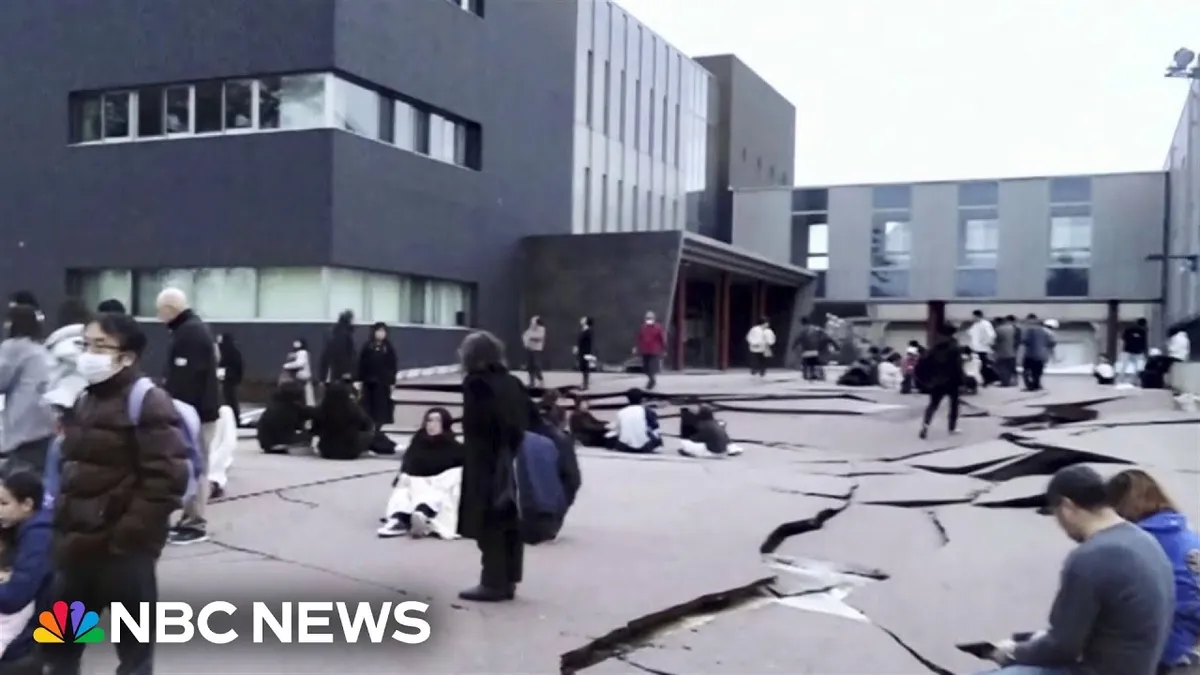
Interestingly, while this quake was significant, no immediate signs of damage were reported at several ports in Iwate—an area often vulnerable to such natural disasters. Still, details remain unconfirmed regarding any casualties or property damage.
As we process this event, it’s worth noting that a special advisory has warned of an increased risk of future earthquakes at magnitudes of 8.0 or stronger. What does this mean for the residents? They must remain vigilant and prepared for further seismic activity.
In essence, Japan’s relationship with earthquakes is complex and fraught with tension—balancing preparedness with the unpredictability of nature. How will communities adapt and respond in light of these ongoing threats? Only time will tell.