




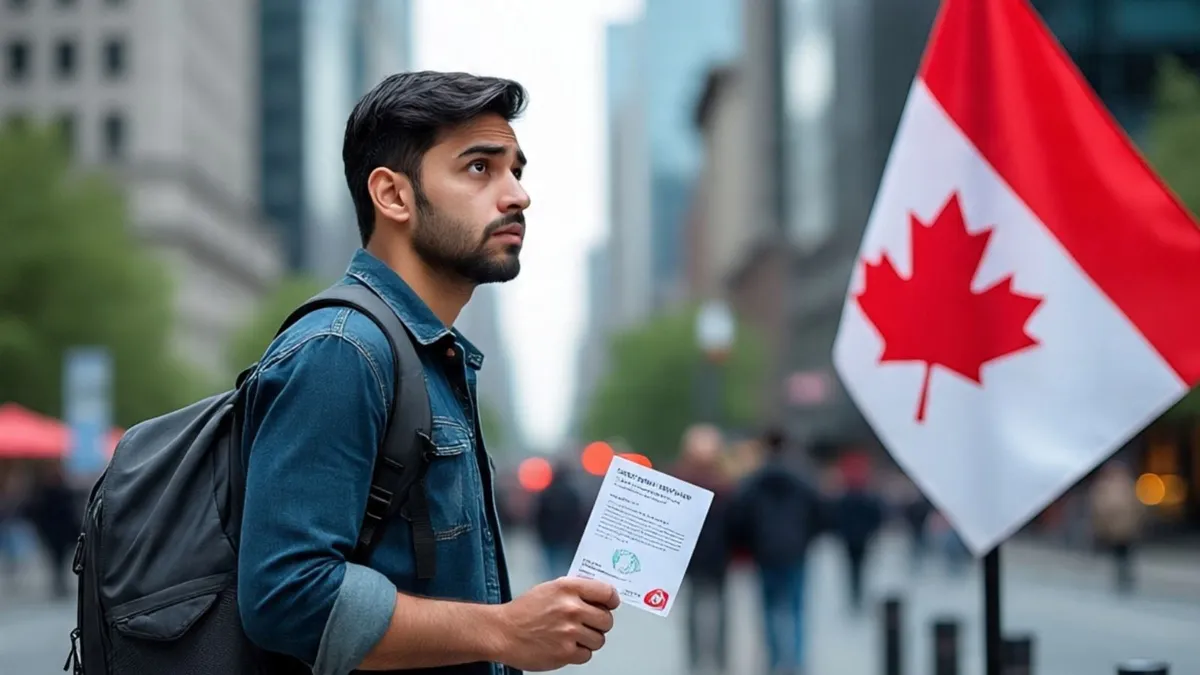
Jyoti Kharayat’s Instagram video captures a striking reality: the relentless cycle of work and study faced by many international students in Canada. For her, studying abroad has morphed into a balancing act, where every hour is accounted for between classes and shifts at Starbucks.
Before this, many expected that studying in Canada would be a transformative experience—one filled with academic growth and cultural exploration. But the truth is often less glamorous.
The decisive moment for Kharayat came when she realized she was stuck. “I am stuck in a loop,” she shared candidly. Her daily routine is a blur of lectures, assignments, and part-time jobs to cover tuition fees. This isn’t just her story; it resonates with countless international students who share similar challenges.
Financial pressures loom large. Many international students rely on part-time jobs to manage their tuition and living costs. They often find themselves caught in a cycle where education, which should be enlightening, becomes an exhausting grind.
Kharayat’s experience sheds light on the broader issue. Experts point out that while working can provide essential financial relief, it can also detract from academic performance. Many students struggle to find the right balance.
Yet, despite her hectic schedule, Kharayat expresses happiness. “If you are happy that’s enough for a life,” she states—a refreshing perspective amid the chaos. Her optimism shines through social media interactions where many users rally for motivation.
But what does this mean for future international students? Will they continue to face these same pressures? The landscape of study abroad is changing, but not necessarily for the better.
In essence, while Jyoti Kharayat’s story highlights personal resilience, it also mirrors a systemic issue affecting many. The pressure to perform academically while working long hours raises questions about sustainability in this model.
As we look ahead, one wonders: how will institutions adapt to support students like Kharayat? Will there be shifts in policy that acknowledge these financial realities?