



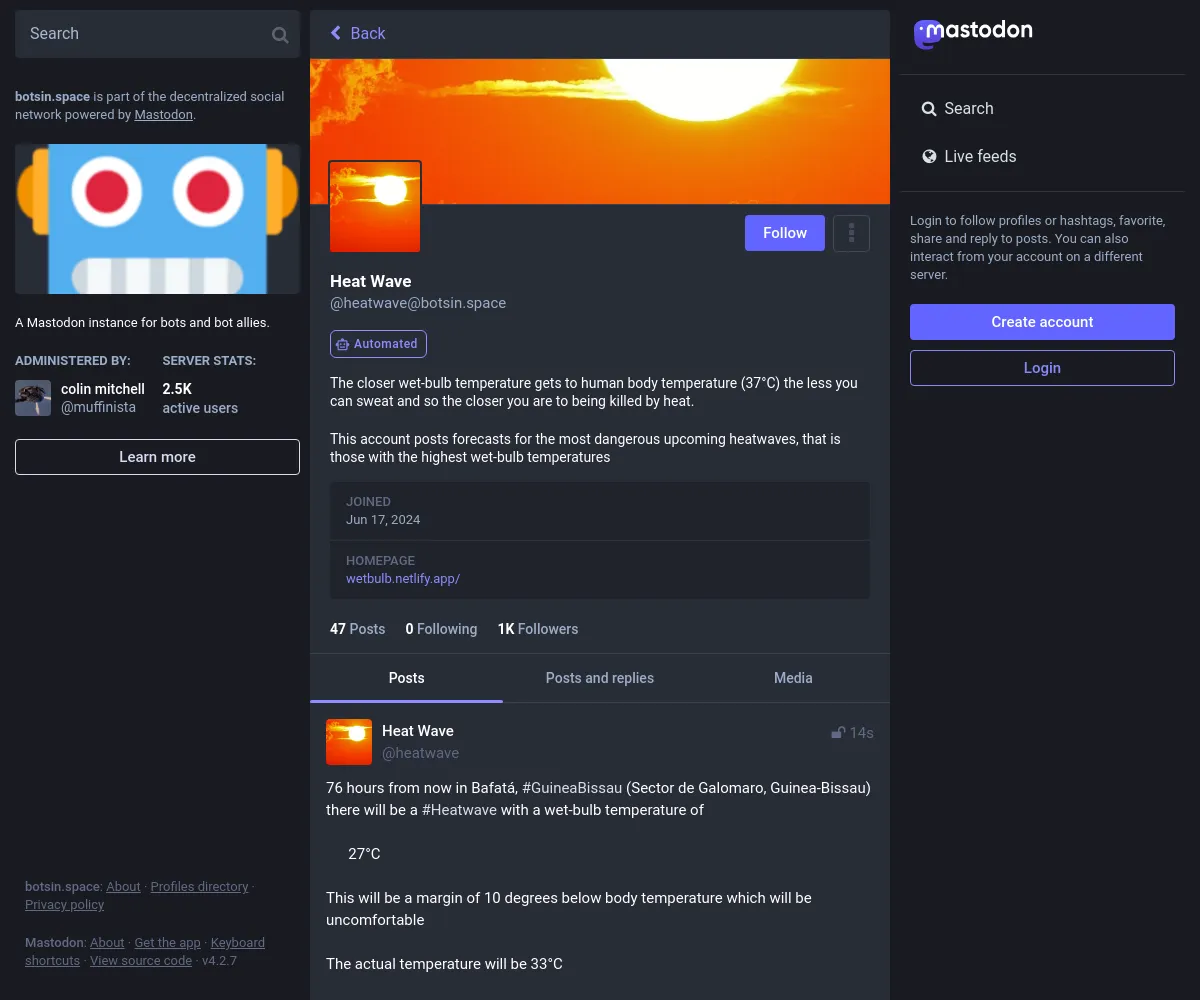
The increasing frequency of heat waves in India is prompting states to rethink and advance summer vacation schedules for schools. Temperatures in North India are expected to spike up to 45 degrees Celsius, making the traditional school calendar less tenable. In response, several states have declared summer holidays for schools ahead of schedule.
For instance, the Odisha government announced early summer vacations starting from April 27, 2026. Chhattisgarh has also brought forward its summer holidays to begin on April 20, 2026. At least ten states have adopted this proactive measure since 2022—an indication of how climate realities are reshaping educational policies.
But it’s not just about taking a break; it’s about ensuring safety. Schools in Uttar Pradesh have adjusted their timings to run from 7:30 am to 12:30 pm. This change aims to protect children from the sweltering afternoon heat. Meanwhile, Delhi has initiated a ‘water bell’ program, reminding students to stay hydrated during school hours.
Neha Sharma, an education expert, points out that “schools design elaborate and extensive curricula, but they often fail to manage them effectively in accordance with challenging weather conditions.” This suggests that while early vacations help, they may not solve the underlying issues of adapting education systems to climate change.
Brian Seymour echoes this sentiment, stating, “The weather has become unpredictable and is regularly changing.” His observation highlights a broader concern about how educational institutions can keep pace with environmental shifts.
On the other hand, Nandita Sinha Roy argues that advancing summer vacations doesn’t disrupt academic calendars if planners prepare well in advance. This perspective invites a critical look at how educational frameworks can flexibly adapt without compromising learning outcomes.
As these changes unfold, one must wonder: what will be the long-term implications for education in a country grappling with climate extremes? The next few years could reveal whether these adjustments lead to better health outcomes for students or merely serve as temporary fixes against an increasingly harsh climate.