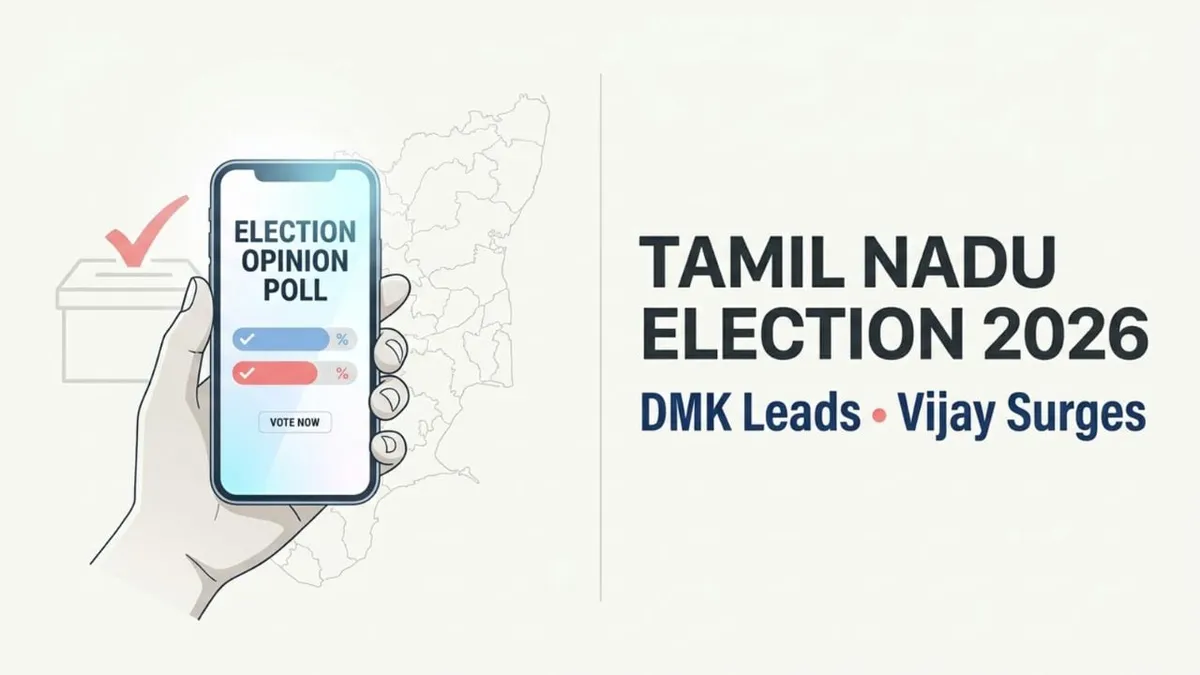




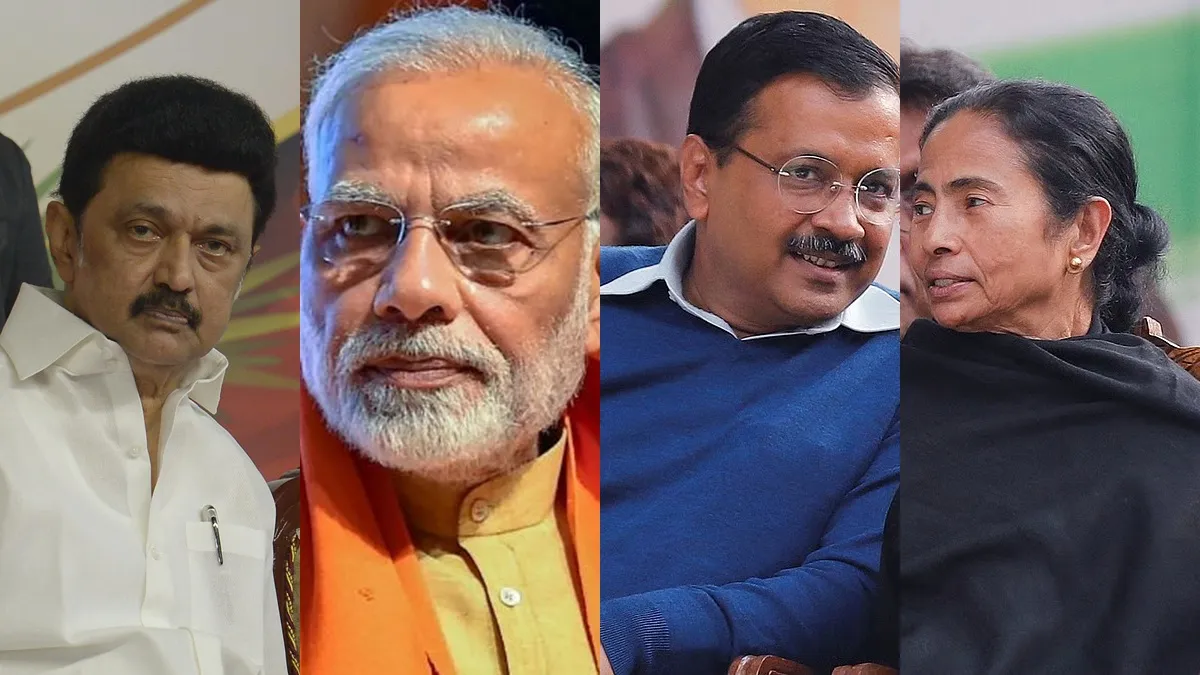
The DMK recently posed a striking question: ‘How is it that the anti-incumbency wave is only seen in opposition-ruled states?’ This inquiry comes amidst a political landscape where the BJP has dominated for years, particularly in states like Madhya Pradesh and Assam.
For about two decades, the BJP has maintained power in Madhya Pradesh, with only brief interruptions. In Bihar and Assam, they have consistently secured re-election. Meanwhile, opposition parties have grappled with significant anti-incumbency challenges in regions such as Delhi and Punjab.
DMK leaders argue that this discrepancy raises crucial concerns. They wonder why voters seem to hold opposition parties accountable while the BJP appears almost immune to similar scrutiny. ‘We need to understand this reality,’ they assert, pointing to a puzzling dynamic that merits deeper analysis.
Interestingly, the DMK also highlights how media narratives often portray the BJP as an unbeatable force. This perception could influence voter sentiment and behavior—especially when considering rising prices and unemployment as pressing issues facing many citizens.
Moreover, they argue that voter fragmentation in northern states benefits the BJP. This fragmentation complicates the electoral landscape and may dilute anti-incumbency sentiments against them. Yet, one must question whether this is a strategic advantage or simply a reflection of broader political trends.
As tensions rise ahead of upcoming elections, DMK’s critique sheds light on a critical aspect of governance: ‘Why are the actions of BJP-ruled states not weighed on the same scale as ours?’ This question lingers as both parties prepare for what could be pivotal contests.
With the DMK firmly in power in Tamil Nadu under Stalin’s leadership, they are poised to challenge these narratives head-on. The coming months will likely reveal whether their concerns resonate with voters or if they fall on deaf ears amid a complex political tapestry.