



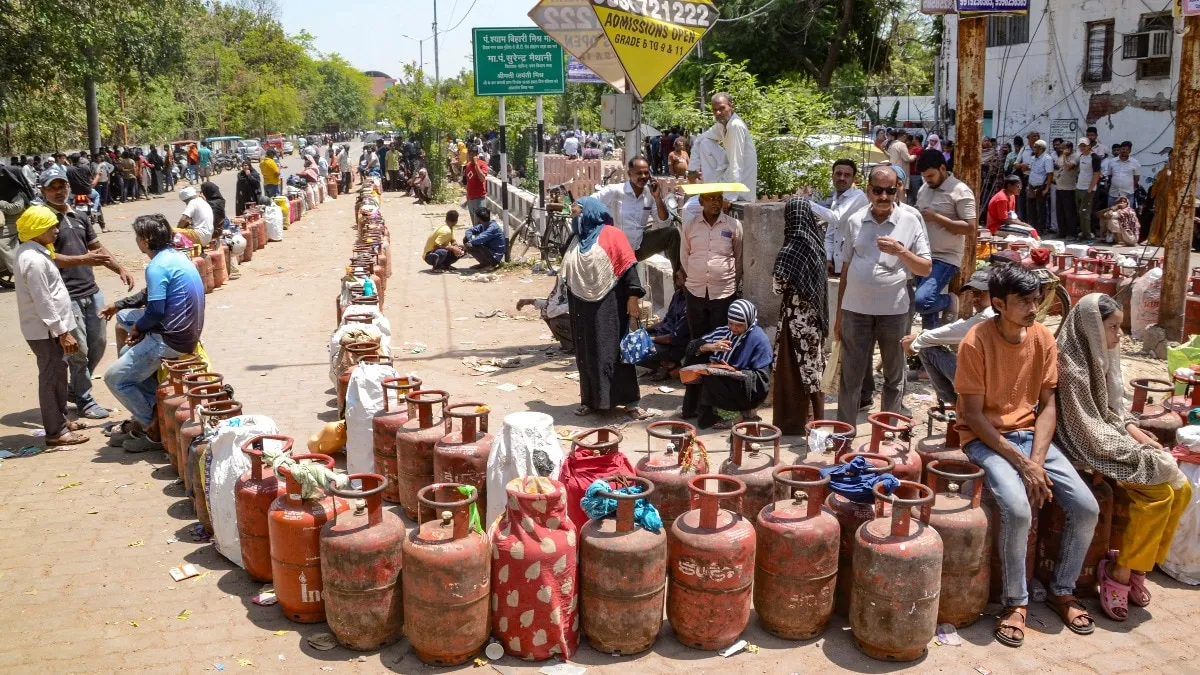
The West Asia conflict that erupted in late February has significantly impacted global energy markets, leading to a sharp increase in gas cylinder prices in India. Households are feeling the pinch—just recently, the price of a 14.2 kg domestic LPG cylinder went up by Rs 60. This is not just an isolated incident; commercial cylinder prices have also soared, with a staggering Rs 196 hike in April alone.
In response, the Indian government is tightening LPG booking rules. The interval between bookings has shifted from 21 days to 25 days in urban areas and up to 45 days in rural regions. This move seems counterintuitive at first glance—why would stricter rules be implemented during a crisis? Yet, it reflects a push towards conservation and efficiency amid rising costs.
Moreover, the government is encouraging households to transition to piped natural gas (PNG). This shift isn’t just a suggestion; it’s becoming mandatory. Households with PNG connections can no longer surrender their domestic LPG connections, and if they don’t switch within three months of availability, their LPG supply will cease.
This initiative aligns with the broader goals of the Pradhan Mantri Ujjwala Yojana, aimed at providing cleaner cooking fuel to millions. However, there’s a catch—Aadhaar-based biometric authentication is now required for beneficiaries who haven’t completed their eKYC process yet. It raises questions about accessibility and the digital divide.
Interestingly, around 5.45 lakh PNG connections have been established since March 2026, indicating a significant shift in consumer behavior. But will this trend continue? Observers note that further revisions in LPG prices are anticipated from May 1, 2026, which could influence household decisions on fuel sources.
As we navigate this complex landscape of energy choices and pricing pressures, one can’t help but wonder: Are these measures enough to secure energy stability for Indian households? Or will the push towards PNG leave some behind?