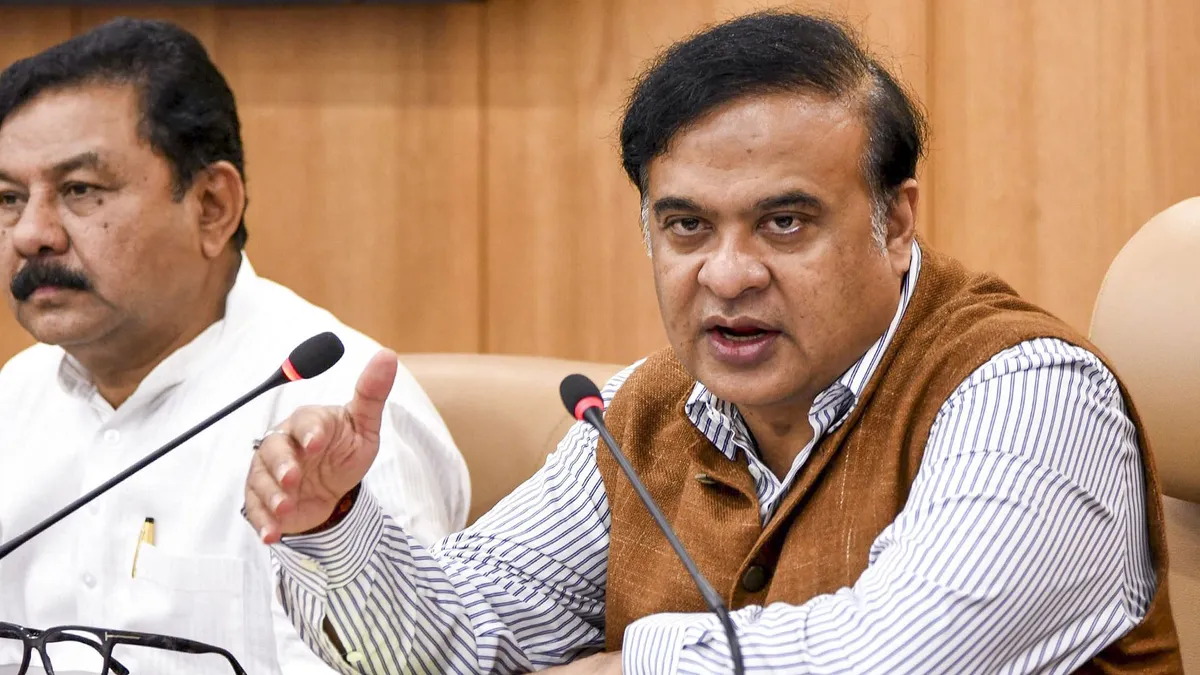





On April 16, 2026, the geopolitical landscape shifted once again. In Moscow, Russia presented a proposal to transfer all of Iran’s enriched uranium to its territory. The aim? To alleviate rising tensions in the region. It seemed like a diplomatic lifeline.
But America had other plans. The US flatly rejected this proposal. Dmitry Peskov, the Kremlin spokesperson, expressed disappointment: “We were ready to accept Iran’s enriched uranium on Russian soil. This would have been a very good decision, but unfortunately, America rejected this proposal.” This rejection isn’t merely procedural; it’s indicative of deeper rifts.
Earlier, in June of the previous year, Russia had made a similar overture—an effort to stabilize a precarious situation. Yet here we are again, with Iran asserting that its enriched uranium is solely for peaceful energy purposes. Who decides what’s peaceful?
The implications are profound. The rejection complicates an already unstable regional dynamic. Just days before this latest development, the UAE warned that it might have to pivot to using Chinese yuan for oil trades if the Iran-US conflict escalates further.
This isn’t just talk. The UAE central bank governor hinted at a looming crisis in dollar availability due to ongoing hostilities. In fact, during the first 40 days of the conflict, the US reportedly spent $2 billion per day—an astronomical figure reflecting the stakes involved.
And as tensions mount, Iran has not remained passive; it has launched around 2,800 drones and missiles targeting UAE sites. This raises questions about the effectiveness of traditional diplomacy in such a volatile context.
So what does this all mean? For those involved—be it Russia, Iran, or the UAE—the stakes couldn’t be higher. Each decision reverberates across borders and into economies already strained by conflict.
Details remain unconfirmed regarding how this rejection will specifically affect regional stability moving forward. But one thing is clear: the path ahead is fraught with uncertainty.