



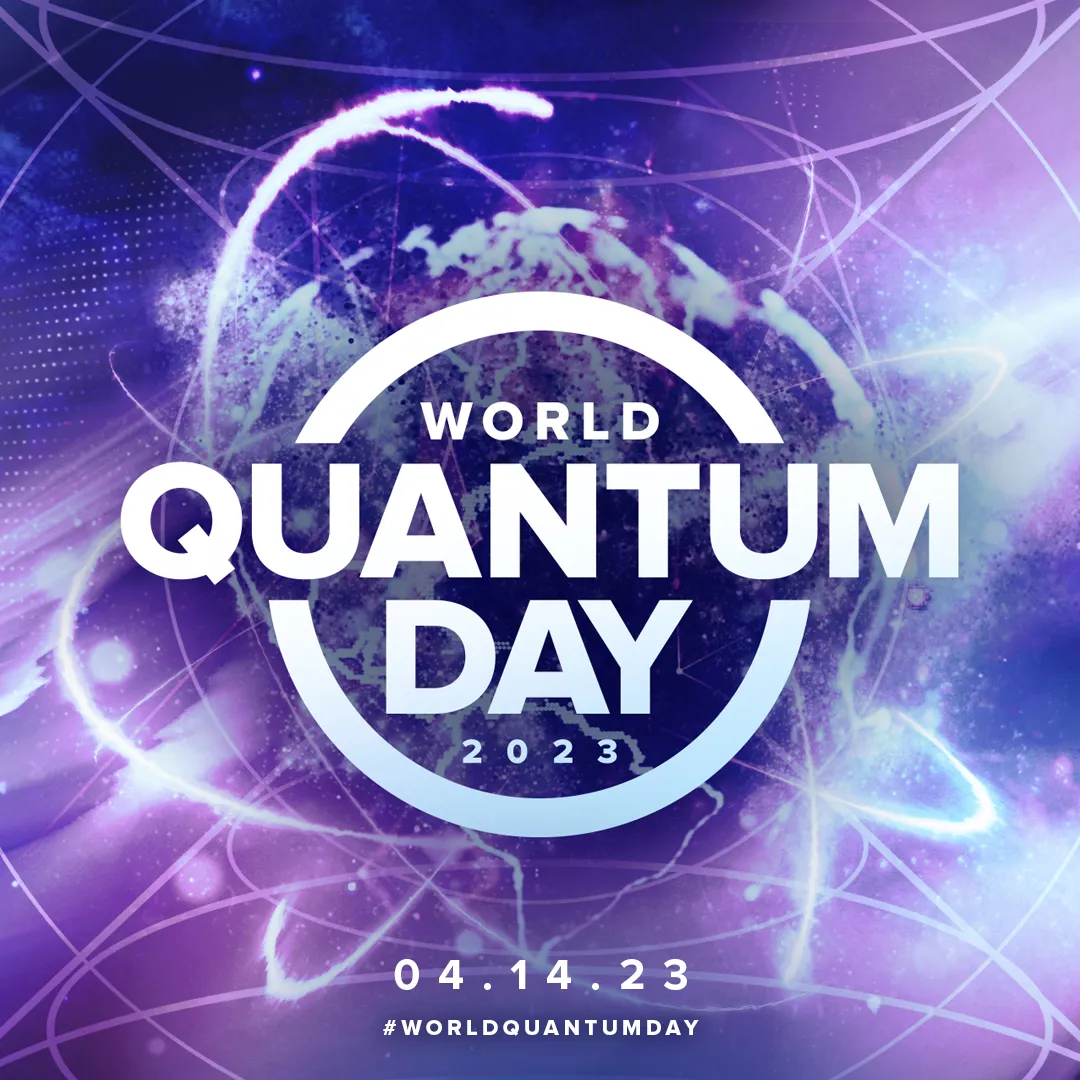
As we approach April 14, 2026, the significance of World Quantum Day continues to grow. Launched in 2021 by an international network of scientists, this annual outreach effort is dedicated to raising public awareness of quantum science and technology. The choice of date is not arbitrary; it reflects the first three digits of the Planck constant, 4.14, a fundamental value in quantum mechanics.
World Quantum Day has quickly become a platform for engaging the public with quantum concepts. The event features a variety of activities, including lectures, lab tours, workshops, and online programming. These initiatives aim to demystify quantum science, showcasing its relevance and potential in everyday life.
Notably, the event serves as a reminder of the advancements made since Richard Feynman first observed the need for quantum computers in 1981. Today, the technology is real, and applications are emerging, with organizations increasingly transitioning to post-quantum cryptography—38% of them, according to recent statistics.
Experts emphasize the importance of this recognition. Aditya Singh states, “World Quantum Day is not a celebration of what quantum computing will be — it is a recognition of what it already is.” This perspective highlights the tangible progress in quantum technology, which is no longer just theoretical.
However, challenges remain. Dan Holme points out, “On World Quantum Day, now is the time to recognize that more still needs to be done to close the gap between laboratory breakthroughs and real-world quantum deployment.” This gap underscores the need for continued investment and research in the field.
The UK has made significant commitments to quantum technology, with £2 billion allocated for its Quantum Leap funding and £180 million dedicated to its National Timing Centre programme. These investments reflect a broader global trend towards harnessing quantum capabilities.
Looking ahead, the timeline for achieving quantum advantage is compressing, as noted by Jan Goetz. The future of quantum technology will not be defined by a single approach but rather by multiple architectures working together, as Trevor Lanting suggests.
As World Quantum Day approaches, it serves as both a celebration of current achievements and a call to action for future advancements in quantum science. The journey is just beginning, and the implications for technology and society are profound.