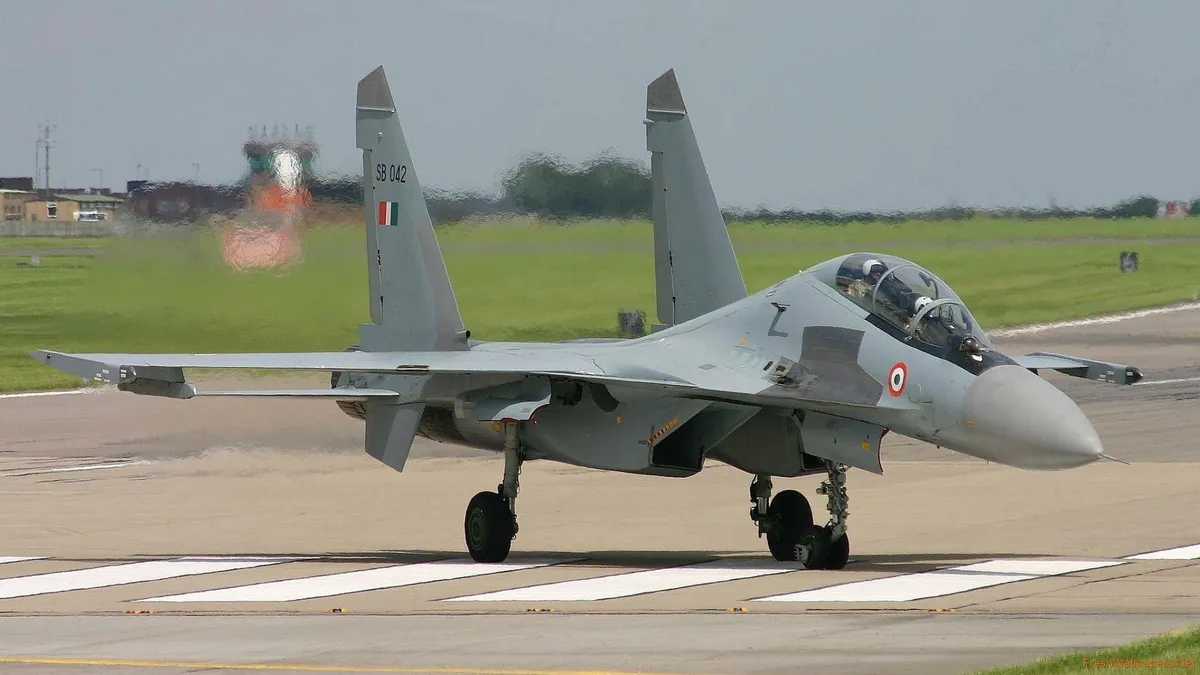



The long-standing conflict between India and Pakistan over Kashmir has seen yet another escalation with the recent military operation known as Operation Sindoor. This operation, which commenced shortly after a terrorist attack in Kashmir, has drawn attention not only for its military implications but also for its impact on the political landscape in both nations. The operation, conducted from May 7 to May 11, 2025, was characterized by intense aerial engagements, marking a significant shift in how both countries approach military confrontations.
In the wake of the operation, Indian Prime Minister Narendra Modi described the ceasefire that followed as a “pause” in Operation Sindoor, signaling a temporary halt rather than a definitive end to hostilities. This framing has sparked discussions within India, particularly among Modi’s supporters and critics alike. The ceasefire came after four days of military action, which has been viewed as a demonstration of India’s military capabilities and resolve.
Pakistan, on the other hand, has responded to the operation with a sense of national pride, declaring May 11, 2025, as Yom-e-Tashakkur, or the Day of Thanks. This celebration reflects a shift in the political dynamics within Pakistan, particularly benefiting Army Chief Asim Munir, who has emerged as a key figure in navigating the country’s response to India’s military actions. Observers note that the operation has bolstered the military’s standing in Pakistan, at a time when political stability is crucial.
As the dust settles from Operation Sindoor, the implications for India-Pakistan relations are profound. Historically, both nations have rejected external mediation in their disputes, adhering to the principles outlined in the 1972 Shimla Agreement, which emphasizes bilateral resolution. However, the recent escalation has drawn the attention of international observers, including former U.S. President Donald Trump, who has suggested a role for the U.S. in mediating the conflict. This has led to a deterioration of India’s ties with the U.S., complicating an already fraught relationship.
India’s Parliament has long affirmed Jammu and Kashmir as an integral part of India, and the Modi government faces significant backlash from Hindutva constituencies regarding the ceasefire. Critics argue that the decision to halt military operations may undermine India’s position in future negotiations. S. Jaishankar, India’s External Affairs Minister, remarked, “Pakistan’s shuttle diplomacy is something that many in India are having trouble coming to terms with,” highlighting the complexities of diplomatic relations in the aftermath of military engagements.
As both nations possess nuclear weapons, the stakes of their conflicts are alarmingly high. The potential for escalation into a larger conflict remains a pressing concern for regional and global stability. Observers are now watching closely to see how both governments will navigate the aftermath of Operation Sindoor, especially in light of the ongoing tensions and the potential for renewed dialogue or further military action.
Looking ahead, the situation remains fluid. While some analysts suggest that the ceasefire could pave the way for renewed diplomatic efforts, others warn that the underlying issues remain unresolved. The only realistic solution on Kashmir, as some experts argue, is for both sides to accept the Line of Control as an international boundary, a proposition that has historically been met with resistance from both governments. As the international community observes these developments, the future of India-Pakistan relations hangs in the balance, with the potential for both conflict and cooperation looming on the horizon.