




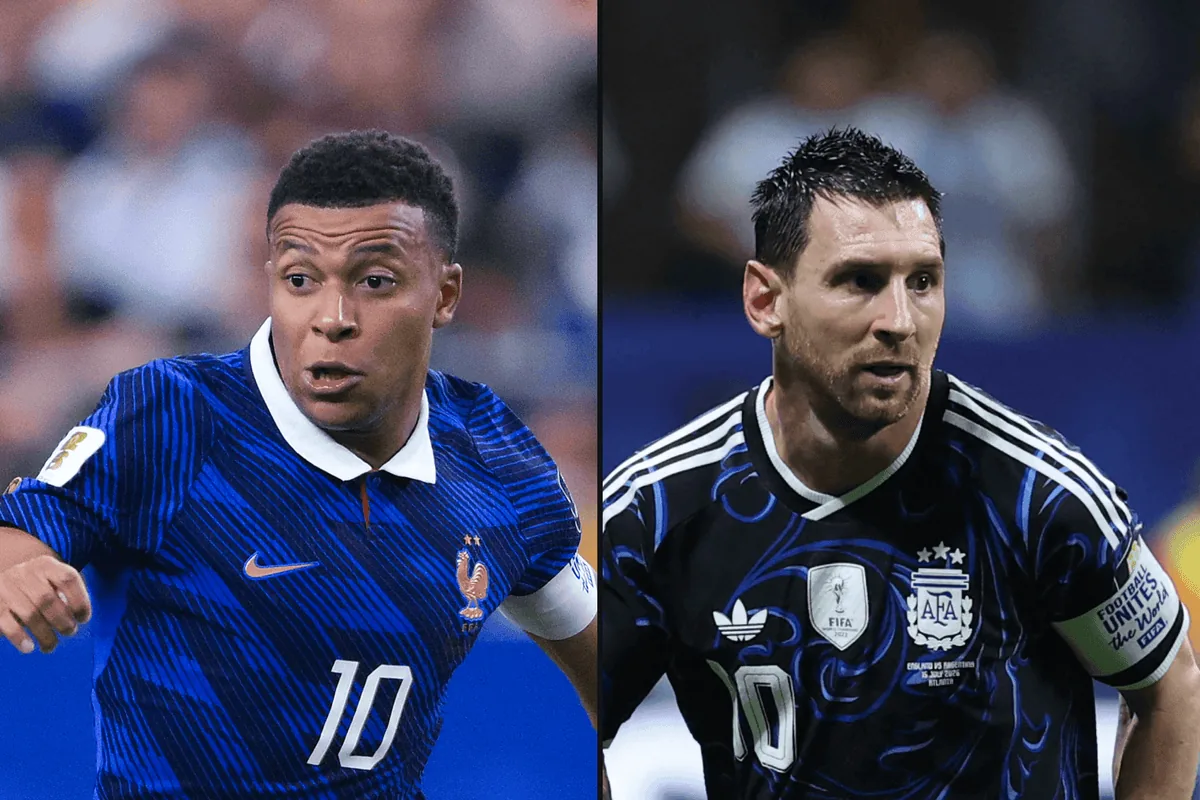
Golden Boot race intensifies
The race for the 2026 World Cup Golden Boot is set to conclude with the tournament’s final match, featuring a direct contest between Kylian Mbappe of France and Lionel Messi of Argentina. Mbappe currently holds a lead over Messi in goals, following his performance in the third-place play-off.
Mbappe scored two goals in France’s 6-4 defeat by England in the third-place play-off, moving him two goals ahead of Messi. However, Messi still has the opportunity to respond in the final match against Spain. If the 39-year-old Argentine scores twice in the final, he could claim the Golden Boot due to having more assists.
Should Messi score fewer than two goals, Mbappe could become the first player to win the award twice. This competition also highlights their ongoing battle to become the World Cup’s all-time leading scorer, a race in which Mbappe currently leads with 22 goals, with Messi one behind.
Mbappe’s two goals against England brought his tournament total to a significant number, making him the first player to reach double figures in a single edition of the men’s World Cup since Gerd Muller for West Germany in 1970. Before this tournament, only eight players had scored eight or more goals in a single World Cup: Muller, Just Fontaine, Sandor Kocsis, Ademir, Eusebio, Guillermo Stabile, Ronaldo, and Mbappe.
Key contenders and their performances
Beyond the leading duo, England’s Jude Bellingham has also made a strong impression in the Golden Boot standings. His goal against France positioned him third with seven goals, surpassing Erling Haaland due to a higher number of assists. England captain Harry Kane is one goal behind Bellingham, alongside France’s Ousmane Dembele.
Messi and Mbappe have both surpassed Miroslav Klose of Germany on the World Cup’s all-time top goalscorers chart during this tournament. This signifies their duel not only for the top scorer title in this edition but also in the competition’s nearly 100-year history. Both players have had opportunities to increase their tallies from penalties, though Messi has missed two and Mbappe one during this World Cup.
If Messi and Mbappe remain tied at the tournament’s conclusion on Sunday, a tiebreaker process will be applied. The initial tiebreaker is based on assists, followed by the fewest minutes played. Messi registered an assist in setting up goals in the semi-final win against England, a feat later matched by Mbappe in the third-place play-off against Thomas Tuchel’s side.
While Messi has never won the World Cup Golden Boot, he has received the Golden Ball, awarded to the tournament’s best overall player, in both 2014 and 2022. Mbappe’s two goals in Saturday’s third-place play-off against England were scored at Hard Rock Stadium.
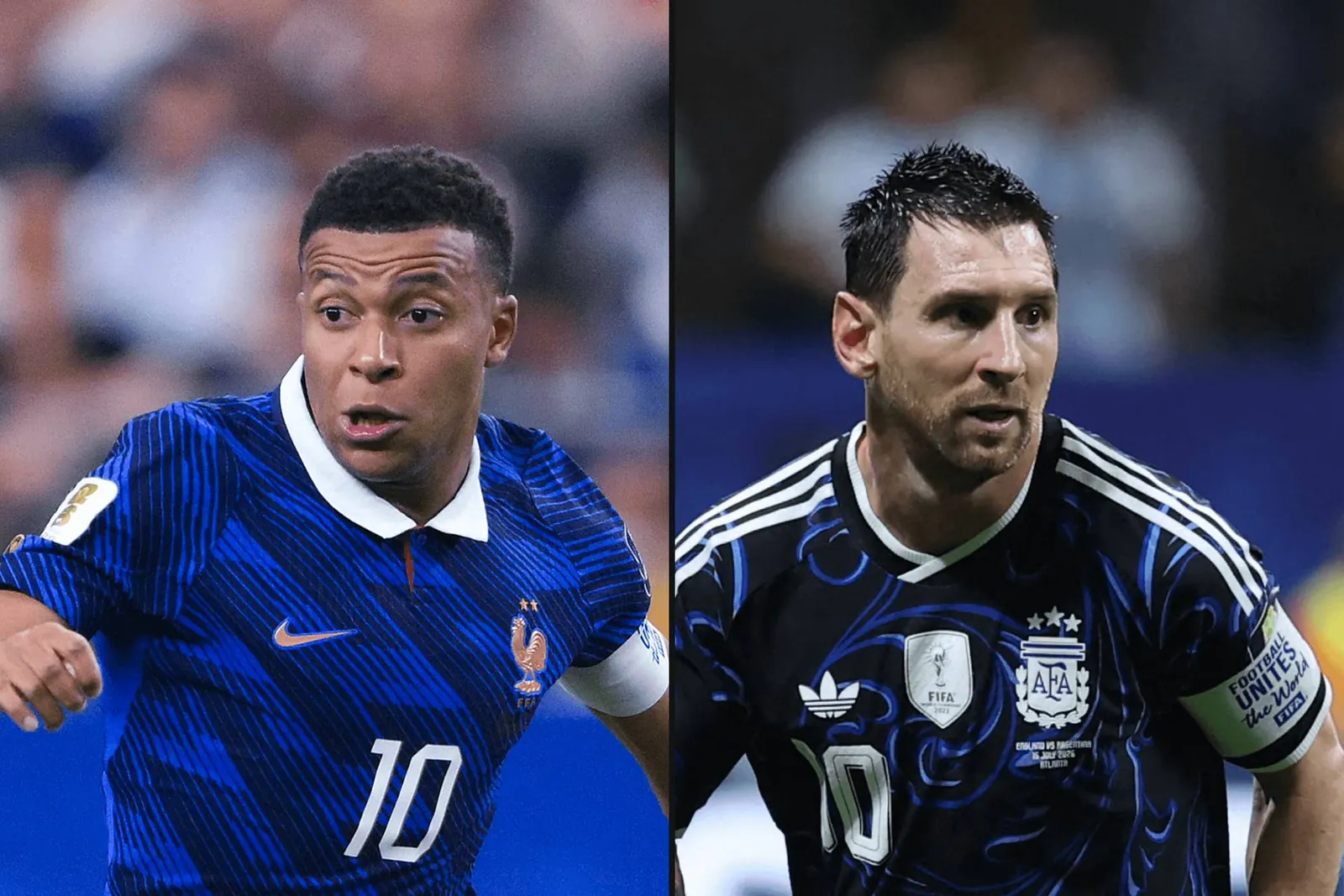
The scoring methods of Messi, Mbappe, and Bellingham have varied. Messi and Mbappe have demonstrated their ability to score from outside the penalty box, showcasing their threat from various areas. Bellingham, conversely, has been a more specific goal threat, with all his seven goals originating from inside the box and from shorter distances.
Kane’s goals have included three headed goals, making him the leader in that category for the tournament. He also scored two penalties. Prior Golden Boot winners, including Eusebio (1966), Salvatore Schillaci (1990), Davor Suker (1998), and Thomas Muller (2010), have often added to their tallies in the third-place match, which historically tends to be high-scoring, with two or more goals scored in every instance since Poland’s 1-0 win against Brazil in 1974.
Impact of the Golden Boot
A notable pattern observed among World Cup Golden Boot winners is that most tend to score more league goals in the domestic club season leading up to the tournament than in the season immediately following it. This trend was seen in players like Kane (2018), Muller (2010), Klose (2006), Suker (1998), Schillaci (1990), Gary Lineker (1986), Mario Kempes (1978), and Muller (1970).
This pattern suggests that players often carry strong club form into the World Cup, but the physical demands of a long summer with their national team can impact their performance in the subsequent year. Exceptions to this include James Rodriguez of Colombia (2014) and Brazil’s Ronaldo (2002), who both experienced successful club seasons with Real Madrid after their Golden Boot wins.
Rodriguez and Lineker also secured significant transfers following their high-scoring World Cup campaigns, with Rodriguez moving from Monaco to Madrid and Lineker from Everton to Barcelona. As Lineker noted, the Golden Boot can significantly elevate a player’s career, placing them on a global stage. While winning this award may not dramatically alter the lives of Messi, Mbappe, or their competitors, it will undoubtedly enhance their World Cup legacies.
The 2026 World Cup has been a tournament marked by exceptional individual performances from its star players.
Read Also
Source: bbc.com