



In a significant escalation of the ongoing Middle East conflict, Yemen’s Houthi rebels launched a ballistic missile towards Israel on March 28, 2026. This action marks their formal entry into the hostilities that have intensified following recent US-Israeli attacks in the region.
The missile launch comes amid widespread protests in Yemen, where Houthis have warned of potential military intervention in response to the perceived aggression from the United States and Israel. The situation is further complicated by Iran’s military actions, including targeting a US logistics vessel near the Omani port of Salalah.
As the conflict unfolds, the Israeli military reported successfully intercepting the missile launched from Yemen, highlighting the immediate threat posed by the Houthis. This development is particularly concerning given the Houthis’ previous actions during the Gaza war, where they targeted shipping routes in the Red Sea, a critical artery for global commerce.
The backdrop to this escalation is the ongoing war that began with US and Israeli airstrikes across Iran, resulting in the death of supreme leader Ayatollah Ali Khamenei. This has led to a ripple effect throughout the region, with various factions aligning themselves in response to the shifting power dynamics.
Analysts suggest that the Houthis’ entry into the conflict could have far-reaching implications beyond the battlefield. The potential for military escalation at sea raises serious concerns about disruptions to global trade and energy markets, particularly as oil and gas prices have already seen an increase due to the conflict.
Iran’s Revolutionary Guards have issued warnings of retaliation for the economic damage inflicted by US-Israeli strikes, further complicating the situation. Iranian President Masoud Pezeshkian emphasized the need for regional stability, stating, “If you want development and security, don’t let our enemies run the war from your lands.”
As the conflict marks one month of intensified fighting between Israel and Iran, along with their regional allies, air travel disruptions have been reported in Kuwait and Erbil due to ongoing strikes. The situation remains fluid, and details remain unconfirmed as the international community watches closely.
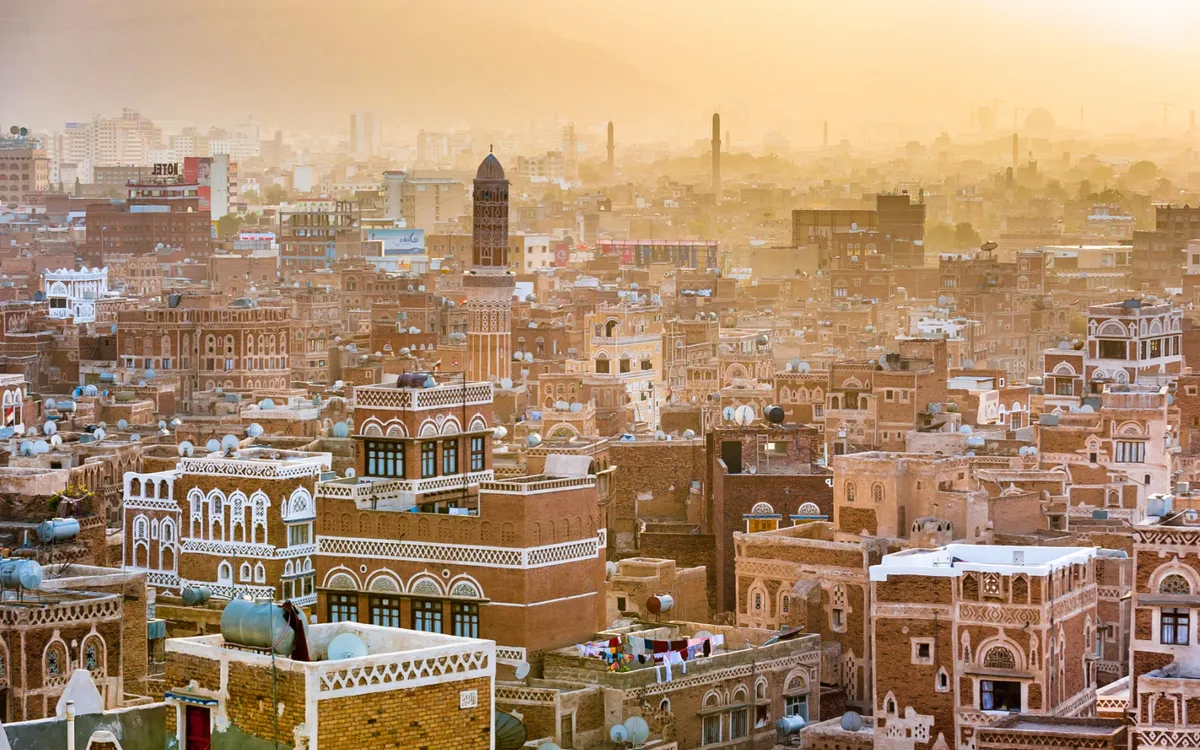
The Houthis have maintained control over Sanaa since 2014 and had previously upheld a ceasefire with Saudi Arabia, making their recent actions particularly noteworthy. The evolving dynamics in Yemen and the broader Middle East conflict will be crucial to monitor in the coming days.
In light of these developments, Trump’s special envoy Steve Witkoff remarked, “It could solve it all,” reflecting the high stakes involved in the ongoing geopolitical struggle.