



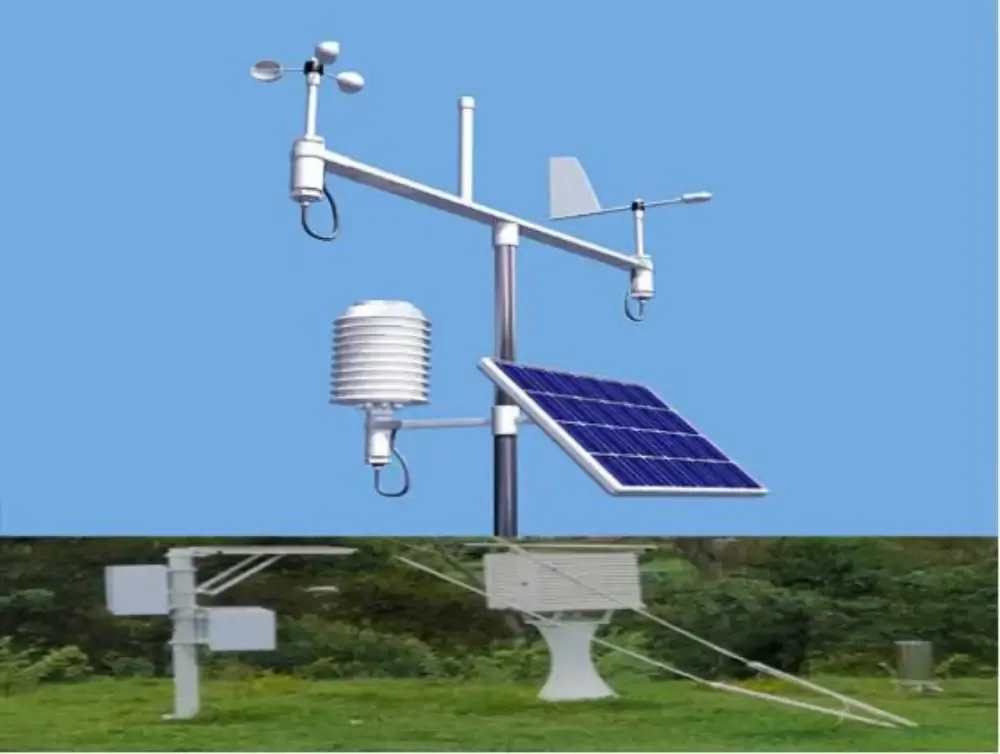
The Union government recently announced the installation of an Automatic Weather Station (AWS) in Jammu and Kashmir as part of Mission Mausam Phase-II. This initiative aims to enhance India’s meteorological infrastructure, which currently includes 1,008 AWS across the country, with 17 already operational in Jammu and Kashmir.
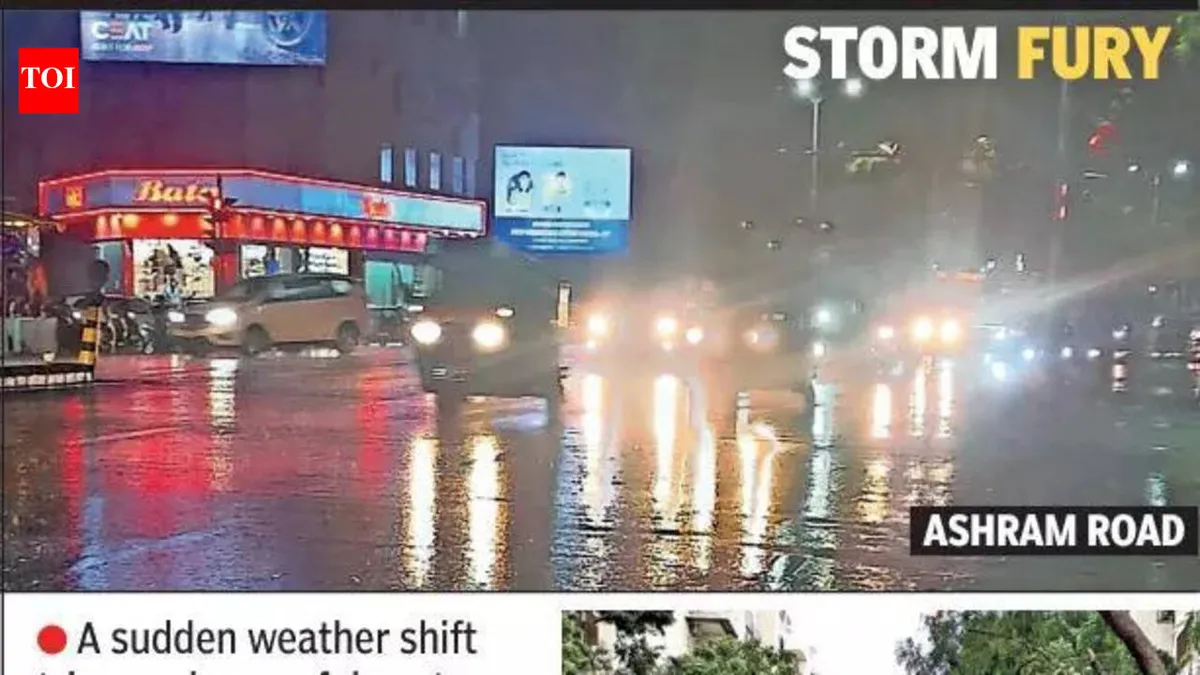
As the region prepares for this upgrade, a fresh Western Disturbance is expected to impact Jammu and Kashmir, bringing light to moderate rainfall and snowfall from March 28 to 30, 2026. Meteorologists predict that this weather system will intensify over approximately 48 hours, with a 65% chance of precipitation in Srinagar on the first day.
Alongside the expected rainfall, gusty winds reaching speeds of 30–50 km/h are likely to sweep across Jammu, Kashmir, and Ladakh, contributing to a noticeable drop in temperatures. Hill stations can anticipate a temperature decrease of 3–5°C following the precipitation.
Travel disruptions are anticipated in mountainous regions, particularly affecting high-altitude passes due to the expected snowfall. Local authorities are urging residents and travelers to stay updated on weather conditions and prepare for potential delays.
The India Meteorological Department (IMD) has issued alerts for the region, emphasizing the need for caution during this period. Observers note that such weather patterns are not uncommon for this time of year, but the intensity of the upcoming disturbance has raised concerns.
As the situation unfolds, officials are monitoring the weather closely and will provide updates as necessary. The installation of the new AWS is expected to improve forecasting capabilities in the region, which is crucial for both residents and travelers alike.
In summary, Jammu and Kashmir is gearing up for a significant weather event, with light to moderate rainfall and snowfall expected to begin on March 28. The combination of this weather with the installation of advanced meteorological equipment marks a pivotal moment for the region’s climate resilience efforts.