


The ongoing war in Iran raises a pressing question: Can diplomatic negotiations bring an end to the escalating conflict? U.S. President Donald Trump recently claimed that Iran is eager to make a deal, suggesting a potential path to peace amidst the chaos. However, this assertion stands in stark contrast to the reality on the ground, where the war has already claimed more than 2,000 lives, with Iran’s Health Ministry reporting over 1,500 deaths within its borders alone.
As the conflict unfolds, the situation remains dire. Israeli airstrikes have resulted in over 1,000 deaths in Lebanon and displaced more than a million people. The humanitarian crisis is exacerbated by Iran’s significant advancements in nuclear capabilities, having completed 99% of the centrifuge work necessary to produce weapons-grade uranium for nine nuclear weapons. Currently, Iran possesses 440.9 kilograms of highly enriched uranium, raising alarms about its intentions.
Despite Trump’s claims that “Iran wants ‘to make a deal,'” Iranian officials, including Mohammad Bagher Qalibaf, have refuted the notion of negotiations with the U.S., stating, “No negotiations have been held with the US.” This disconnect highlights the complexities of the situation, where both sides appear to be speaking different languages regarding peace.
The backdrop of this conflict is a war initiated by the United States and Israel, which has had profound economic and social impacts across the region. Iran’s paramilitary Revolutionary Guard has vowed retaliation if the U.S. continues its aggressive stance, indicating that the potential for further escalation remains high.
Moreover, the geopolitical landscape is further complicated by Pakistan’s Strategic Mutual Defence Agreement with Saudi Arabia and its substantial trade relations with both Saudi Arabia and Iran, amounting to nearly $5 billion and $3 billion, respectively. This intricate web of alliances and economic ties adds another layer of uncertainty to the conflict.
As the situation develops, the future remains uncertain. Details surrounding the identity of the Iranian leader who engaged in discussions with U.S. envoy Steve Witkoff and Jared Kushner remain unconfirmed, and the exact nature of any negotiations between the U.S. and Iran is still unclear.
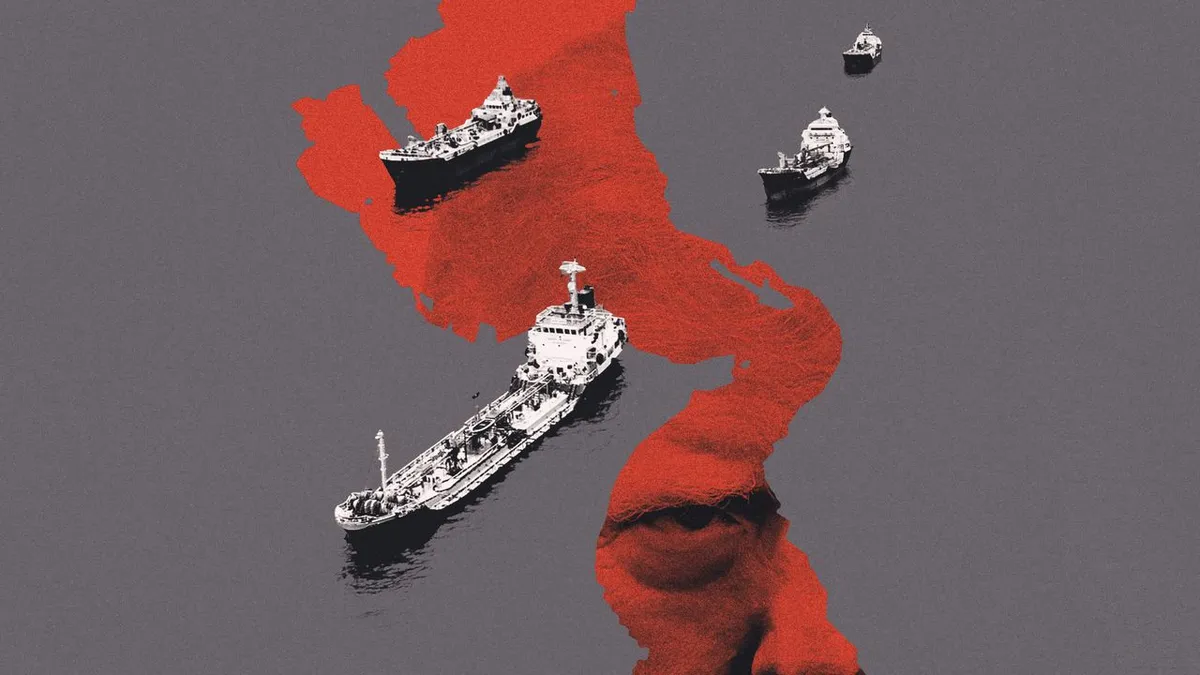
In the meantime, the Tasnim news agency has warned that with ongoing psychological warfare, neither the Strait of Hormuz will return to prewar conditions nor will calm return to energy markets. The implications of this war extend beyond immediate casualties, affecting global energy supplies and regional stability.
As the world watches, the question lingers: Will diplomacy prevail, or are we on the brink of further conflict? The answers are yet to unfold, leaving many to ponder the future of peace in a war-torn region.