


Who is involved
In Kolkata, the anticipation surrounding the electoral process has recently been overshadowed by a troubling development regarding the voter card system. Many electors, particularly those who had hoped to verify their status on the first supplementary voter list, found themselves unable to access this crucial information. Prior to this situation, there was a general expectation that the electoral process would be smooth and accessible, allowing citizens to confirm their eligibility and participate in upcoming elections without hindrance.
However, a decisive moment came when the chief electoral officer announced that the supplementary list would only be available after 9 pm. This delay left several lakhs of electors in a state of uncertainty, as they were unable to verify their names on the list. The immediate aftermath of this announcement saw a surge of anxiety among voters, many of whom had already submitted the necessary documentation to secure their voter cards.
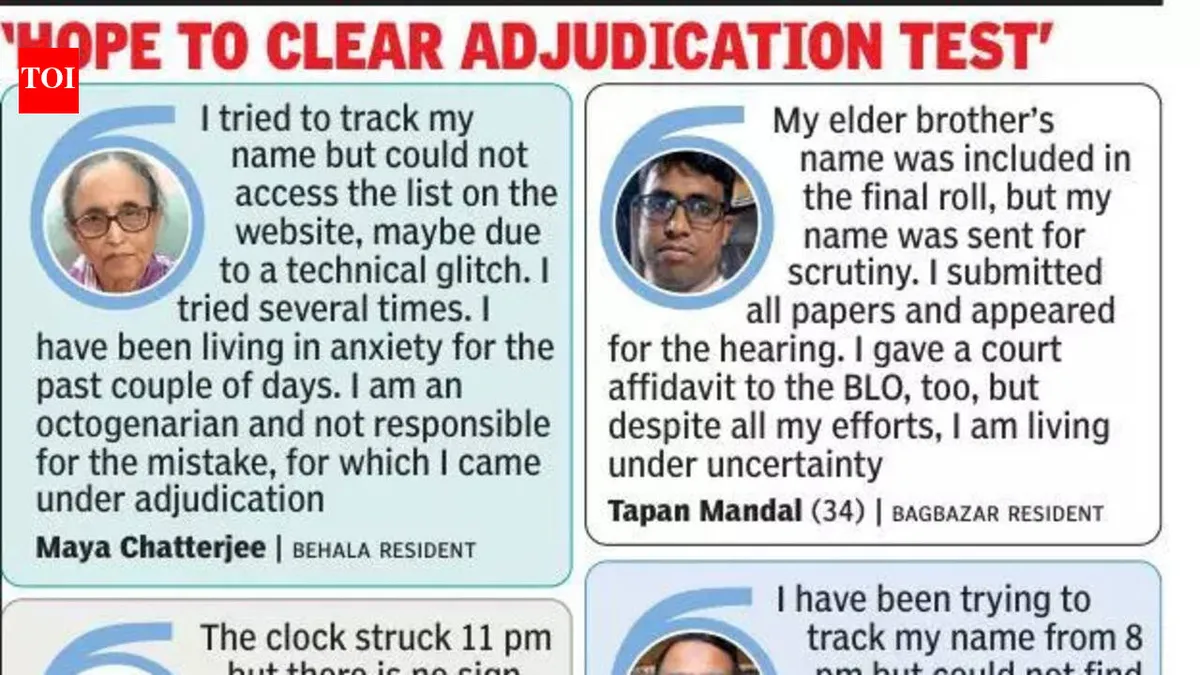
Individuals like Maya Chatterjee, an octogenarian, expressed her distress, stating, “I tried to track my name but could not access the supplementary list on the website, maybe due to a technical glitch.” Such sentiments were echoed by others, including Soumik Bhattacharya, who waited until midnight only to find that he could not access the list. The emotional toll on these individuals is significant, as they grapple with the fear of being disenfranchised despite their efforts to comply with the electoral requirements.
The situation has also affected families, as illustrated by Shah Umayer Ahamed’s experience. He shared his frustration, noting that his mother, Arafatun Nesa, remains under the ‘adjudication’ category despite submitting all necessary documents. This highlights a systemic issue within the voter registration process that is leaving many in limbo, unable to ascertain their voting status.
Moreover, the case of Tapan Mandal, whose name was sent for final scrutiny due to a discrepancy in surname records, further underscores the complexities of the voter card system. Such discrepancies can lead to significant delays and confusion, leaving voters like Mandal anxious about their ability to participate in the elections. Musa Kalim Molla’s worry about his voting status, as he found his name marked under adjudication, adds to the narrative of uncertainty that many are currently facing.
Experts in electoral processes have begun to weigh in on the implications of these issues. The anxiety surrounding voter card access is not just a personal concern but a reflection of broader systemic challenges that can undermine public trust in the electoral process. The inability to access voter information can lead to disenfranchisement, particularly among vulnerable populations who may lack the resources to navigate these bureaucratic hurdles.
As the situation unfolds, it remains crucial for electoral authorities to address these concerns transparently and efficiently. The introduction of Voter Authority Certificates for those without accepted photo ID is one step towards inclusivity, but it does not alleviate the immediate anxieties faced by those currently under adjudication. Details remain unconfirmed regarding how these issues will be resolved, but the urgency for clarity and action is evident.
In conclusion, the challenges faced by Kolkata electors in accessing their voter cards highlight a critical moment in the electoral process. As citizens await resolution, the implications of these issues extend beyond individual anxiety, touching on the fundamental principles of democracy and the right to vote.