



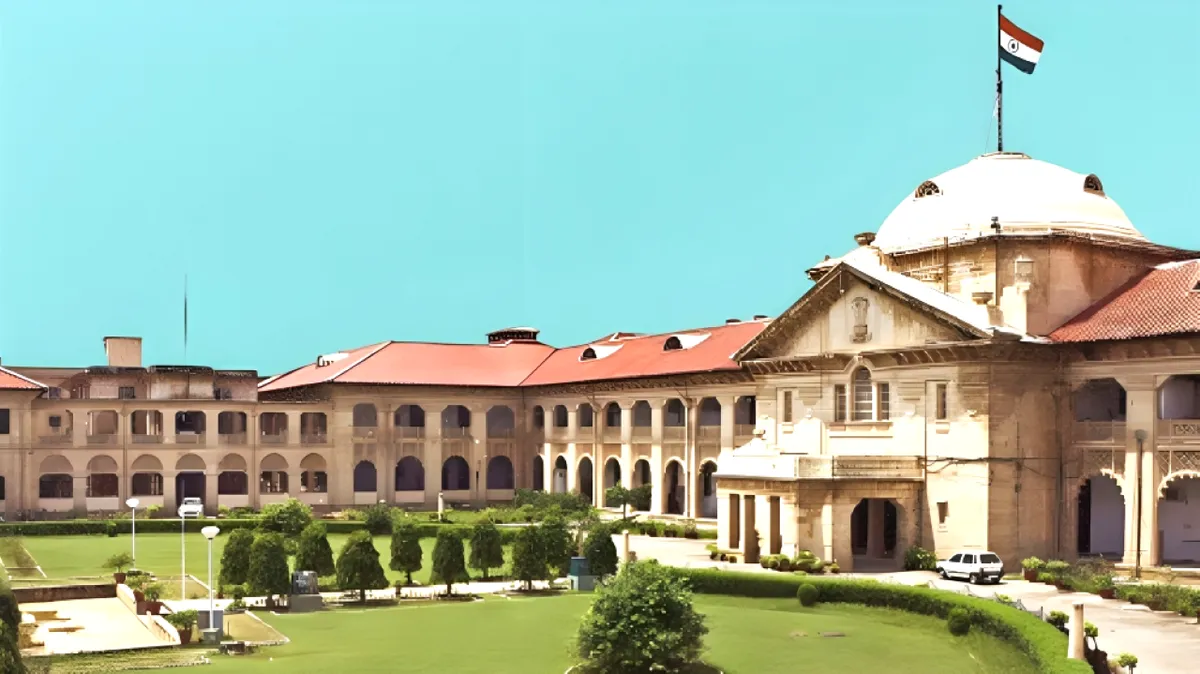
What does the recent ruling by the Allahabad High Court mean for officiating principals in Uttar Pradesh’s educational institutions? The court has mandated that these individuals must receive salaries equivalent to those of regular principals, a decision that underscores the importance of equitable compensation in the education sector.
The ruling, delivered on April 6, 2026, clarifies that officiating principals, who often carry the same responsibilities as their regular counterparts, are entitled to fair remuneration. The court stated, “Having recognized that a person is required to officiate as Principal of an intermediate college by way of necessity existing in law and he is required to perform higher and more onerous duties, than that of any other teacher at such institution, his right to receive higher salary commensurate to such duties discharged, may never be defeated.” This statement reflects a growing recognition of the challenges faced by those in temporary leadership positions.
Historically, the issue of salary disparities for officiating principals has been contentious. The Allahabad High Court had previously ruled that these individuals should be compensated similarly to regular principals, but the implementation of this ruling has been inconsistent. The recent decision reinforces this stance, indicating that the U.P. Education Service Selection Commission Act of 2023 overrides previous provisions that may have limited the rights of officiating principals.
The court’s ruling also highlights the ongoing need for clarity regarding the roles and rights of officiating principals. It noted that the conditions of service for these individuals are governed by the provisions of section 16G of the U.P. Intermediate Education Act of 1921, which aims to protect their rights amid administrative changes. The court allowed petitioners to continue in their roles until regular appointments are made, ensuring stability in leadership during this transition.
Moreover, the court emphasized that the failure of management committees to notify vacancies should not impede the rights of officiating principals to receive appropriate salaries. This perspective is crucial in fostering a fair working environment within educational institutions, where leadership continuity is vital for student success.
As the educational landscape in Uttar Pradesh evolves, the implications of this ruling extend beyond salary adjustments. It raises questions about how educational governance will adapt to ensure that all educators, regardless of their employment status, are treated equitably. The ruling serves as a reminder of the importance of recognizing the contributions of all educators, particularly those who step into leadership roles during times of need.
Looking ahead, the implementation of this ruling will be closely monitored. Will educational institutions comply with the court’s decision, and how will this impact the recruitment and retention of officiating principals? While the court has provided a clear directive, the real test lies in the execution of these mandates. Details remain unconfirmed regarding how quickly institutions will adapt to these changes and what further measures may be necessary to ensure compliance.