


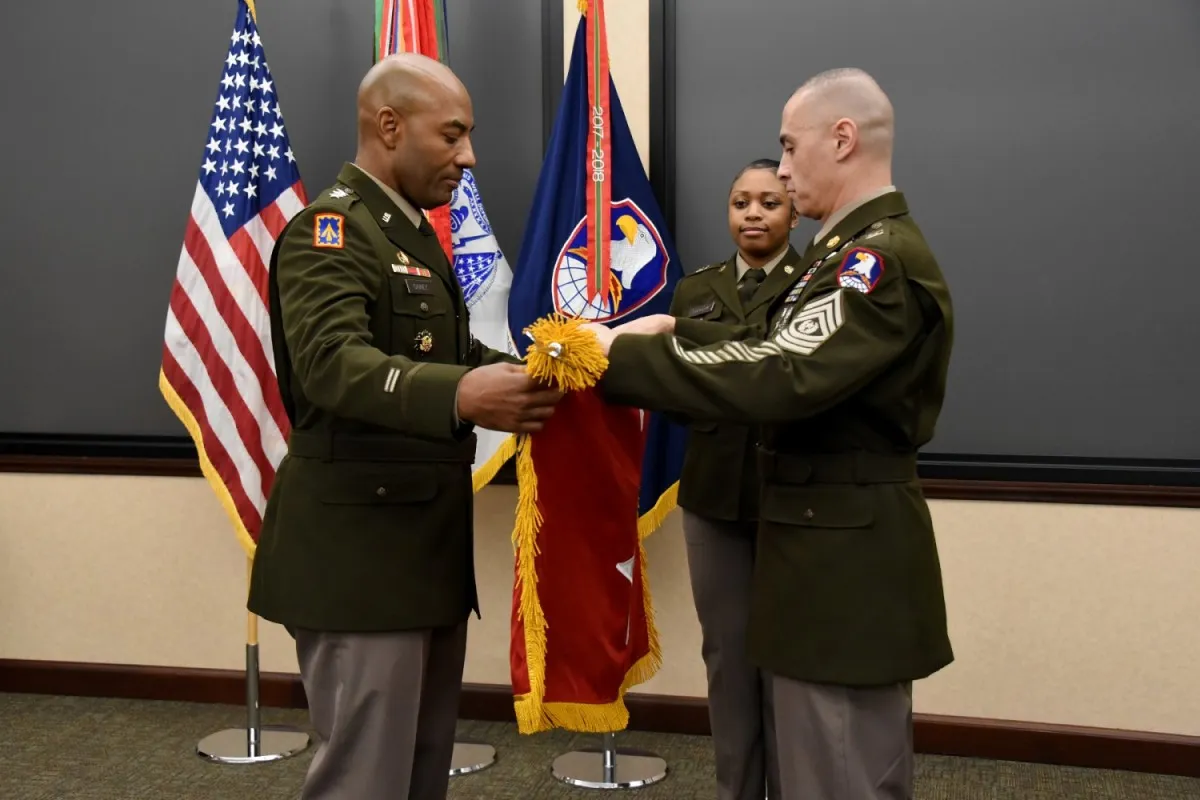
“Hegseth announced George’s immediate retirement and thanked him for his service,” stated a source close to the situation. This significant shift in military leadership comes as General Randy George, the 41st Chief of Staff of the Army, has been asked to step down after serving in the role since August 2023.
The decision, effective immediately as of April 2, 2026, follows a series of dismissals by Hegseth, who has removed more than a dozen top military leaders since taking office. George, who previously served as Defense Secretary Lloyd Austin’s top military aide, has found himself at the center of controversy, particularly regarding a dispute over the promotion of four Army generals.
As tensions rise, Army paratroopers from the 82nd Airborne division are currently being deployed to West Asia, coinciding with ongoing military operations in Iran. This backdrop adds urgency to the leadership changes within the Army, as the effectiveness of military command is crucial during such operations.
General Christopher LaNeve has been appointed as the acting Army Chief of Staff, stepping into a role that typically requires a four-year commitment. The shakeup in leadership raises questions about the stability and direction of the Army at a critical time.
Critics have pointed fingers at Hegseth, with Pentagon insiders, described as whistle-blowers, accusing him of unprofessional conduct and of sharing sensitive information through unsecured channels. These allegations further complicate the narrative surrounding George’s dismissal.
General Randy George, a West Point Military Academy graduate, has a storied career that includes service in the first Gulf War, Iraq, and Afghanistan. His experience and leadership were seen as vital during his tenure, making his abrupt exit all the more striking.
Details remain unconfirmed regarding the full implications of this leadership change, but the military community is watching closely as the situation unfolds. The Army’s ability to maintain operational readiness amidst such turmoil will be a significant concern for officials and families alike.
As the U.S. military continues to engage in complex operations abroad, the leadership dynamics within the Army will undoubtedly play a crucial role in shaping future strategies and outcomes.