




Reaction from the field
Sikkim, the only Indian state without railway connectivity, is on the brink of a significant transformation. The ongoing construction of a new railway line between Sevoke and Rangpo is expected to enhance accessibility to this picturesque region by 2027. Currently, travel from New Jalpaiguri to Gangtok takes around four to five hours by road, a journey that will soon be made more convenient with the introduction of rail services.
The absence of railway connectivity has, in many ways, helped Sikkim retain its remoteness. While the state is accessible through road and air, the limited flight options to Pakyong Airport, which is located just 30 kilometers from Gangtok, are heavily dependent on weather conditions. This has made the journey to Sikkim a challenge for both tourists and residents alike.
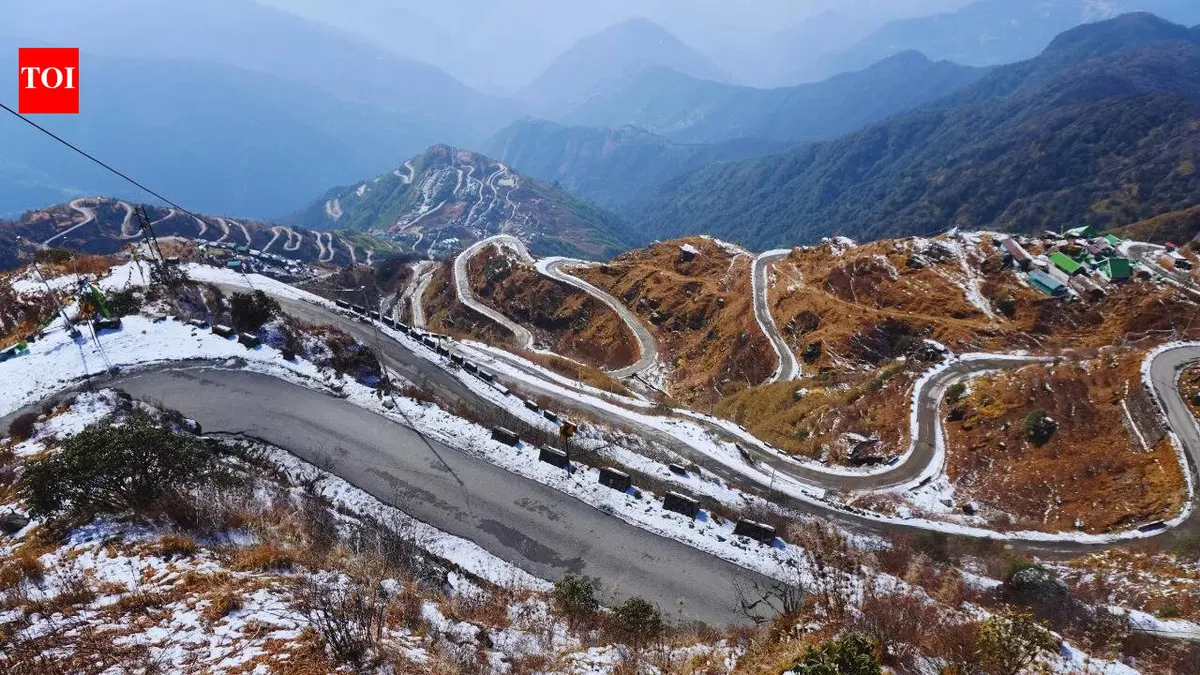
Historically, Sikkim’s lack of railway infrastructure can be attributed to its challenging terrain, characterized by steep mountains and deep valleys. The new railway line, stretching approximately 44-45 kilometers, involves extensive tunneling and bridge work along the Teesta valley, a feat of engineering that promises to connect Sikkim more effectively with the rest of India.
In addition to the railway project, Sikkim’s energy landscape is also undergoing scrutiny. The Mohra Power Project, built in 1905 to support dredging operations in the Jhelum, has been defunct since the 1990s. With a proposed capacity of about 10.5 MW, its revival carries historical and symbolic importance, even though it is unlikely to significantly reduce the region’s power deficit.
Currently, Jammu and Kashmir boasts a power generation capacity of 3,540 MW, with a target to reach 11,000 MW by 2035. The revival of the Mohra Power Project, despite its modest capacity, is seen as a step towards addressing some of the energy challenges faced by the region.
As Sikkim prepares for its railway connectivity, the implications for tourism and local economies are profound. Enhanced accessibility could lead to an influx of visitors, boosting local businesses and providing new opportunities for residents. However, the environmental impact of such developments remains a concern, as the region’s delicate ecosystem must be preserved.
Details remain unconfirmed regarding the exact timeline and operational specifics of the railway line. As the project progresses, stakeholders are keenly observing how this development will unfold and what further advancements can be expected in Sikkim’s infrastructure.