



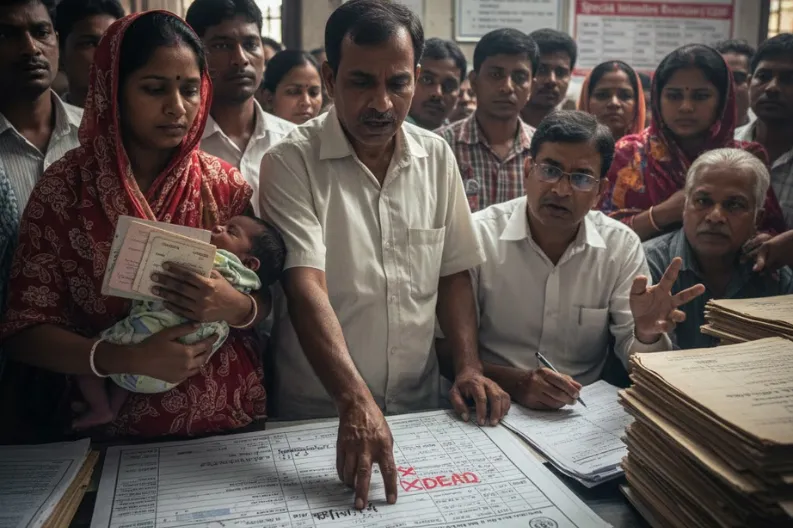
Before the recent developments surrounding the supplementary voter list 2026, expectations were high for a streamlined electoral process in West Bengal. The state had been grappling with a backlog of pending voter records, with the earlier draft roll containing over 7 million names. However, the situation was complicated by ongoing judicial reviews and the removal of several Returning Officers by the Election Commission.
On March 24, 2026, a decisive moment arrived when the first supplementary voter list was published by the Election Commission of India and the Chief Electoral Officer of West Bengal. This list comes after the settlement of 27 lakh pending voter records, with approximately 2 lakh names being processed daily. The completion of 29 lakh adjudications out of 60 lakh cases under judicial review indicates a significant acceleration in the electoral process.
The direct effects of this change are profound. With the total number of voters in the state now standing at 7,04,59,284, the new supplementary list aims to ensure that more eligible voters are included in the electoral roll. This is particularly crucial as the state prepares for upcoming elections, where every vote counts.
Manoj Kumar Agarwal, an official from the Election Commission, emphasized the importance of this supplementary list, stating, “Voters whose names are excluded from the supplementary list will be able to appeal through these tribunals.” This provision aims to enhance transparency and fairness in the electoral process.
Furthermore, the centralised processing of the list in Delhi signifies a shift towards a more organized approach to voter registration. The supplementary list is expected to be released around 9:30 PM on the same day, providing voters with timely information.
In addition to these changes, the model code of conduct is being strictly enforced across all assembly constituencies, ensuring that the electoral process remains free and fair. The removal of 73 Returning Officers reflects the Election Commission’s commitment to maintaining the integrity of the electoral process.
As West Bengal navigates this new chapter in its electoral history, the implications of the supplementary voter list 2026 will resonate across the political landscape. With 11 districts now having new District Magistrates appointed, the administrative changes are expected to further influence the electoral dynamics.
Overall, the supplementary voter list 2026 not only addresses past challenges but also sets the stage for a more inclusive and efficient electoral process in West Bengal. The efforts made by the Election Commission and other stakeholders will be crucial in shaping the future of democracy in the state.