



Reaction from the field
The worship of Maa Skandamata, the fifth form of Maa Durga, holds profound significance for devotees, particularly during the auspicious occasion of Navratri. On March 23, 2026, devotees will celebrate the fifth day of this nine-night festival, a day dedicated to honoring Skandamata. This celebration is not merely a ritual; it embodies a deep yearning for peace, prosperity, and emotional balance in the lives of those who seek her blessings.
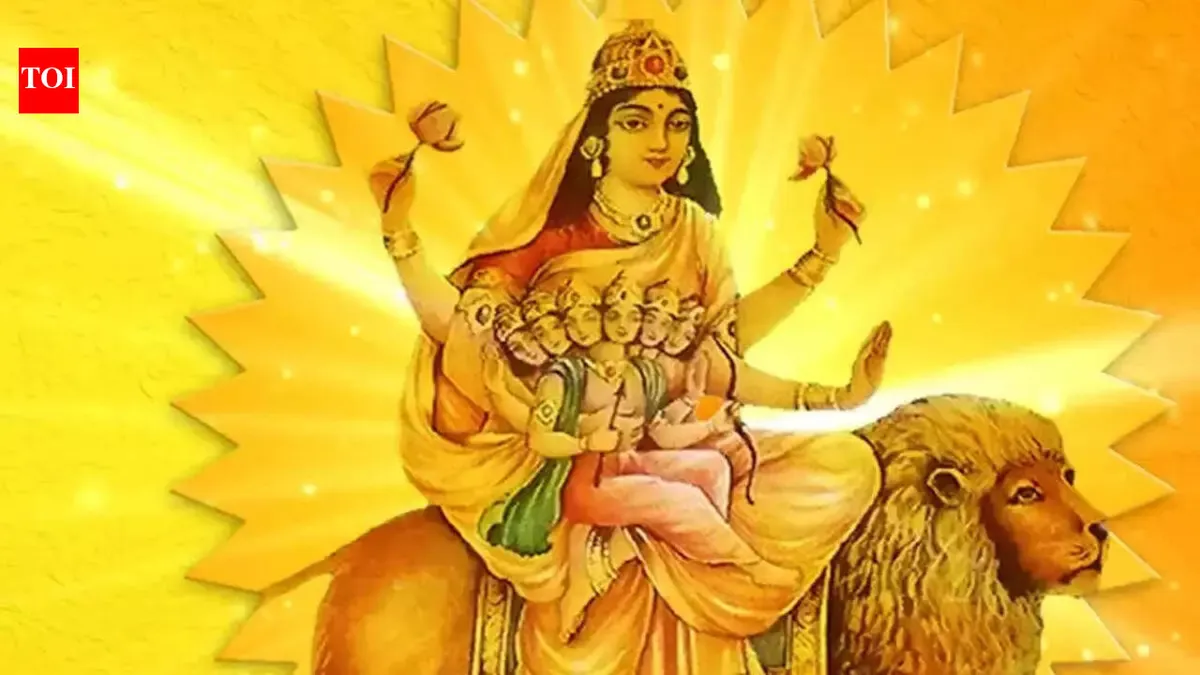
Maa Skandamata is revered as the nurturing mother of Lord Kartikeya, also known as Skanda, who is a significant deity in Hindu mythology. Depicted holding her son in her lap while riding a lion, she symbolizes protective strength and motherhood. The image of Skandamata resonates with many, particularly those who value familial bonds and the nurturing aspects of life. Her worship is believed to bring stability in both personal and professional realms, making her a vital figure for many seeking guidance and support.
On this special day, devotees are encouraged to wear yellow, a color associated with positivity and energy, and to offer bananas—considered an auspicious fruit. The rituals performed on this day focus on emotional balance and family well-being, highlighting the nurturing qualities that Maa Skandamata embodies. The Vishuddha (throat) chakra, associated with communication and expression, is also linked to her, suggesting that her blessings can help facilitate clearer communication within families and communities.
As part of the rituals, devotees often engage in gratitude meditation for about 5 to 10 minutes, reflecting on the blessings they have received and seeking further guidance. The atmosphere during this time is filled with devotion and reverence, as chants and prayers resonate in temples and homes alike. Prime Minister Shri Narendra Modi has expressed his wishes for the blessings of Skandamata to illuminate lives, emphasizing the deity’s importance in contemporary spiritual practices.
The significance of Maa Skandamata extends beyond individual worship; it fosters a sense of community among devotees. As people come together to celebrate, they share their hopes and aspirations, reinforcing the bonds of kinship and friendship. The collective energy generated during these rituals is believed to enhance the overall spiritual experience, making it a time of unity and shared purpose.
In the broader context of Hindu worship, Maa Skandamata’s role is a reminder of the importance of nurturing and protective forces in our lives. Her attributes resonate with many who seek stability in an ever-changing world. The rituals performed on her day serve not only as a means of seeking blessings but also as a way to cultivate a deeper understanding of the values of care and compassion.
As the date approaches, excitement and anticipation build among devotees. However, details remain unconfirmed regarding any new initiatives or community events planned for this year’s celebration. As the spiritual landscape continues to evolve, the enduring legacy of Maa Skandamata remains a source of strength and inspiration for many, ensuring her place in the hearts of those who seek her divine guidance.