



What the data shows
The recent Special Intensive Revision (SIR) of electoral rolls in West Bengal raises an important question: how will these changes affect the upcoming elections? The answer is significant, as the SIR process has led to the deletion of over 61.7 lakh names from the electoral rolls, while also settling 27 lakh pending voter records. This process, which is being closely monitored by various political entities, is poised to reshape the electoral landscape in the state.
According to the Election Commission of India (ECI), the first supplementary voter list under the SIR process is set to be published today. This marks a critical step in the ongoing efforts to ensure the integrity of the electoral rolls. With approximately 2 lakh names being processed daily, the scale of this operation is considerable. Furthermore, 19 appeal tribunals have been established across 23 districts, staffed by former High Court judges, to address any disputes arising from the revision.
The implications of the SIR process are particularly pronounced in constituencies like Bhabanipur, where 47,000 names have been deleted. This constituency is notable as it was won by Chief Minister Mamata Banerjee in 2021 with a margin of 58,832 votes. Banerjee has expressed confidence in her ability to win again, stating, “I will win from Bhabanipur even if by only one vote.” This sentiment underscores the high stakes involved as the Trinamool Congress (TMC) seeks to maintain its foothold in the region.
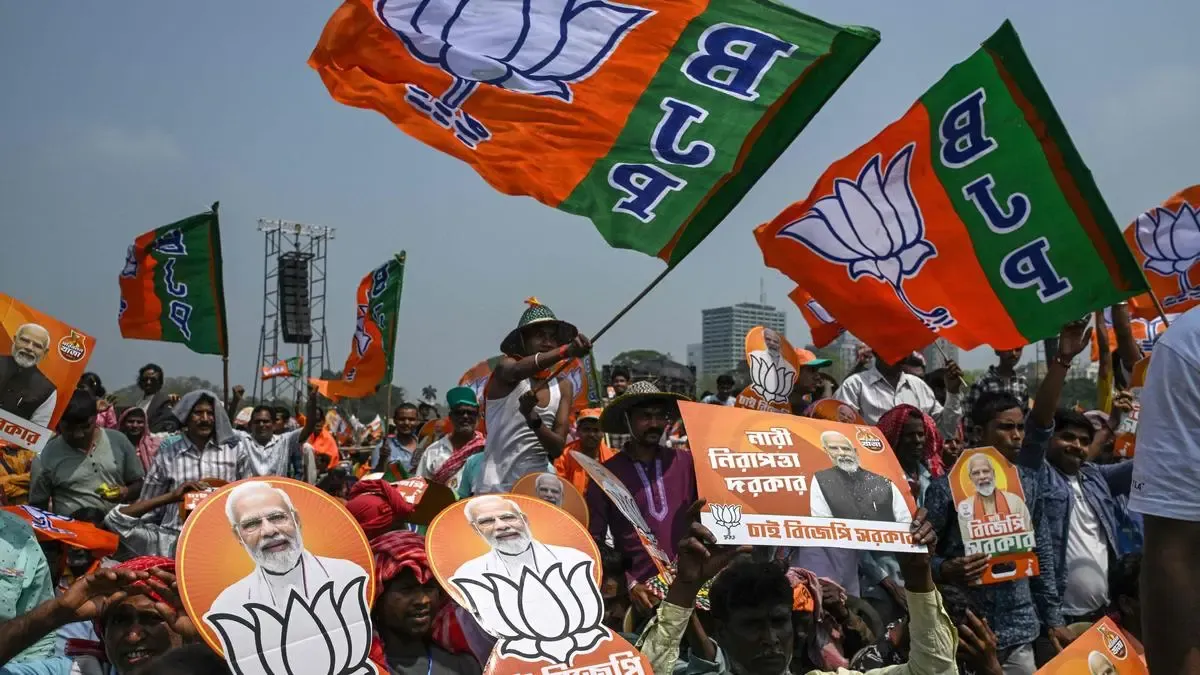
While the TMC currently enjoys a lead over the Bharatiya Janata Party (BJP) in both vote percentage and number of seats, the SIR process has raised concerns among party leaders. Prime Minister Narendra Modi has accused the TMC of wanting to retain names of illegal immigrants and even deceased individuals on the voter list, suggesting that the party is resistant to the necessary rectifications. This accusation adds a layer of political tension to an already charged atmosphere.
As the SIR process continues, more than 60 lakh citizens’ names remain under adjudication, highlighting the ongoing uncertainty surrounding voter registration in West Bengal. The ramifications of these deletions and the overall revision process could significantly impact voter turnout and party strategies in the upcoming elections.
Details remain unconfirmed regarding how these changes will ultimately affect the political dynamics in West Bengal. With the elections approaching, both the TMC and the BJP will be closely watching how the electorate responds to these revisions. The outcome of this process could very well determine the balance of power in the state.
In summary, the Special Intensive Revision of electoral rolls in West Bengal is a pivotal moment for voters and political parties alike. As the ECI moves forward with the publication of the new voter list, the implications of these changes will unfold, shaping the electoral landscape in ways that are yet to be fully understood.