



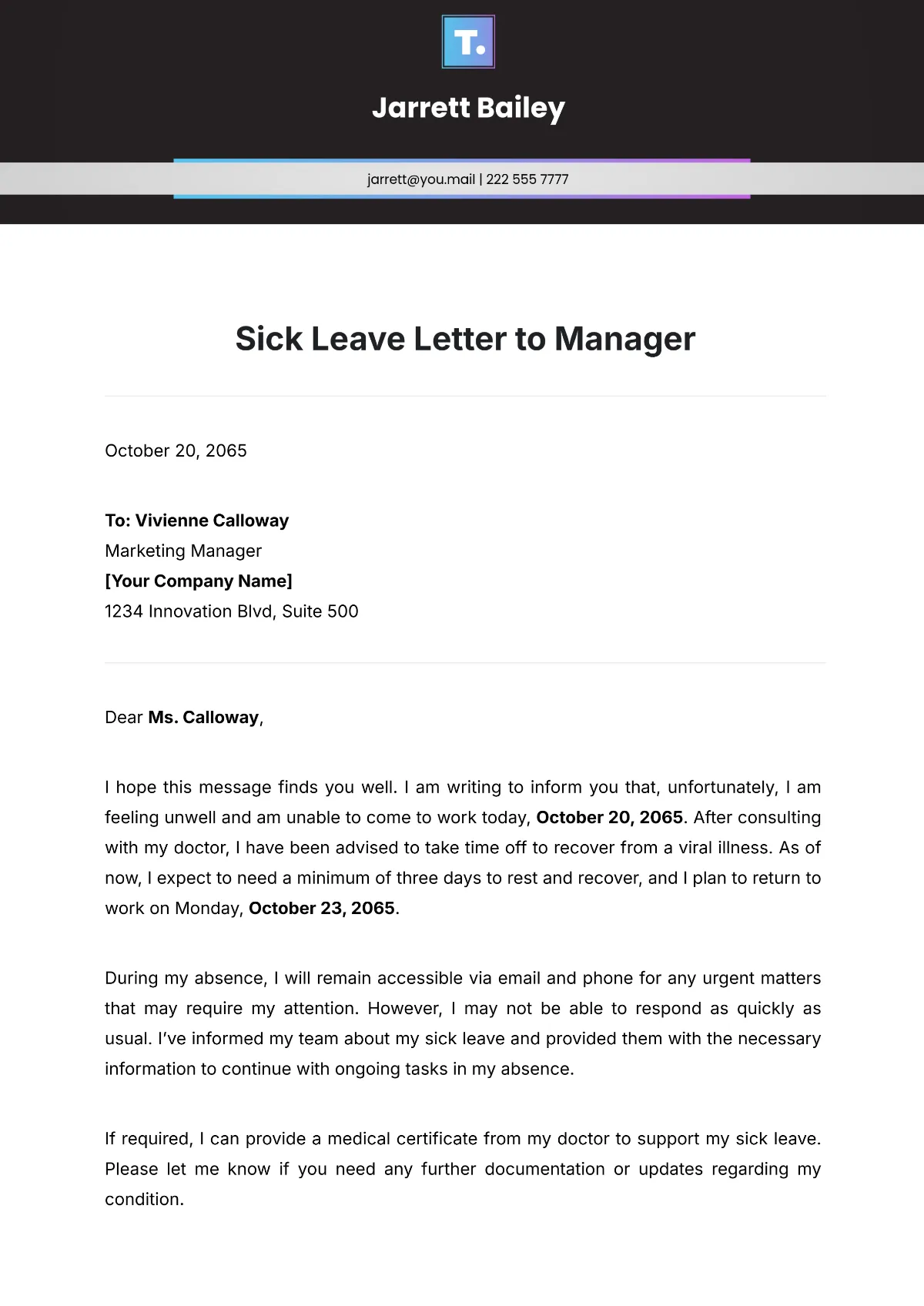
In India, single-day sick leaves are often treated with suspicion, even for common illnesses like fever or migraines. This cultural backdrop sets the stage for a recent incident that has sparked significant discussion about workplace norms and employee rights. A corporate employee’s request for a day of sick leave after developing a fever was denied by his manager, who insisted that sick leave could only be granted if the employee was hospitalised for three days with proof. This rigid interpretation of sick leave policy raises questions about the balance between employee health and managerial control.
The manager’s stance was clear: “sick leave requires being hospitalised for three days with proof.” This statement not only reflects a lack of understanding of common illnesses but also highlights a broader issue within many workplaces where employees feel pressured to prove their health status before being granted time off. The employee, undeterred, later obtained a doctor’s certificate recommending two days of rest and applied for sick leave through the HR portal, which was subsequently approved. However, the manager refused to accept the HR-approved sick leave and demanded to see the prescription, further complicating the situation.
The incident quickly gained traction on social media, particularly on Reddit, where users reacted strongly to the manager’s behavior. One user encapsulated the sentiment by stating, “Choose health over donkeys. If sick leave is policy-backed and HR-approved, your manager has no business gatekeeping it.” This reaction underscores a growing frustration among employees who feel that their health is often secondary to managerial oversight and workplace policies.
Such incidents are not isolated. In a broader context, the treatment of sick leave in India reflects a systemic issue where employees are often hesitant to take time off for fear of being judged or penalized. This is particularly concerning given the current climate, where more than 2.4 billion workers globally are exposed to excessive heat, leading to over 22.85 million occupational injuries each year. In India alone, projections indicate that about 5.8% of working hours will be lost due to heat stress by 2030, up from 4.3% in 1995.
In 2023, extreme heat cost India an estimated 181 billion potential labour hours, translating into income losses of about Rs 13 lakh crore (approximately $141 billion). This economic impact highlights the urgent need for companies to reassess their sick leave policies, especially in light of environmental factors that can affect employee health. As temperatures rise, the importance of allowing employees to take necessary sick leave becomes even more critical.
Meanwhile, in Spain, the conversation around sick leave has also intensified. The country recorded 53.7 temporary disability cases per 1,000 workers in 2025, prompting public debate on how sick leave is verified, monitored, and limited to medical need. Longer wait times for diagnostics, rehabilitation, or specialist visits can extend leave durations, complicating the issue further. As different countries grapple with their sick leave policies, the need for a more compassionate and understanding approach to employee health is becoming increasingly evident.
As this conversation continues, observers and officials are calling for a reevaluation of sick leave policies to better support employee health and well-being. The hope is that workplaces will evolve to create environments where employees feel safe and supported in taking the time they need to recover without fear of repercussions. The recent incident serves as a reminder of the ongoing struggle many face when it comes to balancing health and work responsibilities, and the need for systemic change in how sick leave is perceived and managed.