



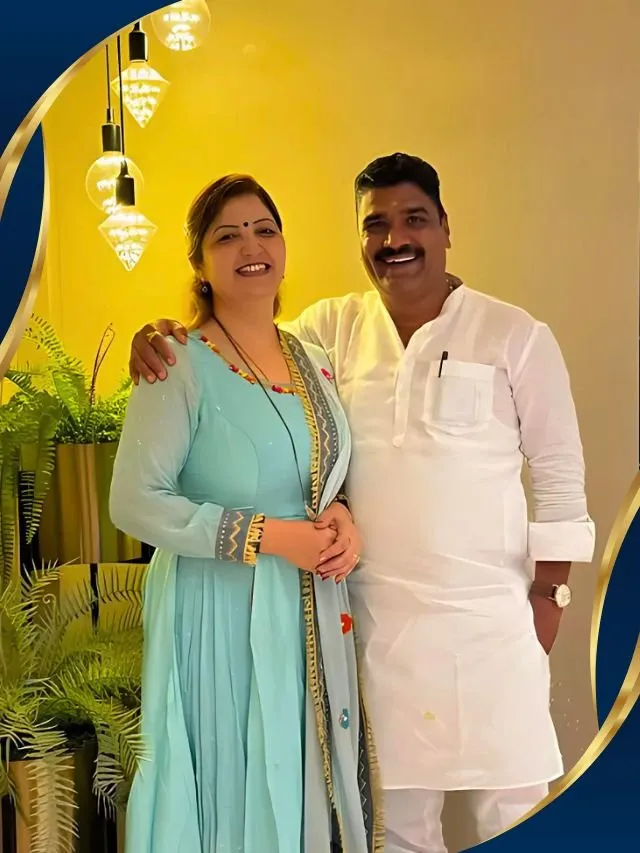
Who is involved
In the political landscape of Maharashtra, expectations were once centered around stability and progress, particularly under the leadership of Chief Minister Devendra Fadnavis. The Maharashtra State Women’s Commission, where Rupali Chakankar served as a prominent member, was seen as a beacon for women’s rights and empowerment. However, recent events have dramatically shifted this narrative, revealing a darker underbelly of political patronage and alleged misconduct.
The decisive moment came in mid-March 2026 when a shocking video of Ashok Kharat, a local political figure, went viral. In the video, Kharat was seen urinating into a glass and offering it to a woman, an act that not only sparked outrage but also led to his arrest on charges of rape, molestation, and cheating. This incident prompted a Special Investigation Team (SIT) to be constituted on March 13, 2026, to delve deeper into the allegations against him, which included over a hundred recorded instances of alleged assaults submitted by a former employee, Neeraj Jadhav.
As the investigation unfolded, it became clear that the ramifications extended beyond Kharat himself. Rupali Chakankar, who had been listed as a trustee of Kharat’s charitable trust, Shivanika, resigned from her position on the Maharashtra State Women’s Commission on March 20, 2026. Her resignation was seen as a necessary step in light of the scandal, reflecting the pressure on political figures to distance themselves from Kharat amidst the growing public outcry.
The fallout from the viral video has been significant. Chief Minister Fadnavis confirmed that eight cases had been registered against Kharat, indicating a systemic issue that had been allowed to fester for years. Kharat had operated in Nashik for nearly two decades, benefiting from political connections that spanned party lines. This has raised questions about the accountability of those in power and their complicity in enabling such behavior.
Experts have weighed in on the situation, emphasizing the need for a thorough investigation. The Maharashtra Prevention and Eradication of Human Sacrifice and other Inhuman, Evil and Aghori Practices and Black Magic Act, under which Kharat’s case is charged, highlights the serious nature of the allegations. Political analyst Harshwardhan Sapkal has called for the dismissal of officials who may have aided Kharat, stating, “Jaykumar Rawal should be sacked by Chief Minister Fadnavis for helping a fraud.” This sentiment reflects a growing demand for accountability within the political framework.
Furthermore, the investigation has unveiled connections that complicate the narrative. Kharat’s daughter reportedly holds a partnership in a company with the wife of Deputy Collector Abhijit Bhande Patil, raising concerns about potential conflicts of interest and the intertwining of personal and political relationships. As the SIT probes into land deals and corporate ties, the implications of this case could extend far beyond Kharat himself.
As the public and political figures react to this unfolding drama, the words of Raj Thackeray resonate: “I am hearing that to clip the wings of someone’s ambition, this matter will be used.” This statement underscores the potential for political maneuvering amidst a scandal that has already claimed its first casualty in Chakankar’s resignation.
In a climate where women’s rights and safety are paramount, the Rupali Chakankar viral video serves as a stark reminder of the challenges that persist. With three women stepping forward to lodge formal complaints against Kharat, the case may become a pivotal moment for change in Maharashtra’s political and social landscape. As investigations continue, the hope remains that justice will prevail and that the voices of those affected will be heard.