

The wider picture
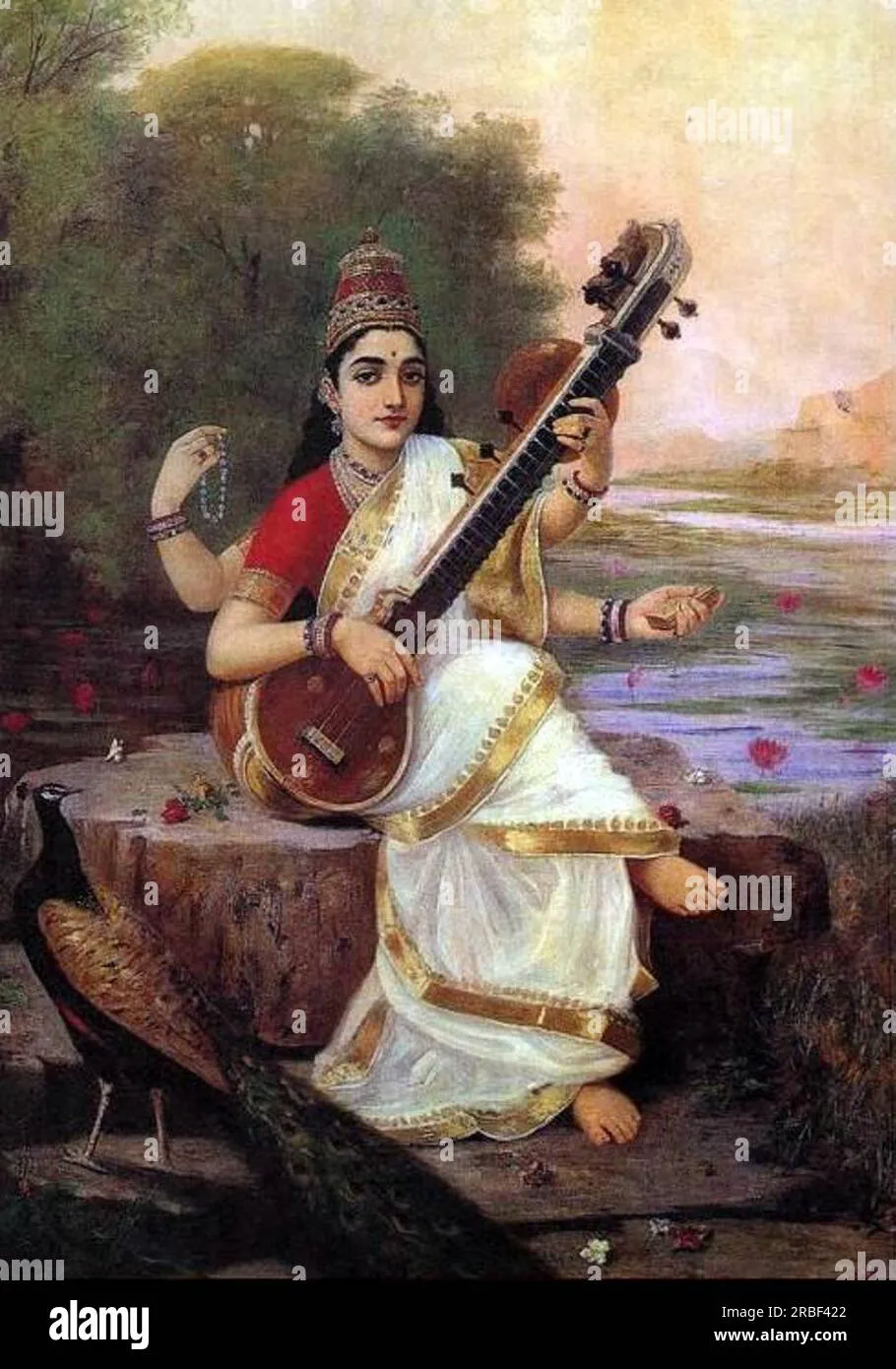
Raja Ravi Varma, born in 1848 in Kilimanoor, Kerala, is often hailed as the ‘Father of Modern Indian Art’. His works have transcended time, capturing the essence of Indian mythology and culture. Recently, his painting Yashoda and Krishna, created in the 1890s, has made headlines by selling for an astonishing ₹167.2 crore at Saffronart’s Spring Live Auction on April 1, 2026. This sale not only sets a new record for Indian art but also underscores the growing appreciation for Varma’s contributions to the art world.
The painting, which depicts a tender moment between the infant Krishna and his mother Yashoda, was initially estimated to fetch between ₹80–120 crore. Its final sale price exceeded expectations, highlighting the increasing value placed on Indian art in the global market. The previous record was held by M.F. Husain’s Untitled (Gram Yatra), which sold for over ₹118 crore.
Cyrus S Poonawalla, the buyer of this iconic piece, expressed his deep appreciation for the acquisition, stating, “I am privileged to have the opportunity to acquire, preserve, and care for the iconic Raja Ravi Varma painting Yashoda and Krishna.” He further emphasized the importance of making such national treasures available for public viewing, indicating his commitment to sharing this artwork with a broader audience.
Minal Vazirani, co-founder of Saffronart, remarked on the significance of the sale, noting that it serves as a powerful reminder of the enduring cultural and emotional resonance of Indian art. “Great art has a way of reaffirming its timeless value… It is not just a milestone for the market, but a powerful reminder of the enduring cultural and emotional resonance of Indian art,” she stated. This sentiment reflects a growing recognition of the importance of preserving and celebrating Indian artistic heritage.
The painting itself is an oil on canvas that captures a moment of maternal love, embodying the rich narrative traditions of Indian mythology. Initially listed under the title Milching a Cow in a 1911 publication, Yashoda and Krishna has evolved into a symbol of the emotional depth and cultural significance that Varma’s works represent.
As the art world continues to evolve, the record-breaking sale of Yashoda and Krishna signals a new era for Indian art. Observers are keenly watching how this event will influence future auctions and the valuation of Indian artworks. The increased interest in Varma’s pieces may lead to a resurgence in the appreciation of other artists from the same era, further enriching the narrative of Indian art history.
In a personal note, Pooyam Thirunal Gouri Parvathi Bayi, a descendant of Raja Ravi Varma, expressed pride in her great-grandfather’s recognition, stating, “I am proud that my great-grandfather is getting the recognition he deserves.” This sentiment resonates with many who see the sale as not just a financial transaction but a celebration of cultural heritage.
As the dust settles on this landmark sale, the art community is left to ponder the implications of such a significant event. Will this lead to more artists being recognized and valued for their contributions? Only time will tell, but for now, the legacy of Raja Ravi Varma shines brighter than ever, reminding us of the profound impact art can have on society and culture.