




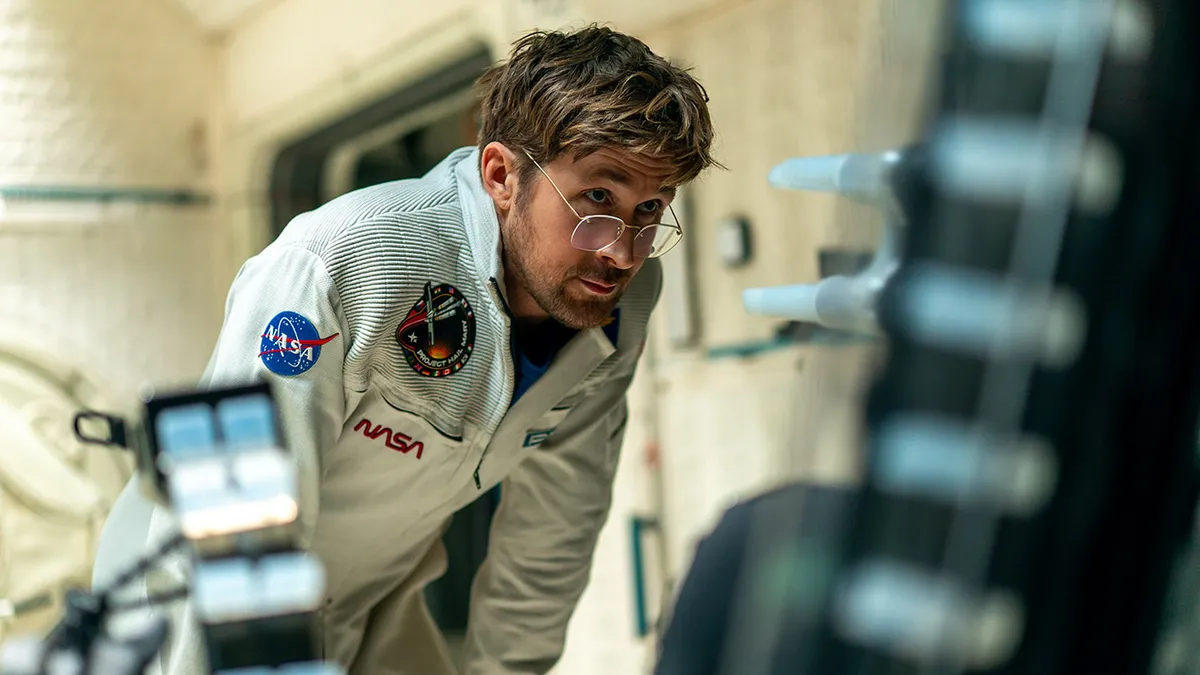
As the excitement builds around the film adaptation of Andy Weir’s 2021 novel, Project Hail Mary, audiences are eager to see how this ambitious story translates to the big screen. Directed by the dynamic duo of Phil Lord and Christopher Miller, the film has already made waves in the industry.
Released recently, Project Hail Mary stars Ryan Gosling as Ryland Grace and Sandra Hüller as Eva Stratt. The film’s opening weekend was a resounding success, surpassing $80 million domestically. This impressive figure highlights the strong interest in the narrative of space exploration and human resilience.
The adaptation has sparked significant online debate, particularly regarding its themes and characters. One standout character is Rocky, an alien who plays a crucial role in the story. This element has resonated with viewers, prompting discussions about the portrayal of extraterrestrial life in cinema.
Notably, the film’s marketing strategy included viral videos featuring Ryan Gosling, which helped to generate buzz and attract a wider audience. As Jordan Levin noted, “Anything that incites debate — especially if you have people who are evangelical about the property and certain talent or creators — is going to drive the algorithm.” This approach has proven effective in creating a strong word-of-mouth campaign.
The visual effects and practical sets have also drawn praise, with Chris Hadfield expressing his satisfaction: “I’m really pleased that they worked hard to make it as visually realistic and compelling as they could.” This attention to detail has elevated the film’s status among science fiction enthusiasts.
Moreover, the film’s score, composed by Daniel Pemberton, has been described as enhancing the emotional depth of the narrative. As one observer noted, “The music does what great film scoring always does at its best: it doesn’t underline the emotion, it adds one.” This artistic choice contributes to the overall impact of the film.
Interestingly, the release of Project Hail Mary has renewed interest in real-life space exploration, particularly as NASA prepares for its Artemis II mission, marking 50 years since the last moon mission. This connection to contemporary events adds a layer of relevance to the film’s themes.
As the film continues to perform well at the box office, it stands out as a unique entry in the cinematic landscape, not being part of an existing franchise. This originality has aided its marketing and allowed it to carve out its own identity.
In summary, Project Hail Mary is more than just a film; it is a cultural phenomenon that has sparked discussions about space, science, and the human experience. As audiences engage with its narrative, the film’s impact on both cinema and real-world space exploration is likely to be felt for some time.