


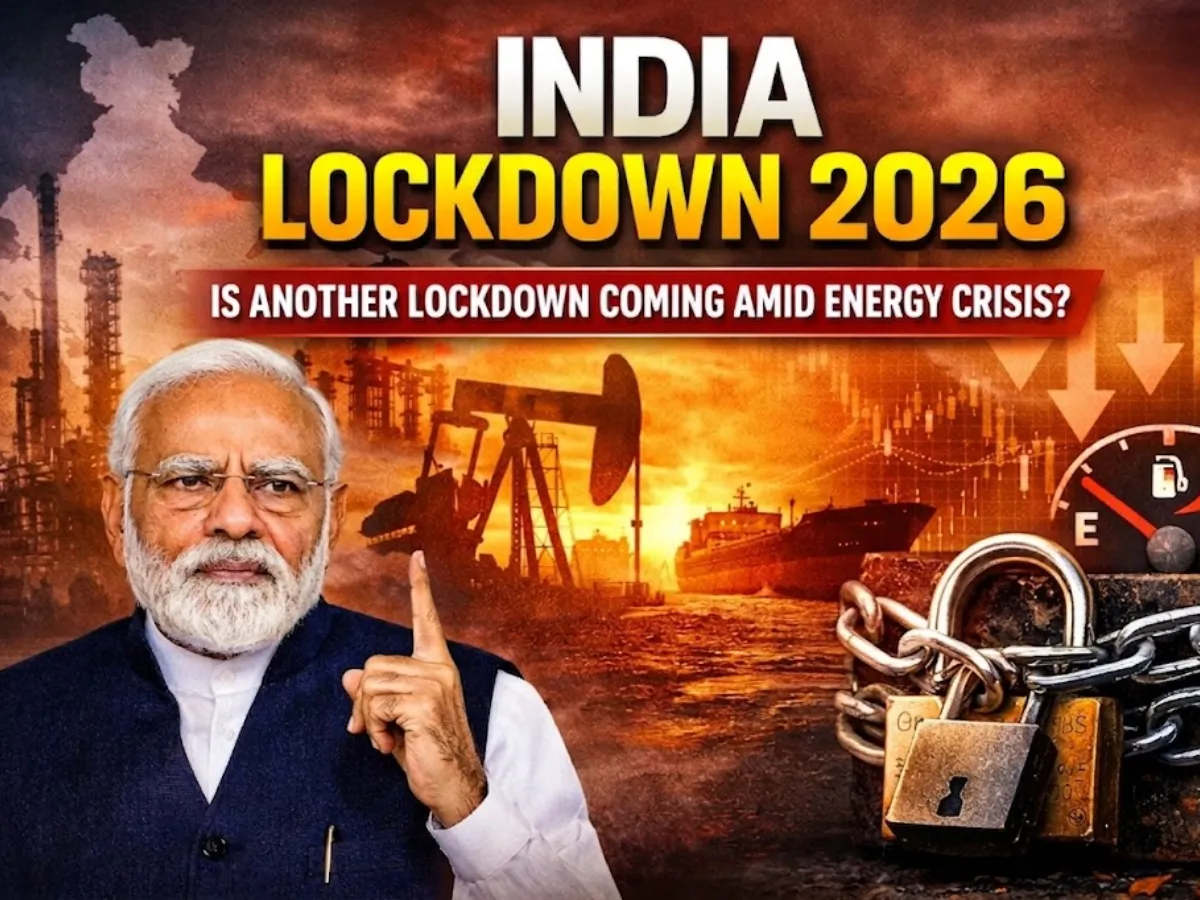
Before the recent comments made by Prime Minister Narendra Modi, the expectation surrounding lockdowns in India was largely shaped by the memories of the stringent measures taken during the COVID-19 pandemic. As the sixth anniversary of the initial lockdown approaches, many are reminded of the drastic changes that swept through the country during that time.
However, a decisive moment came when PM Modi spoke about the need for ‘COVID-like preparedness.’ This statement ignited speculation about a potential nationwide lockdown, despite the Indian government quickly denying any such plans. The current context is markedly different; it is characterized more by geopolitical and economic challenges than by a public health emergency.
In fact, the government has emphasized stability in supply chains and readiness to tackle any arising issues, rather than imposing restrictions. Public sector oil companies have reassured citizens that retail outlets are well-stocked, alleviating fears of shortages. Notably, India imports 60% of its crude oil through the Strait of Hormuz, a critical point of dependency that adds to the nation’s economic considerations.
Moreover, the Prime Minister urged citizens to rely on verified government sources for information, reinforcing the message that there is no official plan for a lockdown. As PM Modi stated, “We have to stay ready, we have to stay united,” highlighting the importance of preparedness in uncertain times.
Despite the government’s reassurances, the public sentiment regarding potential lockdowns remains unclear. Many citizens are still grappling with the memories of the past, leading to a mix of anxiety and skepticism. The government has also taken action against illegal practices, with reports of 2,000 illegally stored LPG cylinders seized in a single day, indicating a proactive approach to managing resources.
As the situation evolves, experts suggest that the effects of the current geopolitical and economic circumstances are expected to last a long time. The fluctuations in oil prices, ranging from $89 to $102 per barrel, further complicate the landscape, impacting both the economy and public sentiment.
Details remain unconfirmed, but the government’s focus on stability and readiness suggests a commitment to avoiding the drastic measures seen in the past. As India navigates these challenges, the balance between preparedness and public reassurance will be crucial in maintaining trust and stability.